



Understanding Cold Climate Challenges in Poultry Farming
Cold temperatures pose significant challenges for poultry farmers.
Poultry thrive in warmer conditions.
Farmers must provide adequate heating solutions.
Impact of Low Temperatures
Cold stress can lead to decreased egg production.
It also raises birds’ susceptibility to disease.
Therefore, farmers must address temperature-related stress promptly.
Challenges in Housing
Proper housing remains crucial in cold climates.
Insulation helps maintain a stable coop temperature.
However, farmers must balance insulation with ventilation to preserve air quality.
Nutritional Needs in Cold Weather
Poultry require higher energy diets during cold months.
Increased dietary energy supports thermoregulation and overall health.
Additionally, farmers should consider supplementing feed with fats.
Behavioral Adjustments
Birds often huddle together to conserve warmth.
Providing adequate space helps minimize stress among birds.
Farmers should monitor flock dynamics and behavior regularly.
Transform Your Agribusiness
Unlock your farm's potential with expert advice tailored to your needs. Get actionable steps that drive real results.
Get StartedHealth Risks in Cold Climates
Cold climates increase health risks for poultry.
Frostbite can affect combs and wattles without proper care.
Regular health checks can help mitigate potential outbreaks.
Selecting Cold-Hardy Poultry Breeds
Cold-hardy poultry breeds thrive in frigid conditions.
These breeds ensure consistent egg production during winter.
They require less heating in coops.
Understanding Cold-Hardy Breeds
They exhibit enhanced resilience to low temperatures.
Several breeds stand out for their cold-hardiness.
They can withstand harsh winters effectively.
Popular Cold-Hardy Breeds
Rhode Island Reds are known for their toughness.
They adapt well to a variety of environments.
These birds lay a good number of eggs.
Plymouth Rocks also make excellent choices.
They provide resilience combined with a friendly temperament.
Another option is the Buff Orpington.
This breed has a calm nature and is a prolific layer.
Its dense feathering offers excellent insulation against cold.
Evaluating Local Conditions
Before selecting your poultry, assess your local climate.
Research average winter temperatures and snowfall patterns.
Consider the specific challenges of your area.
Knowing the conditions your birds will face aids selection.
This knowledge helps you tailor choices to flock needs.
Considering Space and Shelter
Cold-hardy breeds still need proper shelter despite their resilience.
Ensure your coop is well-ventilated to prevent moisture buildup.
Showcase Your Farming Business
Publish your professional farming services profile on our blog for a one-time fee of $200 and reach a dedicated audience of farmers and agribusiness owners.
Publish Your ProfileProvide adequate space for movement and comfort.
Consider insulated coops to maintain stable temperatures.
Use bedding that offers warmth and maintains dryness.
Caring for Cold-Hardy Breeds
Proper care is essential for healthy poultry in winter.
Provide ample nutrition to boost their energy levels.
Maintain fresh water and ensure it does not freeze.
Conduct regular health checks to keep the flock in good condition.
Monitor birds for signs of frostbite or other illness.
Designing Winter-Proof Poultry Housing
This guide explains how to winter-proof poultry housing.
It outlines insulation, ventilation, heating, roofing, flooring, and enrichment practices.
Follow regular maintenance tips to keep systems effective.
Understanding Thermal Insulation
Effective thermal insulation is the foundation of winter-proof poultry housing.
It keeps the birds warm during freezing temperatures.
Use materials that provide excellent insulation.
Foam boards and insulated panels can be beneficial.
Creating Proper Ventilation
Ventilation is essential for maintaining air quality inside the coop.
Proper airflow prevents moisture buildup and harmful ammonia levels.
Install adjustable vents to control airflow during different weather conditions.
Ensure ventilation systems do not create drafts in the winter.
Utilizing Effective Heating Solutions
Heating solutions help maintain a comfortable temperature for the birds.
Consider using infrared heaters or heat lamps for localized warmth.
Ensure heating elements are safe and energy-efficient.
Thermostats can help regulate temperatures automatically.
Protecting Against Snow and Rain
Proper roofing prevents snow and rain from entering the coop.
Use sloped roofs to allow snow and water to run off easily.
Consider using durable materials to resist harsh weather.
Roof overhangs can also protect entrances from precipitation.
Implementing Robust Flooring Options
Flooring should provide comfort and insulation for the poultry.
Consider raising the floor above ground level to prevent cold air seepage.
Using straw or wood shavings can provide added insulation.
Ensure the flooring is easy to clean and maintain.
Ensuring Adequate Space and Enrichment
Provide enough space for poultry to move freely inside the coop.
This encourages natural behaviors and reduces stress levels.
Incorporate perches and nesting areas for comfort.
Adding entertainment elements can keep the birds engaged during long winters.
Regular Maintenance and Inspections
Conduct regular maintenance checks to ensure the housing remains effective.
Inspect insulation, heating, and ventilation systems frequently.
Address any issues promptly to maintain a safe environment.
Consistent upkeep ensures the wellbeing of your poultry.
Explore Further: Organic Livestock Farming for Beginners
Showcase Your Farming Business
Publish your professional farming services profile on our blog for a one-time fee of $200 and reach a dedicated audience of farmers and agribusiness owners.
Publish Your ProfileMaintaining Optimal Temperature and Humidity Levels
Humidity control is just as important as temperature management.
Regular monitoring of conditions is vital for success.
Seasonal changes require adjustments in management practices.
Understanding the Importance of Temperature
Temperature significantly affects poultry health and productivity.
Chickens thrive in specific temperature ranges.
Maintaining optimal temperatures reduces stress and illness.
Setting Up Heating Systems
Investing in reliable heating systems is essential.
Infrared heaters provide targeted warmth for poultry.
Brooders can also help maintain proper temperatures for chicks.
Implementing Insulation Strategies
Good insulation minimizes heat loss during cold months.
Insulating walls and roofs creates a stable environment.
Consider using foam boards or reflective materials for insulation.
Managing Humidity Levels
High humidity can lead to respiratory issues in poultry.
Install dehumidifiers to lower moisture levels when necessary.
Moreover, ventilation systems should circulate air effectively.
Utilizing Ventilation Properly
Good ventilation maintains air quality within the poultry house.
Use fans to ensure airflow and control humidity levels.
Consider exhaust fans that help remove stale air quickly.
Monitoring Temperature and Humidity
Use digital thermometers and hygrometers for accuracy.
Set alarms to alert you to significant temperature changes.
Document readings to track patterns over time.
Responding to Seasonal Changes
During winter, increase heating and check insulation levels.
In contrast, summer calls for increased ventilation strategies.
Adjust feeding schedules based on temperature fluctuations.
Educating Staff on Best Practices
Educating staff ensures they understand temperature and humidity management.
Regular training sessions can reinforce best practices.
Encourage staff to report any anomalies in conditions.
Explore Further: Key Environmental Factors That Impact Swine Performance
Nutrition and Feeding Strategies for Cold Weather
This section covers nutrition and feeding strategies for cold weather.
It explains adjustments to diets, water needs, and supplemental feeds.
Furthermore, it outlines monitoring, additives, and feeding environment considerations.
Adjusting Diet for Winter Months
Poultry require a different diet during cold weather.
Moreover, energy needs increase significantly in low temperatures.
Farmers should provide feed that is higher in energy content.
Additionally, incorporating more carbohydrates can help meet energy demands.
Consider adding fats to the feed for efficient energy sources.
Importance of Fresh Water
Access to fresh water is crucial in cold climates.
Waterers must be heated to prevent freezing.
This ensures that birds stay hydrated and healthy.
Additionally, check and refill water sources throughout the day.
Showcase Your Farming Business
Publish your professional farming services profile on our blog for a one-time fee of $200 and reach a dedicated audience of farmers and agribusiness owners.
Publish Your ProfileSupplemental Feeding Strategies
Also, provide supplemental feeds as needed.
High-protein supplements can support growth and egg production.
Consider using whole grains to encourage pecking behavior.
This activity keeps birds warm and engaged.
Monitoring Bird Health
Regularly monitor your flock’s health during winter.
Also, look for signs of stress or nutritional deficiencies.
Adjust feeding practices based on observations.
A veterinarian can assist with health assessments and diet recommendations.
Utilizing Additives
Additives can enhance nutrition and health in cold weather.
Additionally, consider probiotics to support gut health during stress.
Electrolytes can also help birds recover from cold stress.
Consult a nutritionist for recommendations on effective additives.
Creating a Comfortable Feeding Environment
Ensure feeding areas are sheltered from extreme conditions.
Moreover, windbreaks and insulated feeders can help maintain feed warmth.
A clean environment encourages better eating habits.
Regularly clean feeding equipment to prevent spoilage.
Delve into the Subject: Beekeeping Methods for Increasing Pollination Efficiency
Health Management: Preventing Cold-Related Illnesses
Maintaining poultry health in cold climates requires diligent management.
By recognizing cold stress and implementing proactive measures, farmers can ensure bird well-being.
These efforts contribute to successful and sustainable poultry production in challenging weather.
Understanding Cold Stress
Cold stress affects poultry adversely in harsh climates.
This condition arises when birds lose body heat faster than they can produce it.
As a result, they may suffer from reduced immunity and growth rates.
Recognizing the signs of cold stress is vital for effective management.
Signs of Cold Stress
Poultry experiencing cold stress may exhibit various symptoms.
Look for signs such as reduced activity and decreased feed intake.
Additionally, you may notice shivering or huddling behaviors.
These behaviors indicate the birds are trying to maintain their body temperature.
Creating a Warm Environment
Providing a warm environment is essential for cold climate farming.
Ensure that poultry housing is well-insulated to retain heat.
Moreover, use heat sources like heated mats and lamps, if necessary.
Proper ventilation is also crucial to prevent moisture buildup.
Feeding Strategies for Cold Weather
Adjust feeding strategies during cold months to support health.
Offer higher energy feeds that contain healthy fats.
Consider using supplemental vitamins to boost overall health.
Additionally, ensure fresh water is always available, even in freezing temperatures.
Monitoring Health Regularly
Regular health checks will help identify issues early.
Observe your birds frequently for any abnormal signs or behaviors.
Keep detailed records of health trends to identify any problems faster.
Consider involving a veterinarian for checkups during extreme cold periods.
Showcase Your Farming Business
Publish your professional farming services profile on our blog for a one-time fee of $200 and reach a dedicated audience of farmers and agribusiness owners.
Publish Your ProfileImportance of Biosecurity
Implementing strong biosecurity measures protects poultry health.
Limit access to poultry buildings to reduce disease risk.
Ensure all equipment and clothing are disinfected before entering the area.
Maintain a strict protocol for visitors and workers to follow.
Vaccination Against Cold-Related Diseases
Vaccination plays a significant role in maintaining poultry health.
Consult with a veterinarian to create an appropriate vaccination schedule.
Ensure that vaccines address cold-related diseases commonly found in your area.
Regular vaccinations help bolster the bird’s immune system during winter.
Uncover the Details: Integrating Mineral Supplements Into Sustainable Free-Range Chicken Feeding
Water Supply Challenges in Freezing Conditions
Cold weather presents unique challenges for poultry farmers.
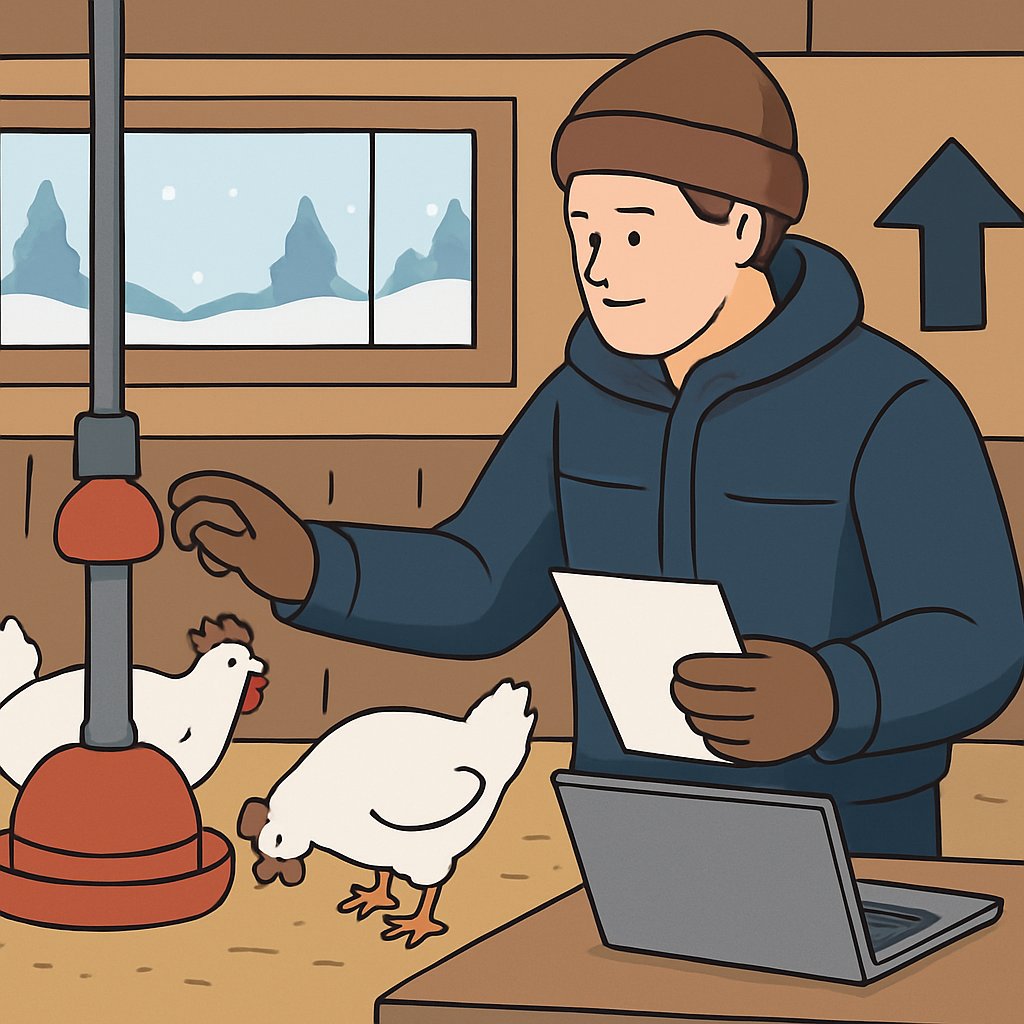
Common issues include frozen water lines, which cut off supply.
Farmers can use insulated water lines to combat freezing.
Impact of Cold Weather on Water Availability
Freezing temperatures can hinder water supply systems.
Birds require constant access to fresh water for optimal health.
Thus, maintaining water supply becomes crucial during winter months.
Common Issues with Water Supply Systems
Poultry drinkers can freeze, leaving birds without access.
Moreover, the risk of contamination increases in cold conditions.
Consequently, farmers must be vigilant about water quality.
Preventive Measures to Ensure Water Supply
Installing heated drinkers prevents freezing of water sources.
Using a consistent flow of water can also help reduce freezing.
Additionally, regular monitoring will ensure that supplies remain unaffected.
Emergency Strategies for Water Shortages
In cases of water shortages, farmers must act quickly.
Having backup water supplies is essential for emergencies.
Installing portable heaters can provide immediate relief.
Also, farmers should establish a contingency plan to deal with unexpected outages.
Best Practices for Winter Water Management
Good practices include daily inspections of water supply systems.
Keeping detailed records helps identify potential issues early.
Collaboration with local suppliers can ensure timely access to replacements.
Furthermore, educating staff on winter protocols is beneficial for all.
Best Practices for Managing Laying Hens in Winter
This guide covers best practices for managing laying hens in winter.
It emphasizes housing, nutrition, lighting, health, enrichment, and emergency planning.
Follow these steps to improve hen welfare during cold months.
Maintaining Adequate Housing
Provide hens with a well-insulated coop to shield them from cold winds.
Ensure there are no drafts that could cause discomfort or stress.
Also add bedding like straw or wood shavings to improve insulation.
Keep the coop clean and dry to prevent health issues during winter.
Ensuring Proper Nutrition
Adjust the diet to meet the increased energy needs of hens in winter.
Include high-quality protein sources like mealworms or soybeans.
Also provide access to fresh water at all times for hydration.
Consider adding electrolytes to the water for extra health support.
Showcase Your Farming Business
Publish your professional farming services profile on our blog for a one-time fee of $200 and reach a dedicated audience of farmers and agribusiness owners.
Publish Your ProfileLight Management
Increase light exposure to stimulate egg production during shorter days.
Use artificial lighting on a timer to maintain a consistent schedule.
Aim for around 14-16 hours of light each day for optimal laying activity.
Health Monitoring
Regularly check the health of each hen for signs of illness or distress.
Also observe behavior for drastic changes that could indicate problems.
Ensure vaccinations are up to date to prevent winter illnesses.
Provide supplements to boost the immune system during cold spells.
Behavioral Enrichment
Offer enrichment activities to keep hens active and engaged indoors.
Also introduce pecking blocks or hanging vegetables for exploration.
Consider providing scratch grains to allow foraging opportunities.
Rotate enrichment items frequently to maintain interest and activity.
Preparing for Extreme Weather
Monitor the weather forecast to prepare for harsh conditions.
Also make necessary adjustments like extra bedding or supplemental heat.
Ensure access to shelter to protect hens from heavy snow or freezing rain.
Prepare emergency plans for power outages or severe storms.
Implementing Biosecurity Measures in Cold Weather
This guide explains practical biosecurity measures for poultry farms.
During cold weather, farms should strengthen protocols without delay.
Follow the sections below for clear actions and responsibilities.
Overview of Biosecurity Measures
Biosecurity protects poultry from diseases and pests.
It involves implementing preventive measures across farm operations.
Especially during cold weather, strong measures help reduce transmission risks.
Establishing a Safe Environment
Keep poultry housing clean and dry at all times.
Regularly remove waste to limit pathogen buildup.
Sanitize equipment after each use to prevent contamination.
Install barriers to stop wild birds and pests accessing coops.
Monitoring and Controlling Access
Limit access to poultry areas to essential staff only.
Also, maintain a visitor registry to record nonfarm visitors.
Require visitors to don protective clothing before they enter.
Provide disinfectant footbaths at each entrance to reduce contamination.
Maintaining Animal Health
Inspect birds daily for any visible signs of illness.
Quickly isolate sick birds to prevent disease spread.
Contact a veterinarian to develop an appropriate vaccination schedule.
Provide balanced feed and clean water to support bird health.
Educating Farm Workers
Train workers regularly on updated biosecurity protocols.
Explain the importance of each role in maintaining flock safety.
Offer written resources and quick reference guidelines for urgent issues.
Encourage workers to report concerns and near misses immediately.
Utilizing Technology for Monitoring
Use cameras to observe bird behavior and movements remotely.
Also, install sensors to detect temperature and environmental anomalies.
Implement software systems to log health and feeding records.
Showcase Your Farming Business
Publish your professional farming services profile on our blog for a one-time fee of $200 and reach a dedicated audience of farmers and agribusiness owners.
Publish Your ProfileReview data routinely to spot trends and respond faster.
Planning for Emergencies
Create an emergency response plan that covers disease outbreaks.
Keep veterinarian contact details easy to access during crises.
Review and update biosecurity plans on a scheduled basis.
Conduct staff drills so teams practice their emergency roles.
Planning for Seasonal Variability in Egg Production
Seasonal variations significantly impact egg production levels.
Cold climates can reduce egg-laying rates during winter months.
Additionally, daylight hours directly affect hens’ reproductive cycles.
Understanding Seasonal Impacts
Daylight hours directly affect hens’ reproductive cycles and behavior.
Producers must adapt their management strategies to seasonal changes.
Adjusting Lighting for Better Production
Implementing artificial lighting can help maintain egg production.
Consider extending daylight hours for hens during shorter winter days.
Typically, providing 14-16 hours of light daily encourages laying.
Moreover, using programmable timers can ease the management task.
Managing Nutrition and Feed
Nutritional needs change with the seasons, influencing egg production.
Ensure that hens receive adequate protein and energy, especially in winter.
Using high-quality feed helps improve production and overall health.
Frequent adjustments to rations may be necessary during colder months.
Environmental Control and Comfort
Maintaining optimal housing conditions is crucial for productivity.
Insulating coops protects hens from extreme cold temperatures.
Implementing proper ventilation aids in reducing humidity levels.
Regularly monitoring conditions ensures hens remain comfortable.
Vaccination and Health Programs
A proactive health management program is essential in cold climates.
Vaccinating hens ensures they remain healthy during extreme weather.
Regular check-ups can preemptively identify potential illnesses.
Furthermore, providing a stress-free environment enhances resilience.
Emergency Plans for Extreme Weather
Prepare for unexpected severe weather events ahead of time.
Establish an emergency plan that includes feed and irrigation supplies.
Regularly reviewing and updating plans fosters preparedness.
This ensures continuity of production during adverse conditions.
Additional Resources
Google search results for Poultry Management for Cold Climate Farming Livestock Management
Bing search results for Poultry Management for Cold Climate Farming Livestock Management