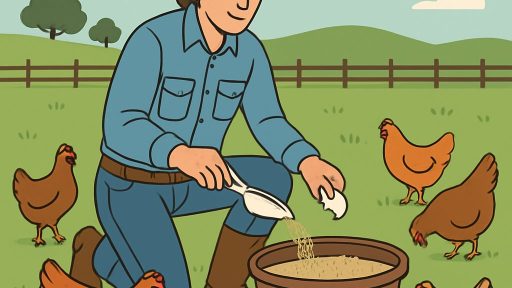




Foundations of Organic Livestock
Organic livestock production emphasizes natural processes and ecological balance.
Producers prioritize animal health and limit routine synthetic interventions.
Management replaces routine synthetic inputs in these systems.
Overview
This overview describes the guiding principles of organic livestock production.
It emphasizes natural processes and ecosystem balance.
Producers manage animals to reduce reliance on synthetic inputs.
Core Principles
Core principles place animal welfare at the center of decision making.
Farmers emphasize natural feeding and regular pasture access.
They prioritize preventive health and limit synthetic treatments.
Animal Welfare and Health
Producers provide comfortable housing and allow natural behaviors.
They prevent disease through careful management and improved nutrition.
When needed, they restrict synthetic options and use cautious treatments.
Feeds and Pasture
Feeding strategies focus on natural forage and organic feed.
Pasture management enhances animal nutrition and supports soil health.
Farmers apply rotational grazing to maintain forage quality and balance.
Transform Your Agribusiness
Unlock your farm's potential with expert advice tailored to your needs. Get actionable steps that drive real results.
Get StartedManagement Practices
Farmers keep detailed records to track animals and management actions.
They plan breeding, housing, and adjustments for seasonal changes.
Biosecurity and sanitation practices reduce disease risks across the farm.
Planning to Start
Assess land, available resources, and your long term goals first.
Then create a basic plan covering animals, housing, and feed.
Set realistic timelines for development and ongoing learning.
Key Considerations
Consider animal space, feeding, and social needs when planning operations.
Evaluate pasture and forage availability for nutrition and effective rotation.
Track costs and labor for organic practices and daily maintenance.
- Animal needs, including space, feed, and social requirements.
- Pasture and forage availability for nutrition and rotation.
- Record keeping and traceability for management and compliance.
- Costs and labor required for organic practices and maintenance.
Benefits of Organic Livestock Farming
This section highlights benefits beginners may find in organic livestock farming.
Primarily, the focus emphasizes practical and ethical advantages for new farmers.
It aims to help new farmers adopt practical practices.
Practical Advantages for New Farmers
Organic systems can provide clear frameworks for daily livestock care.
Additionally, beginners may find simpler decision pathways about feed and housing.
- Routines can help newcomers establish consistent animal care practices.
- Systems may encourage gradual learning through repeatable tasks and checks.
- Documentation practices can support organized record keeping from the start.
Environmental and Land Benefits
Organic livestock practices may encourage soil health and support biodiversity.
Moreover, they can integrate animals into broader land management plans.
Therefore, beginners can learn holistic approaches to managing pasture and forage.
Learning, Skills, and Community
Beginners can build practical husbandry skills through hands-on experience.
Additionally, organic farming may connect beginners with supportive local communities.
Furthermore, shared knowledge can accelerate learning without extensive prior experience.
Market and Consumer Connections
Organic labeling can help communicate farming practices to consumers.
Therefore, beginners may find clearer ways to explain their methods and values.
Consequently, transparent practices can support trust with customers and neighbors.
Getting Started Considerations
Start with manageable herd sizes to learn effectively.
Showcase Your Farming Business
Publish your professional farming services profile on our blog for a one-time fee of $200 and reach a dedicated audience of farmers and agribusiness owners.
Publish Your ProfileAlso, keep clear records to track animal health and practices.
Finally, seek gradual improvements to build confidence and capability over time.
Understanding Organic Certification and Regulations
This document explains organic certification and regulatory expectations.
It describes practical steps for livestock operators.
Also, the content clarifies recordkeeping and labeling requirements.
What Certification Means
Certification confirms that livestock practices meet defined organic standards.
An accredited body verifies compliance and grants formal approval.
Additionally, certification links practices to traceable documentation.
Key Requirement Areas
Certification typically covers several core areas.
Standards address animal care and feed sourcing.
Also, programs limit prohibited substances and mandate pasture access.
- Animal care and welfare must meet organic expectations.
- Feed and inputs must follow organic sourcing and handling rules.
- Prohibited substances and treatments remain restricted under certification.
- Pasture access and grazing practices often factor into standards.
- Accurate records support transparency and product traceability.
- Regular inspections verify ongoing compliance with requirements.
- Labeling and claims must follow prescribed wording and appearance rules.
Steps to Obtain Certification
Assess current practices against organic expectations.
Apply to a recognized certifying body or program.
Implement required changes and maintain clear documentation.
Undergo an inspection and respond promptly to findings.
Finally, obtain certification and meet standards each year.
Maintaining Compliance
Maintain organized records and update them regularly.
Also, conduct internal reviews to catch issues early.
Train staff on organic practices and documentation routines.
Therefore, address nonconformities promptly and with transparency.
Preparing for Inspections
Prepare designated records and make them accessible for review.
Ensure facilities reflect stated livestock care practices.
Have knowledgeable staff available to answer inspector questions.
Recordkeeping and Documentation
Keep logs of treatments, feed sources, and animal movements.
Store purchase invoices and receipts that support organic claims.
Maintain clear sales and transfer records for traceability.
Labeling and Making Claims
Use labels that accurately reflect certified status and attributes.
Avoid misleading phrases that could confuse buyers or regulators.
Verify label wording before printing or commercial use.
Common Challenges and Practical Tips
New operators often find paperwork demands surprising.
However, simple daily habits can reduce documentation burdens significantly.
Use consistent templates and checklists to streamline recordkeeping.
Also, schedule regular reviews to prevent compliance lapses.
Staying Informed
Stay in contact with your certifier for guidance and updates.
Additionally, review regulatory updates when they become available.
Network with peers to share practical compliance insights.
Explore Further: Key Environmental Factors That Impact Swine Performance
Selecting the Right Livestock for Organic Farming
This guide helps you choose livestock for organic farming.
It outlines key considerations for matching animals to farm resources.
Follow its steps when planning stock and management systems.
Showcase Your Farming Business
Publish your professional farming services profile on our blog for a one-time fee of $200 and reach a dedicated audience of farmers and agribusiness owners.
Publish Your ProfileClarify Your Farm Goals
Decide whether you will raise animals for household use or market sale.
Define the primary products you intend to produce.
Set realistic timelines for learning and expansion.
Assess Available Resources
Inventory your land, housing, labor, and financial capacity.
Evaluate water access and pasture quality throughout the year.
Note existing handling facilities and equipment availability.
- Land area and pasture productivity influence stocking decisions.
- Shelter and fencing determine animal protection and movement.
- Labor skills affect daily care and overall animal management.
- Financial buffers help absorb unforeseen health and feed costs.
Match Animal Types to Farm Conditions
Compare species and types to your climate and terrain.
Select animals that thrive on your available forage types.
Prioritize species that suit your intended production goals.
Health and Welfare Considerations
Prioritize animal health and natural resilience in selection.
Plan for routine prevention and monitoring measures.
Ensure you can provide timely veterinary and biosecurity care.
Space and Pasture Requirements
Calculate appropriate stocking rates based on pasture capacity.
Plan rotational grazing to maintain forage and soil health.
Design shelters that support natural behaviors and comfort.
Feed and Forage Needs
Assess your ability to supply organic-compliant feeds seasonally.
Diversify forage species to meet nutritional demands.
Prepare stored feed plans for periods of low growth.
Temperament and Manageability
Choose animals with calm temperaments for easier daily handling.
Consider social behavior and its effect on labor needs.
Favor types that match your management experience level.
Start Small and Scale Gradually
Begin with a small group to build practical skills and systems.
Monitor performance and adjust management accordingly.
Expand only after operations run smoothly and predictably.
Selection Checklist
Use this checklist to confirm readiness before adding animals.
Run through each point and address any missing capacity.
Review shelter, feed, and health plans before expanding stock.
- Clarify goals and intended products before choosing livestock.
- Match species to climate, terrain, and forage availability.
- Confirm you have shelter, fencing, and handling capacity.
- Ensure feed plans meet nutritional needs year round.
- Plan health care, monitoring, and emergency responses.
- Start small, evaluate results, and scale thoughtfully.
Explore Further: Beekeeping Methods for Increasing Pollination Efficiency
Feeding Practices for Organic Livestock
This section outlines feeding practices for organic livestock.
It emphasizes natural and minimally processed feeds.
Producers should match diets to life stage and production goals.
Core Principles of Organic Feeding
Feed animals primarily with natural and minimally processed feeds.
Additionally, maintain diets that support natural behaviors and grazing.
Furthermore, prioritize feed variety to promote balanced nutrition over time.
Moreover, adjust feeding to match life stage and production goals.
Pasture and Forage Management
Develop diverse pasture mixtures to provide varied nutrients for animals.
Next, rotate grazing areas to allow forage recovery and regrowth.
Additionally, match stocking density to pasture productivity and recovery rates.
Meanwhile, plan seasonal forage supplies to prevent sudden dietary shortages.
Furthermore, conserve excess forage as hay or other preserved feed for lean periods.
Showcase Your Farming Business
Publish your professional farming services profile on our blog for a one-time fee of $200 and reach a dedicated audience of farmers and agribusiness owners.
Publish Your ProfileTypes of Feed and Sourcing
Use fresh pasture as a primary feed when available and appropriate.
Also, include preserved forages such as hay and other conserved feeds.
Moreover, incorporate whole grains where dietary needs require additional energy.
Furthermore, source feeds from reliable suppliers to ensure consistency and quality.
Supplementation and Mineral Needs
Provide supplemental minerals when forage does not meet all nutritional needs.
Additionally, consider balanced supplements to address common deficiencies.
However, avoid unnecessary or unapproved additives in feed formulations.
Therefore, monitor animal responses and adjust supplements accordingly.
Feeding Young and Growing Animals
Introduce solid forage gradually when young animals begin to nibble plants.
Next, provide age-appropriate feeds to support healthy growth and development.
Additionally, ensure access to clean water during transitions to solid diets.
Furthermore, adjust feeding frequency and portions as animals mature.
Feeding Management and Scheduling
Establish consistent feeding times to reduce stress and encourage intake.
Also, separate animals by size or production stage when dietary needs differ.
Moreover, observe feeding behavior daily to catch intake issues early.
Consequently, adjust rations promptly when intake or condition changes occur.
Storage, Handling, and Feed Safety
Store feeds in clean, dry spaces to prevent spoilage and contamination.
Additionally, rotate stored feed using a first-in, first-out approach.
Furthermore, inspect stored feeds regularly for mold, pests, or odors.
Moreover, handle feed with clean equipment to maintain feed hygiene.
Monitoring Nutrition and Animal Health
Assess body condition regularly to gauge dietary adequacy.
Additionally, track weight trends and production indicators over time.
Moreover, adjust feeding programs when health or performance declines.
Furthermore, consult qualified animal health professionals for complex issues.
Practical Record Keeping for Feeding
Record feed types, quantities, and dates for each group.
Also, note pasture rotations and conserved forage use in records.
Furthermore, log observed animal condition and any dietary changes.
- Record feed types, quantities, and dates for each group.
- Also, note pasture rotations and conserved forage use.
- Furthermore, log observed animal condition and any dietary changes.
- Consequently, use records to refine feeding plans each season.
See Related Content: Integrating Mineral Supplements Into Sustainable Free-Range Chicken Feeding
Pest and Disease Management in Organic Systems
This section addresses pest and disease management in organic systems.
It emphasizes prevention and farm level practices.
Content focuses on practical biosecurity and monitoring steps.
Principles of Organic Pest and Disease Management
Organic systems prioritize prevention over reactive control.
They emphasize ecological balance to reduce pest pressure.
Managers address whole farm factors that influence animal health.
Biosecurity and Herd Health
Implement biosecurity measures to limit disease introduction.
For example, new animals require isolation before joining the herd.
Also limit unnecessary visitors and vehicle movements on the farm.
Isolate and care for sick animals to reduce transmission risk.
Key Preventive Actions
- Quarantine incoming animals until health checks complete.
- Maintain clean housing and regular sanitation routines.
- Rotate pastures to interrupt parasite lifecycles.
- Manage waste and remove pest habitats promptly.
Housing and Environmental Controls
Design shelters to minimize crowding and reduce stress.
Keep bedding dry and replace it as needed.
Showcase Your Farming Business
Publish your professional farming services profile on our blog for a one-time fee of $200 and reach a dedicated audience of farmers and agribusiness owners.
Publish Your ProfileEnsure ventilation controls humidity and supports respiratory health.
Meanwhile, reduce standing water and shelter areas for pests.
Monitoring and Early Detection
Conduct regular herd inspections to detect problems early.
Record behavior changes, appetite shifts, and visible signs promptly.
Use diagnostics as needed with professional advice.
Therefore, respond quickly to confirmed health issues to limit spread.
Non-Chemical and Natural Controls
Favor cultural and biological measures before resorting to chemicals.
Encourage beneficial organisms that help control pests naturally.
Apply physical methods such as barriers and targeted removal.
Furthermore, tailor cultural practices to local farm conditions.
Allowed Treatments and Working with Veterinarians
Use treatments that comply with applicable organic standards.
Discuss treatment plans openly with a qualified veterinarian.
Document treatments, reasons, and any required reporting promptly.
Additionally, plan for alternative management when standard options restrict treatments.
Record Keeping and Continuous Improvement
Maintain detailed health records and management actions.
Analyze records periodically to find trends and weak points.
Update prevention plans based on observed results and team feedback.
Finally, engage staff in routine training to sustain good practices.
Delve into the Subject: Livestock Health Management for Profitable Market Readiness
Sustainable Farming Practices and Their Impact
This content examines on-farm techniques and their environmental effects.
It also addresses social and economic outcomes for farm communities.
Finally, the material covers monitoring and practical steps for beginners.
On-Farm Techniques
Farmers implement several practical techniques to support sustainability.
These methods support resource efficiency and resilience on farms.
They balance animal needs with environmental stewardship through management.
- Rotate grazing areas to avoid overuse of any pasture.
- Manage soil through plant cover and reduced disturbance.
- Recycle organic matter to maintain nutrient cycles on site.
- Conserve water by optimizing delivery and reducing waste.
- Create habitat to support beneficial wildlife and biodiversity.
- Improve energy efficiency in farm operations and equipment usage.
Environmental Impacts
These practices reduce pressure on soil and water resources.
Consequently, they help maintain biodiversity across farm landscapes.
Moreover, they support cleaner air and healthier ecosystems overall.
Social and Economic Effects
Sustainable practices often enhance farm resilience to change.
Additionally, they can strengthen community connections around shared resources.
Furthermore, they support long-term viability without relying on intensive inputs.
Monitoring and Adaptive Management
Farmers should monitor indicators to guide management decisions.
For example, observe pasture condition and animal performance regularly.
Then adjust practices based on observations and changing conditions.
Practical Steps for Beginners
Start with small changes to test what works on your land.
Next, document observations to track progress and inform adjustments.
Finally, build practices gradually as you gain confidence and experience.
Exploring Market Potential
Organic livestock products can open diverse revenue streams for new farmers.
Furthermore, several consumer segments seek organic animal products for various reasons.
Therefore, understanding opportunities helps shape product and sales choices.
Showcase Your Farming Business
Publish your professional farming services profile on our blog for a one-time fee of $200 and reach a dedicated audience of farmers and agribusiness owners.
Publish Your ProfileIdentifying Product Categories
Primary categories include meat, dairy, and eggs.
Additionally, producers can explore processed or preserved animal products.
- Meat products can cover fresh and portioned cuts.
- Dairy offerings can include raw or minimally processed items.
- Eggs can target specialty sizes and handling preferences.
- Value-added items can include charcuterie, cheeses, and preserved goods.
Sales Channels and Distribution
Direct sales allow producers to retain margins and control the customer experience.
Meanwhile, farmers markets foster local visibility and immediate feedback.
Additionally, farm shops and CSA programs can provide steady income streams.
Moreover, wholesale and restaurant accounts can move larger volumes regularly.
Also, online sales support broader reach and customer convenience.
Value-Added Products and Differentiation
Processing products can capture added value beyond raw commodity sales.
Furthermore, unique flavors and artisan techniques can create market distinction.
Additionally, transparent storytelling about farming practices can resonate with buyers.
Moreover, packaging and branding can reflect quality and command premiums.
Pricing and Profit Considerations
Set prices that cover production costs and provide a reasonable return.
However, remain competitive within the local market context.
Therefore, track input costs and adjust pricing as conditions change.
Additionally, explore tiered pricing or subscription options to stabilize revenue.
Market Entry and Scaling Strategies
Start with pilot offerings to test product fit and customer demand.
Next, gather feedback and refine products based on customer responses.
Also, build relationships with buyers to secure recurring orders and trust.
Furthermore, plan incremental scaling to match capacity and market growth.
Actionable Next Steps
Conduct simple market research to understand local demand and preferences.
Then, test one channel before expanding into others.
Finally, monitor sales and adapt products to maintain market relevance.
Starting Small: Tips for Beginner Organic Farmers
Start small to keep tasks manageable.
Plan initial steps to avoid unnecessary risk.
Build routines before you expand operations.
Planning Your Start
First, assess your available space and time realistically.
Next, define short-term goals that feel achievable.
Additionally, create a simple budget for initial expenses.
However, avoid overcommitting resources at the outset.
Start with a Pilot System
Begin with a small, manageable number of animals to test systems.
Then, run a short trial period to evaluate daily workflows.
Furthermore, observe results closely and adapt practices as needed.
Infrastructure and Equipment
Prioritize basic shelter and secure containment for animal safety.
Meanwhile, choose durable, multipurpose items to reduce replacements.
Additionally, keep setups simple to minimize maintenance demands.
Daily Management Habits
Establish consistent routines that support animal welfare every day.
Also, record brief daily observations to spot issues early.
Consequently, address small problems before they escalate.
- Practice regular observation to learn individual animal behavior.
- Maintain cleanliness to support overall herd or flock health.
- Keep concise written notes to track changes over time.
Record Keeping and Small-Scale Finance
Keep clear, concise records from the very beginning.
Furthermore, track basic expenses and revenues simply and regularly.
Showcase Your Farming Business
Publish your professional farming services profile on our blog for a one-time fee of $200 and reach a dedicated audience of farmers and agribusiness owners.
Publish Your ProfileAlso, review records periodically to guide small adjustments.
Scaling Gradually
Scale operations only after routines show consistent, stable results.
Additionally, expand one element at a time to limit exposure.
Moreover, reinvest small surpluses into gradual improvements.
Support and Learning
Seek mentorship and peer advice to shorten the learning curve.
Also, join community groups to exchange practical, experience-based tips.
Finally, commit to ongoing learning to refine practices incrementally.
Community and Resources for Organic Livestock
Local peers provide practical advice and moral support.
Online hubs offer guidance, discussion, and shared experiences.
Practical services reduce day-to-day challenges for producers.
Finding Local and Peer Support
Therefore seek neighbors and nearby producers with organic experience.
Additionally meet other producers through informal farm visits and meetups.
Networking strengthens local support and knowledge exchange.
Online Learning and Information Hubs
Furthermore explore forums, webinars, and articles to build knowledge.
Stay informed about community activities and learning opportunities.
Furthermore contribute your experiences to help others in the community.
Types of Useful Resources
- Mentorship programs connect new producers with experienced mentors.
- Workshops teach hands-on techniques and practical skills.
- Resource libraries collect guides, templates, and reference materials.
Practical Support Services and Networking
Cooperative networks enable shared buying and equipment access.
Therefore seek services that support animal care and infrastructure needs.
Additionally attend events and volunteer to build valuable connections.
Additional Resources
Google search results for Organic Livestock Farming for Beginners Livestock Management
Bing search results for Organic Livestock Farming for Beginners Livestock Management