




Introduction to Livestock Health Management and Its Importance for Profitability
Livestock health management encompasses all practices that maintain animal well-being.
It involves monitoring, preventing, and treating diseases in farm animals.
Proper care ensures livestock grow strong and remain productive throughout their lifecycle.
Fundamentals of Livestock Health Management
Farmers like Daniel Moreno apply consistent health checks to secure their herd’s vitality.
Additionally, health management supports animals’ immune systems against common infections.
Without effective management, disease outbreaks can spread rapidly and harm entire herds.
Connection Between Animal Health and Profitability
Healthy livestock produce higher yields in milk, meat, and wool.
Therefore, maintaining animal health directly increases farm profitability.
Margaret Hill, a dairy producer, attributes her business growth to vigilant animal care.
Moreover, healthy animals have improved feed conversion rates and growth speeds.
Consequently, farmers reduce costs related to veterinary treatments and losses.
Well-managed livestock also fetch better prices in competitive market environments.
Key Components in Effective Livestock Health Management
Nutrition is fundamental for supporting animals’ immune function and growth.
Vaccinations prevent contagious diseases and enhance herd resistance.
Sanitation practices reduce contamination risks and promote healthier living spaces.
Transform Your Agribusiness
Unlock your farm's potential with expert advice tailored to your needs. Get actionable steps that drive real results.
Get StartedRegular observation helps detect early signs of illness for timely interventions.
Collaboration with veterinarians ensures expert guidance and treatment plans.
- Balanced feeding strategies tailored to species and growth stages
- Scheduled immunization programs following regional health guidelines
- Cleaning and disinfecting pens, water sources, and equipment
- Daily behavioral and physical assessments by trained farm workers
- Routine veterinary visits and record-keeping for ongoing health tracking
Long-Term Benefits of Prioritizing Livestock Health
Investments in animal health build sustainable farm operations over time.
Farmers like Jasmine Caldwell enjoy consistent market readiness due to sound management.
Improved animal welfare also meets rising consumer expectations for ethical products.
Furthermore, healthy livestock contribute to environmental balance through efficient resource use.
Ultimately, prioritizing health reduces stress on farmers and enhances industry resilience.
Understanding Common Health Issues in Livestock: Identification and Prevention
Livestock face a range of common illnesses that affect their productivity and well-being.
Farmers like Michael Anderson often observe symptoms early to prevent disease spread.
Recognizing behavioral changes is crucial for timely intervention.
Recognizing Key Health Concerns in Livestock
Respiratory infections frequently occur in crowded or poorly ventilated barns.
Additionally, digestive disorders such as bloat and diarrhea can rapidly weaken animals.
Parasite infestations also remain a persistent threat in grazing environments.
For instance, decreased appetite and lethargy often indicate underlying health problems.
Furthermore, physical signs like swollen joints or abnormal discharges provide important clues.
Strategies to Prevent Health Issues Effectively
Prevention begins with maintaining clean and hygienic living conditions for livestock.
Jackson Farm Supplies recommends regular cleaning of animal shelters to reduce pathogen buildup.
Also, providing balanced nutrition strengthens the animals’ immune systems.
Vaccination programs designed by veterinary experts like Dr. Sophia Martinez play a vital role.
These programs safeguard livestock against common viral and bacterial infections.
Rotational grazing helps control parasite loads by interrupting their life cycles.
Moreover, quarantining new or sick animals limits the spread of contagious diseases.
Farmers should schedule frequent health checks with veterinarians for early detection.
Implementing Proper Monitoring and Record-Keeping
Effective health management relies on accurate record-keeping of each animal’s condition.
Showcase Your Farming Business
Publish your professional farming services profile on our blog for a one-time fee of $200 and reach a dedicated audience of farmers and agribusiness owners.
Publish Your ProfileLivestock manager Emma Reynolds emphasizes tracking vaccination dates and treatment history.
Such records help identify recurring issues and measure the success of prevention methods.
Digital tools now allow farms like Green Valley Ranch to monitor health trends efficiently.
Consistent observation and documentation ensure faster responses to emerging problems.
Common Diseases and Their Early Signs
Foot rot causes lameness and swelling in hooves, often after wet conditions.
Johanna’s Dairy Farm educates workers to spot early limping or foul odors promptly.
Mastitis affects the udder, indicated by redness, heat, and reduced milk yield.
Identifying these signs early minimizes treatment time and losses.
Other diseases include parasitic worms, causing weight loss and anemia.
Regular fecal tests help detect and treat worm infestations before serious damage occurs.
Collaborating with Veterinary Professionals
Partnering with experienced veterinarians ensures expert guidance in health management.
Dr. Rafael Ortega advises customized plans based on the specific livestock and environment.
Routine visits support vaccination schedules and health assessments.
Veterinarians also assist in diagnosing complex symptoms and prescribing appropriate treatments.
This collaboration enhances animal welfare and overall farm profitability.
Nutrition and Its Direct Impact on Livestock Health and Market Readiness
This section examines how nutrition affects animal health and market readiness.
It highlights links between diet, immunity, growth, and product quality.
Understanding these links helps align feeding strategies with market demands.
Fundamentals of Livestock Nutrition
Balanced diets supply essential nutrients for growth and vitality.
Macronutrients such as proteins, carbohydrates, and fats support muscle development and energy.
Additionally, micronutrients including vitamins and minerals strengthen immune function and overall health.
Moreover, animals require adequate water for digestion and metabolic processes.
Effects of Nutrition on Livestock Health
Proper nutrition strengthens animals’ immune systems and increases disease resistance.
Well nourished animals recover faster from illness and stressful conditions.
Conversely, poor diets cause malnutrition and weaken immunity.
Consequently, undernourished livestock show lower productivity and increased mortality rates.
Nutrition also improves reproductive performance and enhances offspring viability.
Nutrition Strategies for Market Readiness
Targeted feeding programs optimize growth rates and body condition for market demands.
Farmers adjust nutrient supply based on an animal’s developmental stage and breed.
Supplementing feeds with energy dense sources helps animals reach weight targets efficiently.
Balanced nutrients reduce excess fat and promote lean muscle for higher market value.
Additionally, feeding schedules that lower stress improve meat quality and animal welfare.
Innovations in Livestock Nutrition
Precision feeding technologies increasingly tailor diets to individual animals.
Computerized systems monitor intake and dynamically adjust nutrient supply for optimal health.
Probiotics and prebiotics support gut health and enhance nutrient absorption.
Sustainable ingredients, such as insect meal, contribute to environmental goals.
These innovations enhance animal performance and support better product quality.
Uncover the Details: Beekeeping Guidelines for Controlling Varroa Mite Infestation
Vaccination Protocols
This section explains vaccination protocols for livestock.
It covers core vaccines, schedules, and storage practices.
Showcase Your Farming Business
Publish your professional farming services profile on our blog for a one-time fee of $200 and reach a dedicated audience of farmers and agribusiness owners.
Publish Your ProfileFarmers and veterinarians can use these guidelines.
Importance of Vaccination in Livestock Health
Vaccination plays a crucial role in preventing infectious diseases in livestock.
It also helps maintain a strong immune system among animals.
Proper vaccination protocols significantly reduce disease outbreaks on farms.
Consequently, farmers can achieve better animal welfare and higher productivity.
Core Vaccines to Consider for Different Livestock
Cattle require vaccines against common diseases such as the bovine respiratory disease complex.
Additionally, vaccines for clostridial diseases provide important protection for cattle.
Sheep benefit from vaccination against clostridial infections and footrot.
Pigs need vaccines against porcine reproductive and respiratory syndrome virus.
Equine vaccination often includes protection against tetanus and equine influenza.
Developing a Vaccination Schedule
Create a vaccination schedule tailored to each livestock species and farm conditions.
Consult veterinary experts like Dr. Melissa Hargrave for individual farm advice.
Administer vaccines early to build immunity before animals face disease exposure.
Plan booster doses accordingly to maintain effective immunity over time.
Recommended Vaccines for Optimal Market Readiness
Provide vaccines that target economically significant diseases impacting market value.
Include vaccines for respiratory diseases to reduce treatment costs and losses.
Clostridial vaccines protect against fatal diseases and improve survival rates.
Vaccinate against enteric diseases to support healthy growth and feed efficiency.
Implement herd immunity by vaccinating all susceptible animals promptly.
Managing Vaccine Storage and Administration
Store vaccines according to manufacturer instructions to preserve their effectiveness.
Use proper syringes and needles and ensure hygiene during administration.
Train farmworkers in accurate and safe vaccination techniques.
Record each vaccination event for future reference and compliance audits.
Working with Veterinary Professionals
Involve veterinarians such as Dr. Nathaniel Ward in planning vaccination programs.
Seek veterinary guidance for choosing appropriate vaccines and schedules.
Schedule regular veterinary visits to monitor vaccine efficacy and animal health.
Veterinarians can assist in updating protocols based on emerging disease threats.
See Related Content: Nutritional Requirements for Different Swine Growth Stages
Biosecurity Measures: Protecting Livestock from Disease Outbreaks
Biosecurity safeguards animals from infectious diseases that threaten herd health.
Moreover, it enhances profitability by reducing disease-related losses.
Farmers who implement biosecurity experience fewer health emergencies.
Thus, maintaining biosecurity is crucial for market readiness and sustainability.
Farm Access Control
Restricting farm access limits disease introduction from outside sources.
Additionally, visitors and workers must follow strict entry protocols.
Install disinfectant footbaths at entrances to prevent pathogen spread.
Furthermore, provide dedicated clothing to reduce contamination risks.
Quarantine and Isolation Practices
New or sick animals require quarantine to avoid spreading illnesses.
Isolation areas must stay physically separated from healthy livestock.
Farm manager Lucas Henderson ensures all introduced animals undergo a two-week quarantine.
This method effectively minimizes transmission risks within the herd.
Showcase Your Farming Business
Publish your professional farming services profile on our blog for a one-time fee of $200 and reach a dedicated audience of farmers and agribusiness owners.
Publish Your ProfileSanitation and Cleaning Procedures
Regular cleaning of barns and equipment removes harmful bacteria and viruses.
Use approved disinfectants to ensure thorough pathogen elimination.
Moreover, hose-downs and routine waste management maintain a hygienic environment.
Charles Grove, a livestock health specialist, recommends daily sanitation schedules.
Managing Feed and Water Safety
Contaminated feed and water can act as disease vectors.
Store feed in secure, dry areas to prevent spoilage and pest infestation.
Regularly clean water troughs and ensure fresh water availability.
Efficient feed and water management supports overall immunity in livestock.
Monitoring and Reporting Health Status
Routine health checks detect early signs of disease outbreaks.
Maintain records to allow trend analysis and swift intervention.
Veterinarian Dr. Marissa Trent advises prompt reporting of unusual symptoms.
Timely action helps contain diseases and protect the herd.
Employee Training and Awareness
Educating farm staff on biosecurity protocols promotes consistent practices.
Training sessions improve understanding of how diseases transmit.
Farm supervisor Emilia Porter organizes monthly workshops for her team.
Continuous education reinforces biosecurity importance and practical steps.
Collaboration with Veterinary Professionals
Working closely with veterinarians strengthens disease prevention strategies.
Regular veterinary visits support vaccination and treatment plans.
Dr. Samuel Kim provides tailored biosecurity advice for regional challenges.
This partnership optimizes livestock health and market readiness.
Key Biosecurity Components
The following components outline essential farm biosecurity practices.
Each component supports disease prevention and herd readiness for markets.
These elements guide daily operations and emergency responses.
- Controlled farm access and visitor protocols
- Effective quarantine and isolation zones for animals
- Consistent cleaning and disinfection routines
- Safe handling and storage of feed and water
- Regular health monitoring and prompt reporting
- Ongoing employee education and training
- Collaboration with veterinary experts
Implementing these measures protects livestock from costly disease outbreaks.
Consequently, farms maintain healthy herds prepared for profitable markets.
See Related Content: Sustainable Livestock Practices for Drought-Resistant Farming
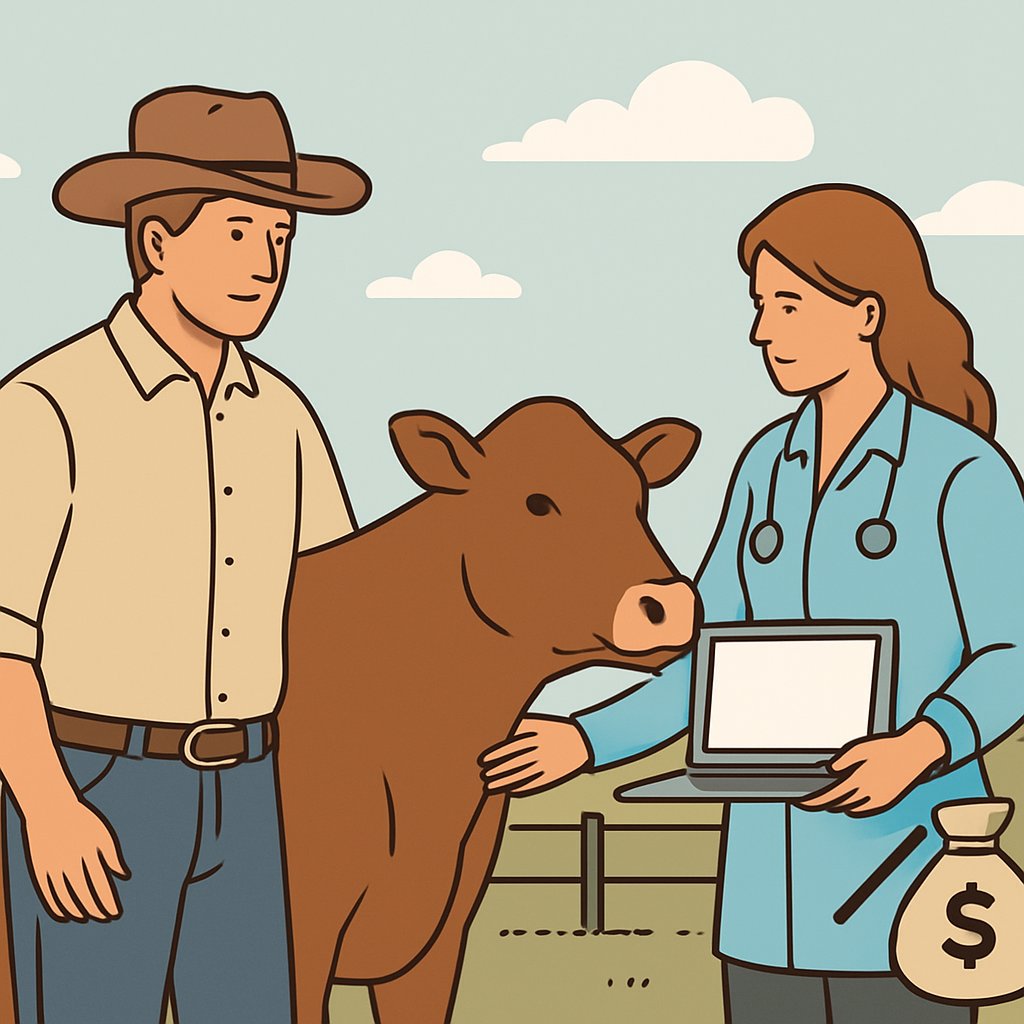
Regular Health Monitoring: Tools and Techniques for Effective Monitoring
Farmers use thermometers to track body temperatures accurately and quickly.
Wearable sensors collect real-time data on movement, temperature, and activity levels efficiently.
Observe physical appearance daily to notice signs of discomfort or injury immediately.
Importance of Routine Health Checks
Regular health checks identify issues before they escalate into serious problems.
Therefore, farmers maintain animal welfare and improve productivity simultaneously.
Timely interventions reduce disease spread and lower treatment costs effectively.
Thus, consistent monitoring supports profitable market readiness of livestock.
Common Tools Used in Health Monitoring
Additionally, stethoscopes help detect irregular heartbeats and respiratory issues early.
Blood pressure monitors provide insights into cardiovascular health status of animals.
Moreover, weight scales assist in tracking growth trends and detecting abnormalities promptly.
Modern Technologies Enhancing Health Surveillance
Likewise, mobile apps enable remote monitoring and instant alerts for health anomalies.
Drones survey large herds and monitor behavioral changes from a distance safely.
Furthermore, automated feeders and waterers track consumption patterns indicating animal well-being.
Effective Techniques for Daily Monitoring
Check feed and water intake regularly to ensure proper nutrition and hydration balance.
Showcase Your Farming Business
Publish your professional farming services profile on our blog for a one-time fee of $200 and reach a dedicated audience of farmers and agribusiness owners.
Publish Your ProfileMonitor breathing patterns and listen for coughing or wheezing indicating respiratory distress.
Record observations systematically to identify trends and inform timely decisions confidently.
Engaging Skilled Professionals for Accurate Assessments
Veterinarians offer expert evaluations and guide appropriate treatment strategies.
Trained animal health technicians assist with sample collection and preliminary screenings.
Furthermore, collaborating with nutritionists optimizes diet plans to support immune function.
Consequently, professional insight complements routine monitoring for comprehensive health management.
Training Staff on Monitoring Protocols
Educate farm workers about recognizing early disease symptoms and handling animals gently.
Provide hands-on sessions demonstrating proper use of diagnostic tools and recording procedures.
Encourage open communication channels for reporting health concerns promptly and clearly.
By investing in staff training, farms enhance overall herd health and operational efficiency.
See Related Content: Year-Round Hive Inspection Techniques For Preventing Common Bee Diseases
Record Keeping
Accurate record keeping plays a critical role in maintaining livestock health.
Ultimately, good record keeping enhances both animal welfare and profitability.
Farm manager Lucas Thompson emphasizes detailed health logs to track progress.
Importance of Documentation in Health Management
It helps farmers monitor each animal’s medical history effectively.
Consistent documentation enables timely vaccinations and treatments.
Therefore, it reduces the risk of disease outbreaks on the farm.
Moreover, it supports informed decisions about animal nutrition and care.
Furthermore, veterinarians rely on records to assess and diagnose health issues.
In addition, proper documentation helps identify trends that may indicate emerging health problems.
Role in Market Strategy
Detailed health records enhance transparency with potential buyers and traders.
They serve as proof of proper care and disease control for livestock.
Consequently, this builds consumer trust and can increase market value.
Farm owner Maya Patel uses documentation to support premium pricing strategies.
Additionally, health histories assist in meeting export regulations and certifications.
Maintaining organized records facilitates smoother transactions with livestock markets.
It also allows for better forecasting of market readiness and scheduling of sales.
Besides, documented health management contributes to branding livestock as high-quality products.
Best Practices for Effective Record Keeping
Farmers should keep individual files for every animal or group.
The records must include vaccination schedules, treatments, and growth metrics.
Moreover, noting any behavioral or physical changes ensures early detection of illness.
Using digital tools improves accuracy and accessibility of health data.
In fact, Livestock Care Solutions offers software tailored for farm health documentation.
Regular audits of records maintain information reliability and completeness.
Training staff in consistent documentation methods is essential for success.
Developing a Sustainable Health Management Plan
This plan focuses on practical measures for daily farm operations.
It emphasizes sustainable practices that support animal welfare.
The document highlights management elements for long term viability.
Understanding the Foundations of Livestock Health
A solid health management plan starts with understanding livestock needs.
Farmers like Michael Thompson emphasize knowing species-specific health requirements.
Showcase Your Farming Business
Publish your professional farming services profile on our blog for a one-time fee of $200 and reach a dedicated audience of farmers and agribusiness owners.
Publish Your ProfileAdditionally, recognizing common diseases helps in early prevention.
Veterinarians such as Dr. Laura Hernandez contribute valuable insights into animal health.
Therefore, collaborating with animal health professionals ensures effective planning.
Key Components of a Sustainable Health Plan
This section outlines major areas for maintaining herd health.
Each component supports long term sustainability and animal welfare.
Farmers can adapt components to fit specific farm operations.
Nutrition and Feeding Strategies
Proper nutrition boosts immunity and supports growth in livestock.
Farm nutritionist Sarah Callow recommends tailored feeding programs for different life stages.
Moreover, providing clean water prevents dehydration and disease.
Feed quality and storage also impact animal health significantly.
Vaccination and Disease Prevention
Implementing a comprehensive vaccination schedule safeguards livestock from outbreaks.
Jacob Faulkner, a farm manager, stresses routine vaccinations as essential practice.
Alongside vaccines, biosecurity measures reduce disease transmission risks.
For instance, controlling farm access limits exposure to pathogens.
Regular Health Monitoring and Record Keeping
Frequent health assessments detect early signs of illness.
Farmhands at Northfield Ranch document animal health daily for accurate tracking.
Consequently, timely intervention prevents disease spread and losses.
Maintaining detailed records aids in identifying patterns and improving management.
Stress Reduction and Welfare Practices
Minimizing stress enhances animal well-being and productivity.
Jennifer Morgan advises gentle handling and comfortable housing conditions.
Environmental enrichment and proper space allocation contribute positively.
Hence, welfare improvements align with profitable and ethical farming.
Best Practices for Long-Term Success
Adopting best practices supports consistent herd performance.
These measures reduce risk and improve market readiness.
Staff training and partnerships enhance plan implementation.
- Establish partnerships with local veterinarians for expert guidance.
- Train farm staff regularly on animal handling and health protocols.
- Incorporate sustainable waste management to improve farm hygiene.
- Utilize technology like health monitoring apps for real-time data.
- Review and update health plans to adapt to emerging challenges.
By following these best practices, farms can achieve profitable market readiness.


