




Introduction to Swine Nutritional Requirements
Proper nutrition plays a crucial role in swine growth and productivity.
Swine nutritional requirements vary based on age, weight, and production stage.
Pigs require energy, protein, vitamins, minerals, and water to thrive.
Importance of Proper Nutrition in Swine Production
It directly influences health, reproduction, and overall performance.
Without balanced diets, pigs may experience growth delays and illness.
Therefore, understanding nutritional needs supports efficient farm management.
Moreover, it reduces feed waste and lowers production costs.
Factors Influencing Nutritional Needs
Environmental conditions also affect nutrient needs and feed intake.
Additionally, genetics and health status play important roles in nutrition.
Feed ingredients and formulation methods influence diet quality as well.
Consequently, nutrition plans must adapt to these dynamic factors.
Key Nutrients for Swine Growth
Energy primarily comes from carbohydrates and fats in the diet.
Proteins supply essential amino acids for tissue development and repair.
Vitamins and minerals support metabolic functions and immune health.
Water serves as a vital nutrient for digestion and temperature regulation.
Transform Your Agribusiness
Unlock your farm's potential with expert advice tailored to your needs. Get actionable steps that drive real results.
Get StartedOverview of Nutritional Stages
Swine nutrition divides into stages such as lactation, nursery, grower, and finisher.
Each stage demands specific nutrient balances to optimize growth and health.
For instance, young piglets need highly digestible protein and energy.
Whereas finishing pigs require diets focused on muscle development and fat deposition.
Adapting feed through these stages enhances growth efficiency and meat quality.
Overview of Swine Growth Stages
Swine pass through distinct growth stages from birth to maturity.
Each stage demands specific feeding and management decisions for healthy development.
Therefore farmers must adapt diets and care across stages to optimize outcomes.
Introduction to Swine Growth
Swine grow through several distinct stages from birth to maturity.
Each stage requires different nutritional needs for healthy development.
Consequently the growth stages influence feed formulation and management.
Piglet Stage
Piglets are newborns typically from birth to weaning age.
During this period they depend heavily on the sow’s milk.
Their diet contains easily digestible nutrients and high energy.
Farmers often introduce creep feed gradually to transition piglets.
Weaner Stage
Weaners are young pigs recently separated from the sow.
They need nutrients that promote digestive health and immune support.
Feed focuses on balanced protein energy and fiber content during this stage.
Furthermore providing clean water and vitamins improves their resilience.
Grower Stage
Growers are pigs transitioning from weaner to finishing size.
Their feed requires moderate protein levels to maintain steady growth.
Energy sources increase to support muscular development and activity.
Moreover minerals like calcium and phosphorus help skeletal strength.
Finisher Stage
Finishers are pigs approaching their market weight and maturity.
Showcase Your Farming Business
Publish your professional farming services profile on our blog for a one-time fee of $200 and reach a dedicated audience of farmers and agribusiness owners.
Publish Your ProfileNutrition focuses on optimizing weight gain and meat quality.
Feed contains lower protein but higher energy concentrations overall.
Balancing fat and lean muscle deposition is essential at this stage.
Mature Pig Stage
Mature pigs mainly include breeders and sows used for reproduction.
They require diets that sustain reproductive performance and general health.
Their feed balances energy protein vitamins and minerals precisely.
Additionally sows need extra nutrients during gestation and lactation periods.
Summary of Growth Stages and Nutritional Focus
This summary highlights key growth stages and their nutritional focus.
Each bullet below condenses the stage and primary feeding emphasis.
Review these points to align feeding practices with stage requirements.
- Piglet: High protein energy and digestibility for early development.
- Weaner: Balanced nutrition to support immunity and gut health.
- Grower: Moderate protein and minerals for steady growth and bone strength.
- Finisher: Energy rich feed to maximize weight gain and meat quality.
- Mature: Specialized nutrition for reproductive health and maintenance.
Nutritional Needs During the Gestation Stage
Gestation is critical for sow health and piglet development.
Optimizing nutrition during this period supports fetal growth and productivity.
Both undernutrition and overfeeding harm reproductive performance and litter quality.
Importance of Proper Nutrition in Gestation
Adequate nutrition protects sow well being during gestation.
Moreover, it supports fetal development and newborn viability.
Producers avoid reproductive setbacks when they maintain proper feeding.
Key Nutritional Components for Gestating Sows
Gestating sows require energy, protein, vitamins, and minerals.
Feed composition directly influences fetal growth and sow condition.
Therefore, adjust diets as gestation progresses to meet changing needs.
Energy Requirements
Energy needs rise throughout gestation.
Early gestation requires moderate intake to maintain body condition.
Late gestation demands higher energy for rapid fetal growth.
Protein and Amino Acids
Protein must meet tissue development demands of sow and fetuses.
Essential amino acids like lysine play key roles during gestation.
Insufficient protein reduces birth weights and impairs piglet viability.
Vitamins and Minerals
Gestating sows need adequate vitamins to support metabolism.
For example, vitamins A and E aid immunity and reproduction.
Calcium and phosphorus promote skeletal development, while iron and zinc support fetal health.
Feeding Strategies and Management
Effective management improves nutrient delivery and sow outcomes.
Monitor body condition regularly to tailor feed allowances.
Meal frequency and ration size influence nutrient absorption and performance.
Feeding Frequency and Amount
Divide daily rations into multiple meals to improve absorption.
Additionally, adjust feed based on sow weight and condition.
Consistent evaluation prevents excessive fat and metabolic disorders at farrowing.
Water and Environmental Considerations
Provide fresh, clean water at all times.
Water intake affects feed consumption and nutrient use.
Maintain comfortable housing and control temperature to reduce sow stress.
Common Challenges in Nutritional Management
Nutrition management presents several common challenges during gestation.
Overfeeding can cause farrowing difficulties and poor lactation performance.
Underfeeding risks low birth weights and weaker piglets.
Showcase Your Farming Business
Publish your professional farming services profile on our blog for a one-time fee of $200 and reach a dedicated audience of farmers and agribusiness owners.
Publish Your Profile- Overfeeding can lead to difficult farrowing and poor lactation performance.
- Underfeeding risks the birth of low-weight or weak piglets.
- Inadequate mineral balance may cause reproductive failures or deformities.
- Feed quality inconsistencies can impact nutrient availability and sow health.
Regular evaluation and feed formulation adjustments remain crucial.
You Might Also Like: Sustainable Livestock Practices for Drought-Resistant Farming
Nutritional Requirements for Lactating Sows
This section covers nutritional requirements for lactating sows.
It focuses on diet composition and management during lactation.
The following sections describe energy, protein, minerals, water, and feeding strategies.
Energy Needs During Lactation
Lactating sows demand significantly higher energy intake compared to other stages.
They expend much energy producing milk for their piglets.
Consequently, feeding programs must supply ample calories consistently.
Moreover, insufficient energy reduces milk yield and compromises piglet growth.
Nutritionists recommend diets rich in highly digestible carbohydrates and fats.
This energy balance supports the sow’s health and promotes optimal litter performance.
Protein and Amino Acid Requirements
Protein is essential for milk synthesis and tissue repair in lactating sows.
They require higher-quality protein with adequate levels of essential amino acids.
Lysine, methionine, and threonine are particularly important.
Including soybean meal and fishmeal improves amino acid profiles effectively.
Furthermore, meeting protein needs prevents excessive body weight loss during lactation.
Balanced amino acid supply ensures consistent milk production and sow recovery.
Minerals and Vitamins for Health and Productivity
Lactating sows need increased levels of specific minerals to support metabolic functions.
Calcium and phosphorus are vital for bone health and milk composition.
Trace minerals like zinc, copper, and selenium enhance immune function and reproductive health.
Additionally, vitamins A, D, and E assist in lactation performance and antioxidant defense.
Supplementing diets with these nutrients reduces disease risk and promotes sow longevity.
Water Intake and Management
Water is the most critical nutrient for lactating sows.
Milk production demands a substantial daily water intake.
Sows typically consume three to five times more water during lactation.
Providing clean, fresh water at all times ensures proper hydration and milk synthesis.
Farm managers should regularly check water availability and quality.
Feeding Strategies to Maximize Intake
Lactating sows often experience reduced appetite during peak milk production.
Offering multiple smaller meals throughout the day encourages consistent intake.
Increasing feed palatability with flavor enhancers can stimulate consumption.
Ensuring comfortable housing and minimizing stress also improve feeding behavior.
Timely adjustments to feed formulation help meet changing nutritional demands.
Common Challenges and Practical Solutions
Excessive body weight loss is a common problem in lactating sows.
Nutritionists must carefully balance energy and nutrient density to prevent it.
Heat stress can reduce feed intake and milk yield; cooling systems help mitigate this.
Sometimes, digestive disturbances reduce nutrient absorption; enzyme supplements can assist.
Regular monitoring of sow condition aids early intervention and diet adjustments.
Delve into the Subject: Year-Round Hive Inspection Techniques For Preventing Common Bee Diseases
Nutritional Needs for Weanling Pigs
Weanling pigs require a carefully balanced diet to support rapid growth.
Proper nutrition helps reduce stress during the weaning transition.
Showcase Your Farming Business
Publish your professional farming services profile on our blog for a one-time fee of $200 and reach a dedicated audience of farmers and agribusiness owners.
Publish Your ProfileIt promotes a strong immune system to resist diseases.
Importance of Proper Nutrition at Weaning
Therefore, selecting the right ingredients is essential for optimal development.
These choices support fast and healthy body growth.
They also enhance feed conversion efficiency.
Key Ingredients and Their Benefits
This section highlights protein, carbohydrates, vitamins, probiotics, and enzymes.
Each ingredient plays a role in digestion, growth, or immunity.
Careful selection promotes overall weanling pig health and performance.
High-Quality Protein Sources
Protein supports muscle development and overall growth in weanling pigs.
Common protein ingredients include soybean meal and fish meal.
They provide essential amino acids necessary for body functions.
Well digested proteins improve feed efficiency and weight gain.
Highly Digestible Carbohydrates
Carbohydrates supply energy required for metabolic activities and growth.
Ingredients like cooked cereals and lactose promote easy digestion.
These sources help maintain energy levels after weaning stress.
Probiotics and Enzymes
Probiotics stabilize gut microflora and improve digestive health.
Enzymes help break down complex feed components for better absorption.
Together, they reduce digestive disturbances common after weaning.
Feed Form and Feeding Management
Starter feeds are usually highly palatable to encourage intake.
Pelleted or crumbled feed forms improve feed handling and consumption.
Frequent small meals reduce stress and support digestion.
Nutritional Benefits for Weanling Development
These nutrients support fast and healthy body growth.
They improve immune response for disease resistance.
They also minimize digestive upsets during the adjustment phase.
- Supports fast and healthy body growth.
- Improves immune response for disease resistance.
- Enhances feed conversion efficiency.
- Minimizes digestive upsets during adjustment phase.
Providing these key ingredients ensures weanling pigs thrive during this critical growth stage.
Gain More Insights: Livestock Packaging and Presentation for Better Market Appeal
Growing and Finishing Pigs: Energy and Protein Needs
Balanced energy and protein guide optimal growth in finishing pigs.
Proper intake supports bodily functions and lean tissue development.
Feed formulation must adapt as pigs increase size and weight.
Importance of Energy Requirements
Growing and finishing pigs require sufficient energy for optimal growth.
Energy supports vital bodily functions and tissue development.
Too little energy reduces growth rates and feed efficiency.
Conversely, excess energy can lead to excessive fat deposition.
Therefore, balancing energy intake is crucial for productive pigs.
Energy needs increase as pigs grow and approach market weight.
For this reason, their diet formulation must adapt during growth stages.
Feedstuffs high in digestible carbohydrates and fats supply most energy.
Nutritionists often calculate energy based on digestible energy or net energy systems.
Implementing proper energy guidelines helps optimize feed costs and growth performance.
Protein Requirements for Muscle Development
Protein intake directly influences muscle growth in growing pigs.
Quality and quantity of dietary protein are both essential factors.
Showcase Your Farming Business
Publish your professional farming services profile on our blog for a one-time fee of $200 and reach a dedicated audience of farmers and agribusiness owners.
Publish Your ProfilePigs require amino acids, the building blocks of protein, in specific ratios.
Lysine is the most critical limiting amino acid in swine diets.
Inadequate protein or lysine limits lean tissue deposition.
Meanwhile, excessive protein may increase nitrogen excretion and feed costs.
Therefore, precision in protein feeding improves efficiency and environmental sustainability.
Protein needs typically decrease as pigs move from growing to finishing phases.
Feed managers must adjust formulations to match these changing requirements.
High-quality protein sources like soybean meal are commonly used in swine feeds.
Adjusting Nutrition Through Growth Phases
Pigs’ nutritional needs evolve significantly between growing and finishing phases.
Early growing pigs need higher protein-to-energy ratios to build lean mass.
As pigs mature, their energy demands for fattening increase.
Thus, finishing diets often contain higher energy but reduced protein levels.
Producers should monitor pig weights and growth rates to fine-tune diets.
Implementing phase feeding programs enhances nutrient utilization.
This approach reduces wasted nutrients and lowers feed expenses.
Moreover, phase feeding supports healthier pigs with improved carcass quality.
Combining energy and protein management is central to successful swine production.
Collaborating with nutrition experts at Midwestern Swine Nutrition Services can ensure optimal diet strategies.
Practical Feeding Tips for Energy and Protein
Analyze feed ingredients regularly for energy and protein content.
Use standardized digestible amino acid values to balance diets precisely.
Incorporate additives when feasible to enhance nutrient digestibility.
- Analyze feed ingredients for energy and protein content regularly.
- Use standardized digestible amino acid values to balance diets precisely.
- Incorporate feed additives that enhance nutrient digestibility when feasible.
- Adjust feed formulations based on growth stage and seasonal temperature effects.
- Monitor pig performance indicators such as average daily gain and feed conversion ratios.
- Maintain clean water availability to support digestion and metabolism.
- Work with local feed mills, like Prairie Valley Feeds, for tailored formulations.
You Might Also Like: Regenerative Grazing Techniques for Soil and Forage Health
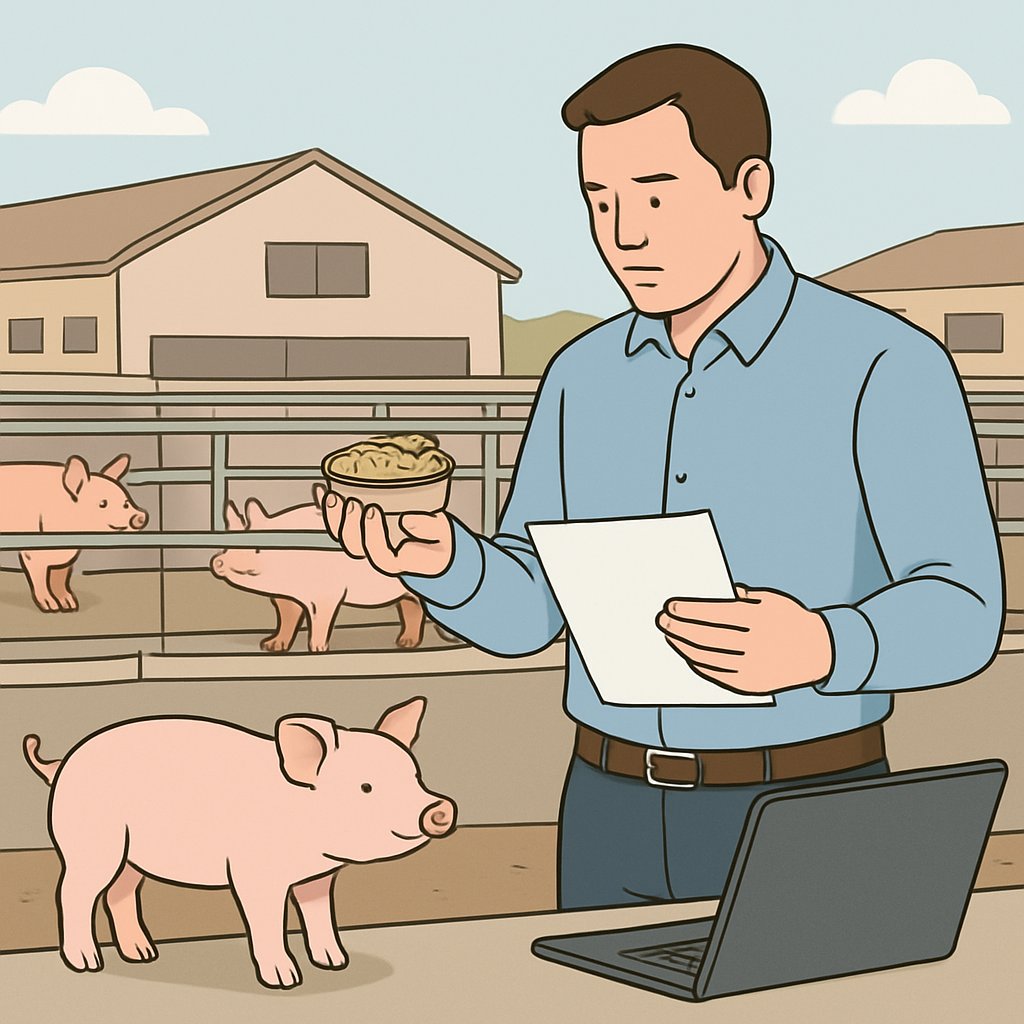
The Role of Vitamins and Minerals in Swine Nutrition
Vitamins support vital physiological functions in swine at all growth stages.
Minerals contribute to structural, metabolic, and enzymatic activities in pigs.
Balanced vitamin and mineral supply enhances swine growth performance and well-being.
Essential Vitamins for Swine Health
Vitamin A promotes healthy vision and immune response in pigs.
Moreover, vitamin D aids calcium absorption for bone development.
Vitamin E functions as an antioxidant protecting cells from damage.
Additionally, B-complex vitamins help convert feed into energy efficiently.
Vitamin K plays a critical role in blood clotting processes.
Crucial Minerals That Support Swine Growth
Calcium and phosphorus are fundamental for strong skeletal development.
Zinc supports skin health and strengthens the immune system.
Copper assists iron metabolism and aids red blood cell formation.
Iron is vital to prevent anemia and maintain oxygen transport in blood.
Selenium acts as an antioxidant and supports reproduction in swine.
Magnesium supports nerve function and muscle contractions in pigs.
Providing a balanced mineral supply ensures healthy tissue growth and metabolism.
Adjusting Vitamin and Mineral Needs Across Growth Stages
Different swine growth stages require tailored vitamin and mineral levels.
For piglets, higher vitamin E and iron intake prevents early health issues.
Grower pigs need increased calcium and phosphorus to support bone growth.
Showcase Your Farming Business
Publish your professional farming services profile on our blog for a one-time fee of $200 and reach a dedicated audience of farmers and agribusiness owners.
Publish Your ProfileNutritionists recommend stage-specific feed formulations to optimize swine health.
Effective Strategies to Meet Vitamin and Mineral Requirements
Producers should regularly analyze feed to confirm nutrient content and quality.
Supplementing diets with premixes helps ensure adequate vitamin and mineral delivery.
Veterinarians can identify potential deficiencies early and guide corrective actions.
Using bioavailable mineral sources increases nutrient absorption and utilization.
Regular health monitoring aids in adjusting nutrition plans as swine grow.
Adopting these strategies promotes consistent swine performance and well-being.
Formulating Diets for Swine at Different Growth Stages
Formulating diets requires stage-specific nutrient adjustment to meet physiological demands.
Furthermore, nutritionists balance ingredients for cost and availability.
These guidelines translate to practical feeding strategies on farms.
Nutritional Needs of Starter Pigs
Starter pigs need highly digestible nutrients to support rapid growth.
Additionally, provide diets rich in protein and essential amino acids.
Also include vitamins and minerals such as zinc and iron for health.
Use milk products and soybean meal to improve digestibility and palatability.
Nutritional Strategies for Grower Pigs
Grower pigs increase energy needs to sustain continued weight gain.
Moderately reduce protein relative to starter diets while maintaining amino acid balance.
Include adequate fiber to support gut health and feed efficiency.
Consider feed additives to enhance nutrient absorption when appropriate.
Feeding Requirements of Finisher Pigs
Finisher pigs require energy-dense diets to maximize lean tissue deposition.
Reduce protein slightly compared with grower diets, keeping amino acids balanced.
Add fat sources to raise caloric density without excessive bulk.
Maintain precise mineral supplementation for bone strength and metabolism.
Diets for Gestating and Lactating Sows
Gestating sows need nutrients to support their bodies and developing fetuses.
Increase energy intake progressively during gestation, but avoid overfeeding.
During lactation, nutrient requirements rise dramatically to support milk production.
Provide highly digestible and energy-rich diets to aid milk yield.
Ensure abundant water availability and quality to maintain proper hydration.
Factors Influencing Swine Diet Formulation
Feed formulation depends on ingredient availability and market prices.
Genetic potential of the herd affects nutrient requirements and growth rates.
Environmental conditions like temperature influence feed intake and metabolism.
Monitor health status because it alters nutrient needs and feed efficiency.
Best Practices in Swine Feed Management
Ensure consistent feed mixing for uniform nutrient distribution.
Store feed correctly to prevent spoilage and contamination.
Train farm staff in feeding techniques and schedule adherence.
Use phase feeding to match diets to growth stage requirements closely.
Consult nutrition specialists regularly to update feeding programs.
Common Nutritional Deficiencies in Swine and Their Effects
This section lists common nutrient deficiencies in swine.
It covers protein, vitamin, mineral, and energy shortages.
Each subsection explains resulting health problems and production impacts.
Protein and Amino Acid Deficiencies
Protein plays a crucial role in swine growth and development.
Showcase Your Farming Business
Publish your professional farming services profile on our blog for a one-time fee of $200 and reach a dedicated audience of farmers and agribusiness owners.
Publish Your ProfileInsufficient protein intake reduces growth rates significantly.
Moreover, it leads to poor muscle development and reduced feed efficiency.
A deficiency in essential amino acids, such as lysine and methionine, disrupts protein synthesis.
Consequently, affected swine exhibit stunted growth and weaker immune responses.
Vitamin Deficiencies
Vitamins support metabolic functions and overall health in swine.
A lack of vitamin A can cause vision problems and reproductive failures.
Similarly, vitamin D deficiency affects calcium absorption and bone formation.
Vitamin E deficiency results in muscle degeneration and compromised immunity.
Therefore, balanced vitamin supplementation prevents these disorders effectively.
Mineral Deficiencies
Minerals are essential for physiological processes and structural integrity.
Calcium deficiency leads to weak bones and skeletal abnormalities in pigs.
Phosphorus scarcity worsens these skeletal issues and decreases productivity.
Iron deficiency is common in piglets, causing anemia and lethargy.
Zinc deficiency affects skin health and causes slower wound healing.
Thus, proper mineral balance is vital for swine wellbeing.
Energy Deficiencies
Swine require adequate energy for maintenance, growth, and reproduction.
Energy shortage reduces feed intake and weight gain.
It also causes poor body condition and decreased resistance to disease.
Including sufficient carbohydrates and fats in diets resolves energy deficits.
Effects of Nutritional Deficiencies on Swine Health and Productivity
Nutritional deficiencies impair growth performance and feed efficiency.
They increase susceptibility to infections and prolong recovery times.
Reproductive failures and higher mortality rates often result from poor nutrition.
Moreover, economic losses arise from decreased meat quality and slower turnover.
Regular monitoring and proper diet formulation help mitigate these problems.
Optimizing Swine Health Through Tailored Nutrition
Swine require specific nutrients depending on their growth phase.
Therefore, understanding these requirements helps maintain overall herd health.
Tailored nutrition enhances growth rates and feed efficiency simultaneously.
Recognizing Unique Nutritional Needs at Each Growth Stage
For instance, piglets need higher protein levels to support rapid development.
In contrast, finishing pigs benefit from energy-dense diets for efficient weight gain.
Moreover, adapting feed composition reduces the risk of nutritional deficiencies.
Benefits of Customized Feeding Programs
Targeted diets improve immune function and disease resistance in swine.
Consequently, farmers experience lower veterinary costs and better productivity.
Such programs optimize nutrient utilization and minimize environmental waste.
Key Strategies for Implementing Effective Nutrition Plans
Regularly assess swine growth stages and adjust diets accordingly.
Consult with nutritionists like Emily Carlson or companies such as Prairie Feed Solutions.
Incorporate quality feed ingredients that match physiological demands precisely.
Monitor animal performance to refine feeding practices continuously.
This proactive approach safeguards animal welfare and business success.
Additional Resources
Showcase Your Farming Business
Publish your professional farming services profile on our blog for a one-time fee of $200 and reach a dedicated audience of farmers and agribusiness owners.
Publish Your Profile


