




Overview of Free-Range Chicken Farming and Its Benefits
Free-range chicken farming allows birds to roam outdoors freely during the day.
Hence, it represents a more sustainable approach to poultry production.
Therefore, free-range farming offers both quality and market appeal advantages.
Principles of Free-Range Chicken Farming
Farmers provide shelter and adequate space to ensure chicken comfort and safety.
This practice supports more natural behaviors compared to conventional cage systems.
Consequently, chickens experience less stress and improved overall health.
Environmental Advantages of Free-Range Systems
Free-range systems support soil fertility by natural fertilization from chicken droppings.
The outdoor movement of chickens helps control pests and insect populations.
Farmers benefit from decreased use of chemical pesticides in these setups.
Benefits to Meat and Egg Quality
Free-range chickens typically produce eggs with richer yolks and better flavor profiles.
The meat from these birds often contains higher levels of beneficial nutrients.
Customers increasingly prefer free-range products due to perceived health benefits.
Economic and Social Impacts of Free-Range Farming
Free-range chicken farming often supports small and family-owned farms.
It encourages local economies through farm-to-table marketing strategies.
Consumers paying premium prices help sustain ethical farming practices.
Transform Your Agribusiness
Unlock your farm's potential with expert advice tailored to your needs. Get actionable steps that drive real results.
Get StartedFurthermore, educational programs hosted by farms raise awareness about animal welfare.
Ultimately, free-range farming strengthens community ties and promotes transparency.
Understanding the Role of Minerals in Chicken Health
Minerals play a vital role in the overall health of free-range chickens.
They contribute significantly to bone development and eggshell quality.
Moreover, minerals support proper muscle function and metabolic processes.
Importance of Minerals in Poultry Nutrition
Trace minerals such as zinc and selenium enhance the immune system’s response.
Without adequate mineral intake, chickens may suffer from deficiencies and diseases.
Therefore, supplying the correct balance of minerals is essential in poultry diets.
Key Minerals for Free-Range Chickens
Calcium stands out as crucial for strong bones and egg production.
Phosphorus works closely with calcium to maintain skeletal integrity.
Zinc supports feather growth and helps in wound healing efficiently.
Manganese influences reproductive performance and reduces skeletal abnormalities.
Selenium acts as a powerful antioxidant protecting cells from damage.
Magnesium assists in enzyme activities and overall energy metabolism.
Each mineral holds a unique and indispensable function in chicken health.
Signs and Effects of Mineral Deficiencies
Chickens lacking calcium often develop fragile bones and thin eggshells.
Phosphorus deficiency may cause poor growth and reduce feed efficiency.
Insufficient zinc leads to slow feathering and increased susceptibility to infections.
Manganese shortages can result in twisted legs and reduced hatchability.
Low selenium compromises immunity and increases oxidative stress risks.
Recognizing these warning signs helps poultry managers act promptly.
Integrating Mineral Supplements Effectively
Free-range systems rely on natural foraging but might lack certain minerals.
Thus, supplementation ensures consistent and adequate mineral availability.
Producers like GreenFields Poultry provide tailor-made mineral blends for sustainable uses.
Showcase Your Farming Business
Publish your professional farming services profile on our blog for a one-time fee of $200 and reach a dedicated audience of farmers and agribusiness owners.
Publish Your ProfileAdditionally, mineral supplements improve resilience and promote optimal productivity.
Regular testing of soil and forage assists in adjusting mineral provision accurately.
Ultimately, combining natural feed sources with appropriate supplements yields best results.
Types of Mineral Supplements Beneficial for Free-Range Chickens
This section lists mineral supplement types for free-range chickens.
It covers macro-minerals, trace minerals, and specialty mineral supplements.
The following subheadings describe specific minerals and supplementation approaches.
Essential Macro-Minerals
Macro-minerals play a vital role in maintaining free-range chicken health.
Calcium supports strong eggshell formation and skeletal development.
Phosphorus works with calcium to build bones and assist metabolic processes.
Magnesium contributes to enzyme function and energy metabolism in chickens.
Sodium and potassium regulate fluid balance and support nerve transmission.
Trace Minerals for Optimal Health
Trace minerals are required in smaller amounts yet remain crucial for vitality.
Zinc enhances immune system function and supports feather growth.
Manganese is essential for bone formation and reproductive performance.
Copper aids iron metabolism and supports connective tissue formation.
Selenium acts as an antioxidant that protects cells from oxidative damage.
Organic Versus Inorganic Mineral Supplements
Organic minerals bind to proteins and improve absorption efficiency in chickens.
In contrast, inorganic minerals occur as salts or oxides and vary in availability.
Many farmers prefer organic supplements because they reduce environmental mineral waste.
However, inorganic minerals remain more cost-effective and widely accessible for many operations.
Specialty Mineral Supplements
Some supplements combine multiple minerals tailored for free-range systems.
Chelated mineral blends enhance bioavailability and improve nutrient uptake.
Trace mineral premixes ensure a balanced supply for laying hens and broilers.
Oyster shells provide a natural, sustainable calcium option for poultry.
Incorporating Mineral Supplements into Diets
Supplementing free-range chickens prevents deficiencies caused by variable forage content.
Farmers should test soil and forage mineral content to tailor supplementation accurately.
Offering supplements in free-choice feeders encourages voluntary consumption by hens.
Combining supplements with sustainable feed reduces reliance on synthetic additives.
Explore Further: Livestock Health Management for Profitable Market Readiness
Strategies for Integrating Mineral Supplements into Chicken Diets
Understanding the specific mineral requirements of free-range chickens is essential.
Choose high-quality mineral supplements from trusted suppliers like GreenFarm Nutrients.
Incorporate mineral supplements into homemade feed mixes for even distribution.
Assessing Nutritional Needs
Different life stages demand varying amounts of minerals for optimal health.
Consulting with poultry nutritionist Laura Fender improves dietary balance effectively.
Additionally, evaluating soil mineral content helps determine supplemental needs.
Selecting Appropriate Mineral Sources
Organic mineral sources often match sustainable farming goals closely.
Moreover, chelated minerals enhance absorption compared to inorganic forms.
Offering a mix of trace minerals ensures that no nutrient deficiencies occur.
Incorporating Supplements into Feed
Alternatively, provide mineral blocks or loose minerals in designated areas.
Rotating supplement types can prevent imbalances and maintain mineral variety.
Showcase Your Farming Business
Publish your professional farming services profile on our blog for a one-time fee of $200 and reach a dedicated audience of farmers and agribusiness owners.
Publish Your ProfileEnsure clean and dry storage to preserve supplement quality and effectiveness.
Monitoring and Adjusting Supplementation
Regularly monitor flock health indicators such as feather condition and egg quality.
Keep detailed records of supplement intake and adjust formulas accordingly.
Partnering with specialists like Miller Poultry Advisors supports data-driven decisions.
Finally, stay informed about new research to enhance supplementation strategies continually.
Delve into the Subject: Beekeeping Guidelines for Controlling Varroa Mite Infestation
Impact of Mineral Supplements on Egg Production and Quality
Mineral supplements influence egg production in free range chickens.
They also affect eggshell formation and hen metabolic functions.
Research indicated measurable increases after supplementation in some flocks.
Enhancing Egg Production
Specific minerals help maintain consistent laying schedules.
Calcium, phosphorus, and magnesium relate to shell formation and laying performance.
Producers observed improved output when minerals matched flock needs.
Improving Eggshell Quality
Mineral supplements increase eggshell thickness and durability.
Calcium remains central to producing strong shells.
Trace elements like zinc and manganese also support shell integrity.
Enhancing Nutritional Value of Eggs
Minerals can change the internal nutrient composition of eggs.
Iodine supplementation raises egg iodine content for consumers.
Zinc and selenium contribute antioxidant and immune related benefits.
Supporting Hen Health for Optimal Egg Quality
Minerals help sustain hen health and performance.
Copper supports immune function and can reduce disease incidence.
Healthy hens yield better albumen consistency and yolk appearance.
Practical Supplementation Notes
Choose supplements based on flock age, breed, and soil minerals.
Prefer natural mineral sources when they align with sustainable practices.
Monitor production trends and shell quality to adjust supplement levels.
Consult a poultry nutritionist for customized feeding plans when needed.
Key Minerals and Their Benefits
The following minerals play important roles in egg quality and hen health.
Each mineral contributes specific structural or nutritional benefits.
Farmers may tailor blends to their flock requirements.
- Calcium: Essential for strong eggshells.
- Phosphorus: Supports bone and eggshell formation.
- Magnesium: Aids metabolic functions for laying.
- Zinc: Enhances shell integrity and immune health.
- Manganese: Important for eggshell quality.
- Iodine: Boosts egg nutritional value.
- Selenium: Provides antioxidant benefits.
- Copper: Supports hen immunity.
Explore Further: Nutritional Requirements for Different Swine Growth Stages
Sustainable Sourcing of Mineral Supplements in Chicken Feed
Choosing sustainable mineral supplements supports both animal health and environmental care.
Suppliers like GreenEarth Minerals focus on eco-friendly extraction methods.
These methods reduce environmental degradation and preserve natural resources.
Importance of Sustainable Mineral Sources
Moreover, sustainable minerals help maintain soil quality and biodiversity.
Therefore, sourcing responsibly aligns with free-range and organic farming principles.
Sourcing sustainable minerals helps reduce the farm’s carbon footprint.
Identifying Eco-Friendly Mineral Suppliers
Farmers should evaluate supplier certifications before procurement.
Look for labels such as FairMine or EcoMine certification to ensure sustainability.
For instance, Rocky Grove Minerals offers fully traceable and renewable mineral options.
Working with local suppliers like Riverbend Nutrients reduces transportation emissions.
In addition, it strengthens local economies and farming communities.
Showcase Your Farming Business
Publish your professional farming services profile on our blog for a one-time fee of $200 and reach a dedicated audience of farmers and agribusiness owners.
Publish Your ProfileTypes of Sustainable Mineral Supplements
Common sustainable minerals include organic selenium, chelated zinc, and plant-based calcium.
For example, Nature’s Trace provides chelated minerals that improve absorption.
Using these minerals minimizes environmental contamination through runoff.
Furthermore, they enhance chicken health and promote growth naturally.
Thus, selecting the correct supplement type contributes to a balanced free-range diet.
Best Practices for Integrating Sustainable Minerals
Consult with nutritionists like Dr. Lydia Harmon to tailor mineral blends.
Regularly test soil and forage to adjust mineral supplementation accurately.
Implement rotational sourcing to avoid depleting any single mineral reserve.
Parallelly, maintain transparent records of sourcing and feed quality.
This approach fosters trust with consumers and supports traceability.
Benefits Beyond Chicken Health
It also promotes ethical farming practices recognized by certification bodies.
Consequently, farms like Willowbrook Poultry gain premium market access.
Additionally, it encourages innovation in mineral supplement production.
Ultimately, sustainable sourcing creates a more resilient agricultural ecosystem.
Uncover the Details: Sustainable Livestock Practices for Drought-Resistant Farming
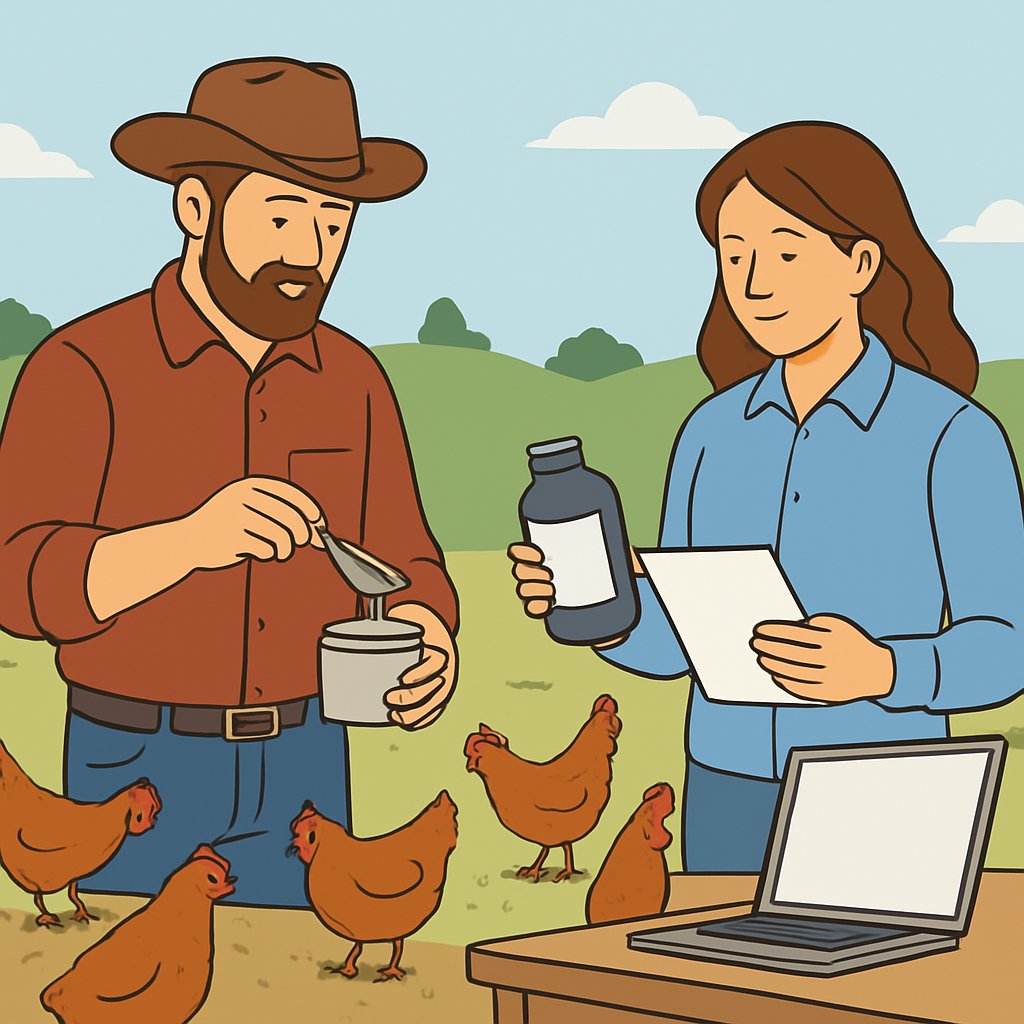
Monitoring and Adjusting Mineral Intake for Optimal Chicken Health
This section examines monitoring and adjusting mineral intake for chicken health.
It emphasizes practical monitoring and management steps for free-range flocks.
Farmers can use tests, logs, and technology to guide supplement decisions.
Importance of Regular Health Assessments
Monitoring your chickens’ health regularly helps maintain optimal mineral balance.
Frequent health checks identify mineral deficiencies or excesses early.
Therefore, farmers can adjust supplementation before issues worsen.
Consulting with a poultry nutritionist like Harriet Langford ensures accurate assessments.
Moreover, observing behavior changes can signal mineral-related health problems.
Tracking Mineral Consumption and Environmental Factors
Track the amount of mineral supplements your flock consumes daily.
Use feeding logs maintained by caretakers such as Miguel Santos for better records.
Additionally, monitor environmental factors that influence mineral needs.
For example, heat stress can increase mineral requirements for free-range chickens.
On the other hand, rainy seasons may reduce mineral absorption efficiency.
Adjusting Supplements Based on Life Stage and Production Goals
Adjust mineral levels according to the chickens’ age and production phase.
Young pullets require different minerals compared to laying hens or roosters.
Furthermore, egg-laying hens benefit from higher calcium and phosphorus supplementation.
Farm managers like Clara Jensen tailor feeding programs to match these needs.
Consequently, adjusting mineral intake helps optimize weight, egg quality, and overall health.
Implementing Proper Mineral Testing Protocols
Regular soil and forage testing informs mineral supplementation strategies accurately.
Local labs such as Greenfield Agricultural Services provide reliable analysis.
Test chicken feed regularly to confirm mineral content aligns with flock needs.
Also, blood or feather analysis helps detect mineral deficiencies in chickens.
Based on test results, nutritionists devise precise supplement adjustments promptly.
Use of Technology in Monitoring and Management
Utilize digital monitoring tools to track feeding patterns and mineral intake.
Apps for poultry management help caretakers such as Ethan Ramirez stay informed.
Showcase Your Farming Business
Publish your professional farming services profile on our blog for a one-time fee of $200 and reach a dedicated audience of farmers and agribusiness owners.
Publish Your ProfileRemote sensors can measure environmental conditions that impact mineral needs.
By integrating these technologies, farmers improve decision-making and flock health.
Combining traditional observation with technology supports sustainable free-range farming practices.
Case Studies of Successful Integration of Minerals in Free-Range Farms
This section presents case studies of mineral integration on free-range farms.
Each study describes specific mineral practices and observed outcomes.
Additionally, the examples show sustainability and animal health benefits.
Improving Flock Health at Green Valley Farm
Green Valley Farm adopted mineral supplements to enhance free-range chicken health.
They incorporated a natural mineral mix including calcium, magnesium, and zinc.
Consequently, the chickens showed increased eggshell strength and fewer bone issues.
Moreover, the farm reported a rise in overall flock vitality within months.
The use of minerals supported their sustainable and eco-friendly farming approach.
Boosting Productivity at Sunrise Pastures
Sunrise Pastures introduced trace minerals into their chickens’ diet last season.
They focused on selenium and manganese to improve immune response and growth.
Following supplementation, the flock exhibited reduced disease incidence and better weight gain.
Farm manager Laura Kim noted clear improvements in flock resilience.
Therefore, integrating minerals aligned with their goal to maintain free-range standards.
Enhancing Sustainability with Mineral Integration at Blue Ridge Acres
Blue Ridge Acres prioritized renewable practices and mineral supplementation simultaneously.
They used organic mineral blends combined with pasture rotation and natural feed.
These efforts helped maintain soil mineral content and chicken health.
Farm owner Marcus Ellis highlighted more consistent egg production as a benefit.
Furthermore, mineral use reduced dependency on synthetic additives, supporting sustainability.
Key Strategies from Successful Free-Range Farms
Successful farms tailor mineral types to their specific environmental conditions.
They administer minerals through natural feed additives or mineral blocks accessible to chickens.
Regular soil and feed testing guides precise mineral supplementation needs.
Farmers also monitor bird health closely to adjust mineral intake promptly.
These actions collectively optimize flock health while supporting sustainable practices.
Challenges and Solutions in Mineral Supplementation for Free-Range Chickens
Free-range environments have unpredictable soil mineral content.
Seasonal changes affect mineral availability in forage.
Producers face difficulty in meeting mineral requirements naturally.
Environmental Variability and Mineral Availability
As a result, chickens may not obtain consistent nutrients from forage.
Seasonal changes also affect the availability of natural minerals.
Therefore, understanding local soil and plant mineral profiles is essential.
Ensuring Consistent Mineral Intake
Individual chickens vary in their mineral consumption patterns.
This variability challenges the uniform delivery of supplements.
Producers must design supplementation methods that accommodate roaming behavior.
Selecting Appropriate Mineral Forms
Organic minerals often have better bioavailability than inorganic forms.
However, organic sources can be costlier for small producers.
Experts like Dr. Charlotte McKinley advise using a blend of both mineral types.
Preventing Over-supplementation and Toxicity
Excess minerals can harm chicken health and the environment.
Producers must avoid adding supplements beyond birds’ nutritional needs.
Showcase Your Farming Business
Publish your professional farming services profile on our blog for a one-time fee of $200 and reach a dedicated audience of farmers and agribusiness owners.
Publish Your ProfileVeterinary nutritionist Thomas Reynolds emphasizes using soil and feed testing routinely.
Integrating Mineral Supplementation into Sustainable Practices
Sustainable feeding prioritizes natural nutrient sources when possible.
Complementing forage with targeted supplementation enhances bird health.
Such options reduce environmental footprints while supporting poultry nutrition.
- Conduct soil and forage mineral analysis regularly
- Place mineral supplements strategically for easy access
- Use a balanced mix of organic and inorganic minerals
- Monitor flock health and adjust supplementation accordingly
- Opt for environmentally responsible mineral products


