







Understanding Labor Laws for Farmers
Introduction to Labor Laws Overview of Labor Laws Labor laws serve as essential guidelines for workplace operations. They…
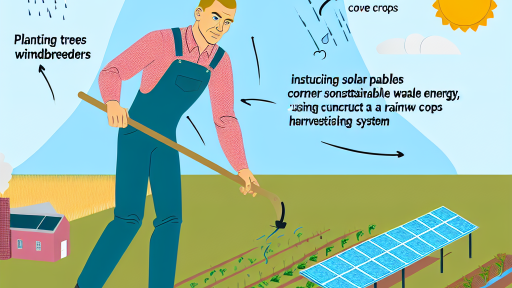
Making Farms Climate-Resilient Through Adaptation
Understanding Climate Change and Its Impact on Agriculture The Science of Climate Change Climate change refers to long-term…

Integrating Organic Farming in School Programs
Introduction to Organic Farming Definition of Organic Farming Organic farming involves growing crops without synthetic fertilizers or pesticides.…

Creating a Unique Brand Identity for Your Farm
Understanding Your Farm’s Unique Selling Proposition (USP) Identifying Key Characteristics First, examine what makes your farm special. Consider…
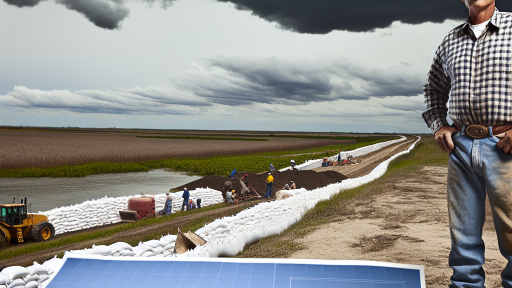
Mitigating Flood Risks: Essential Farm Planning Tips
Understanding Flood Risks: Types and Impact on Agriculture Types of Flooding Flooding can occur in various forms. Each…
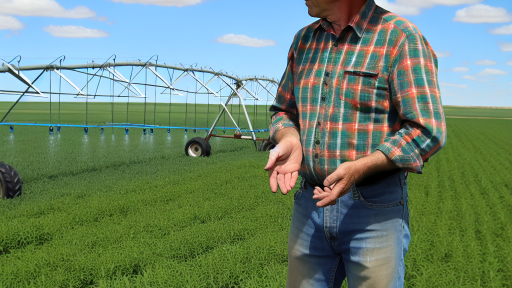
Efficient Water Management Practices in Agriculture
Introduction to Water Management in Agriculture Water management plays a critical role in agriculture today. Farmers face challenges…

Building Community with Agri-Tourism Initiatives
Introduction to Agri-Tourism and its Importance in Community Building Agri-tourism connects agriculture and tourism in meaningful ways. This…

Understanding Export Licensing Requirements
Introduction to Export Licensing Definition of Export Licensing Export licensing refers to authorization required to ship products overseas.…
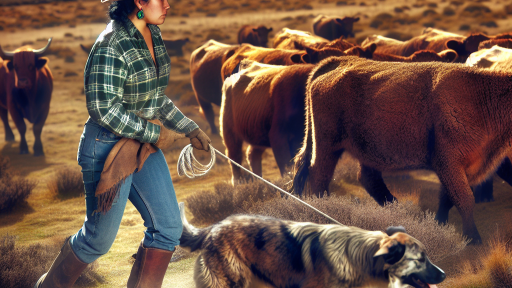
Natural Health Management for Beef Cattle
Understanding Natural Health Management Core Principles Natural health management emphasizes holistic care for beef cattle. It focuses on…
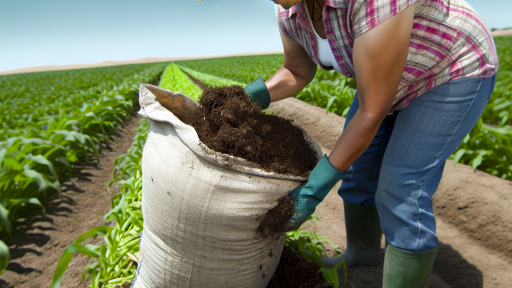
Organic Mulching Solutions for Healthier Crops
Introduction to Organic Mulching Definition of Organic Mulching Organic mulching involves covering the soil with natural materials. This…