




Introduction to Companion Planting
Companion planting is a gardening technique that pairs plants for mutual benefit.
This technique can enhance growth, deter pests, and maximize yield.
Understanding its benefits can transform your gardening experience.
Benefits of Companion Planting
Companion planting offers numerous advantages for your garden.
First, it helps to improve plant health and growth.
Additionally, some plants naturally repel harmful insects.
Furthermore, certain combinations can enhance flavor and nutrition.
For instance, planting basil alongside tomatoes enhances their taste.
As a result, these synergistic relationships create thriving ecosystems.
Basics of Companion Planting
To practice companion planting effectively, know the basics.
Begin by researching which plants grow well together.
Some plants prefer specific companions due to root structure.
In contrast, others may compete for resources if planted together.
Also, consider the growth habits of each plant.
Tall plants can provide shade for shorter ones, benefiting both.
Transform Your Agribusiness
Unlock your farm's potential with expert advice tailored to your needs. Get actionable steps that drive real results.
Get StartedFlowered plants attract beneficial insects that help pollination.
Common Companion Planting Strategies
Employ various strategies for effective companion planting.
- Succession planting involves rotating crops for continuous harvest.
- Interplanting maximizes space by growing plants together.
- Trap cropping attracts pests away from main crops.
Understanding these strategies will improve your gardening skills.
Choosing the Right Companions
Selecting the right companion plants is essential for success.
Consult resource guides that match your local climate.
Regions often have preferred plant pairings.
Experimenting will help you identify the best combinations.
Over time you will discover which pairings yield the best results.
Spring Companion Planting: Ideal Pairings for Early Crops
This method is eco-friendly and efficient.
It can deter pests and improve soil health.
Furthermore, it maximizes garden space and resources.
Understanding Companion Planting
Companion planting enhances crop growth and yields.
Each plant supports others in various ways.
Additionally, this approach can improve soil health.
Common Pairings for Spring Crops
Several plants thrive together in the spring.
Consider these successful pairings for your garden.
These pairings can deter pests and aid growth.
- Tomatoes and basil: Basil enhances tomato flavor
- Carrots and onions: Onions repel carrot flies
- Corn and beans: Beans fix nitrogen for corn
- Cucumbers and radishes: Radishes deter cucumber beetles
- Beets and garlic: Garlic wards off beet pests
Plants to Avoid Pairing
Not all plants are suitable neighbors.
Some pairings can hinder growth or lead to pests.
Avoid these combinations.
- Tomatoes and cabbage: Cabbage worms can harm tomatoes
- Carrots and dill: Dill can stunt carrot growth
- Beans and onions: Onions can harm bean development
Timing Your Planting
Timing is essential for successful companion planting.
Plant early crops after the last frost date.
Consider the individual plant needs for sunlight and space.
Practical Tips for Successful Companion Planting
Start by researching each plant’s needs and benefits.
Showcase Your Farming Business
Publish your professional farming services profile on our blog for a one-time fee of $200 and reach a dedicated audience of farmers and agribusiness owners.
Publish Your ProfileRegularly monitor your garden for health and growth.
Practice rotation to maintain soil fertility each season.
Summer Companion Planting: Maximizing Yield and Pest Control
Companion planting enhances garden productivity during summer months.
Choose plants that benefit from each other’s growth.
Certain plants act as natural pest repellents, protecting vulnerable crops.
The Benefits of Companion Planting in Summer
It promotes healthy growth and provides natural pest control.
By planting certain crops together, you can improve flavors and nutrient uptake.
These partnerships create a balanced ecosystem in your garden.
Optimal Companion Pairings
For example, tomatoes thrive when planted with basil.
Basil enhances the flavor of tomatoes and helps repel pests.
Another effective pairing is corn, beans, and squash, known as the Three Sisters.
Enhancing Pest Control
Marigolds are especially effective against nematodes and aphids.
Likewise, nasturtiums deter cucumber beetles and aphids.
Integrating these plants can significantly reduce the need for chemical pesticides.
Summer Planting Strategies
Timing is crucial for successful planting.
Start seeds indoors if necessary, then transplant them after the last frost.
Interplant crops to maximize space and resources.
Seasonal Maintenance Tips
Regularly monitor your garden for signs of pests and disease.
Ensure proper watering and mulching to conserve soil moisture.
Rotate crops each growing season to maintain soil health.
See Related Content: Indoor Gardening Trends for Sustainable and Eco-Friendly Urban Farming
Fall Companion Planting: Preserving Harvests and Soil Health
Fall marks a crucial period for companion planting in the garden.
Gardeners can use this season to improve soil and protect crops.
Cover crops protect against erosion and boost soil fertility and structure.
Optimizing the Garden Environment
Fall is a crucial season for companion planting.
It offers opportunities to optimize the garden environment.
Cover crops play an essential role in protecting soil.
They prevent soil erosion during cold months.
Additionally, they improve soil fertility and structure.
Selecting the Right Plants
Choosing compatible plants is vital for success.
For example, plant garlic alongside fall crops.
Garlic deters pests and promotes healthy growth.
Legumes, like clover, fix nitrogen in the soil.
This improves the nutrient content for neighboring plants.
Implementing Crop Rotation
Crop rotation is an effective strategy for garden health.
Switching plant families reduces pest buildup and disease.
Rotate your crops to prevent nutrient depletion.
This practice ensures a balanced ecosystem in the soil.
Maintaining Soil Health
Healthy soil supports vibrant plant life.
Add organic matter such as compost to enhance fertility.
Showcase Your Farming Business
Publish your professional farming services profile on our blog for a one-time fee of $200 and reach a dedicated audience of farmers and agribusiness owners.
Publish Your ProfileMulching helps retain soil moisture and suppress weeds.
These practices create a sustainable and thriving garden.
Protecting Against Winter Conditions
Protect your garden from harsh winter conditions.
Row covers can shield tender plants from frost.
Similarly, planting garlic in the fall improves hardiness.
The plants will thrive when spring arrives.
You Might Also Like: Sustainable Permaculture Techniques for Small Farmers
Winter Companion Planting: Indoor Choices and Strategies
Winter gardening offers unique opportunities for indoor planting.
By selecting the right plants, you can enjoy fresh produce year-round.
Furthermore, pairing compatible plants can enhance growth and deter pests.
Choosing Indoor Plants for Winter
Consider leafy greens such as kale or spinach for nutritious crops.
Also, tomatoes can be grown indoors with adequate light and care.
Moreover, mixing herbs with greens can maximize space and increase yields.
Essential Growing Conditions
Providing proper light is crucial for indoor plants in winter.
Therefore, utilize grow lights to supplement limited natural sunlight.
Keep temperature consistent between 65 F and 75 F for best results.
Also, maintain humidity around 40-50% to support healthy growth.
Companion Planting Strategies
Herbs like basil, parsley, and chives thrive indoors during the colder months.
For instance, plant basil alongside tomatoes for mutual benefits.
Include garlic near spinach to ward off unwanted pests.
Watering and Nutrition Tips
Overwatering is a common mistake; ensure pots have adequate drainage.
Check the soil moisture regularly and water only when needed.
Use organic fertilizers to promote healthy plant development.
Compost teas can provide nutrients without synthetic additives.
Monitoring Plant Health
Regularly inspect your plants for signs of stress or pest infestations.
Consider using neem oil as a natural pest deterrent.
Adjust lighting or watering schedules to enhance growth quality.
Document any changes to learn what works best for your indoor garden.
Uncover the Details: Seasonal Gardening for Warm Climate Farmers
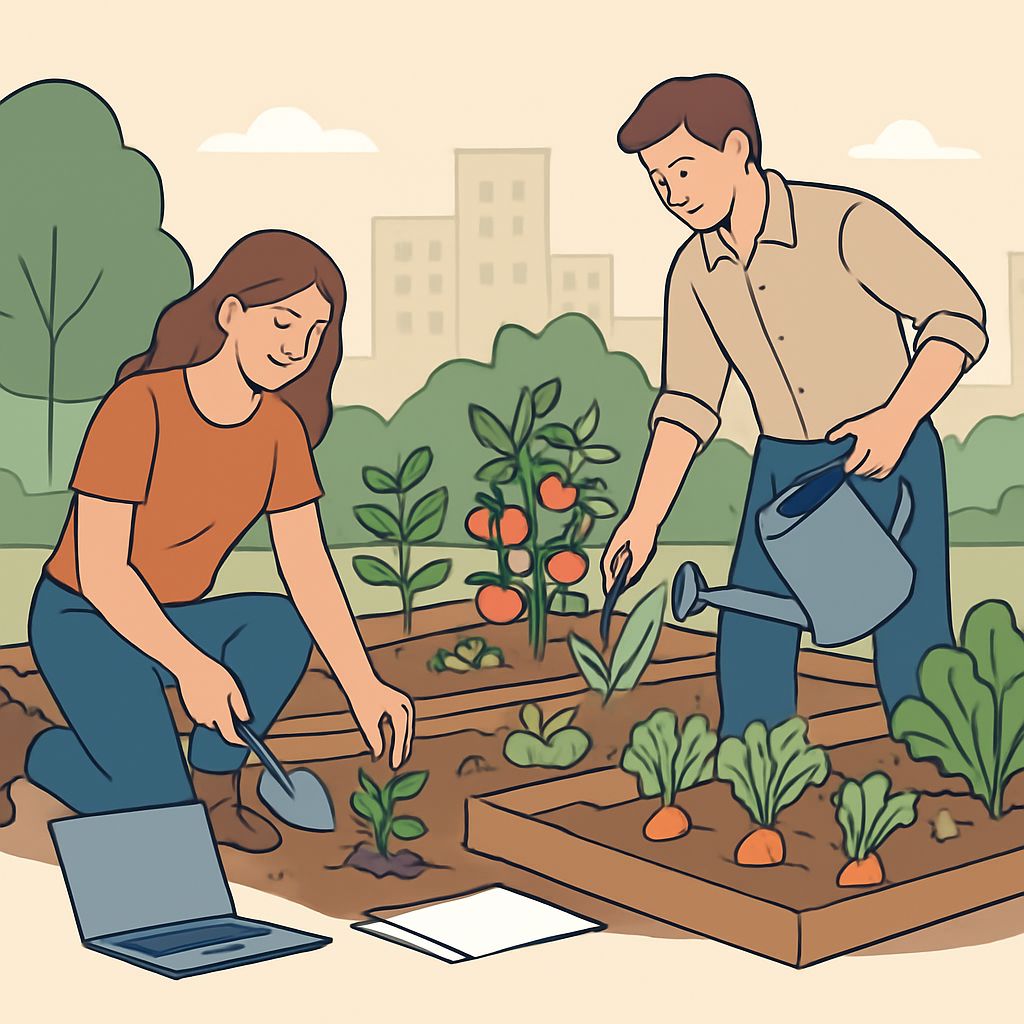
Common Companion Plant Pairings
Herbs offer excellent benefits when paired with vegetables.
Companion planting among vegetables improves overall yield.
Growing flowers alongside vegetables boosts biodiversity.
Herbs
Basil complements tomatoes, enhancing their flavor and growth.
Moreover, rosemary deters harmful insects from nearby plants.
Thyme can attract pollinators, boosting vegetable production.
Additionally, mint can repel pests effectively.
Vegetables
Carrots and onions grow well together by confusing pests.
Beans enrich soil nitrogen, benefiting adjacent plants.
Coronilla improves the growth of cabbages when planted nearby.
Furthermore, radishes can deter pests from squash plants.
Showcase Your Farming Business
Publish your professional farming services profile on our blog for a one-time fee of $200 and reach a dedicated audience of farmers and agribusiness owners.
Publish Your ProfileFlowers
Marigolds naturally repel nematodes and other harmful insects.
Sunflowers provide support for climbing plants, like peas.
Additionally, nasturtiums can deter aphids and improve growth.
Also, zinnias attract pollinators to the garden.
Uncover the Details: DIY Garden Projects for Pollinator-Friendly Gardens
Companion Planting Techniques
Companion planting enhances growth through strategic plant pairing.
This technique can maximize space and prevent pests.
Different plants can improve each other’s health and yield.
Choosing the Right Plant Combinations
Select compatible plants to achieve optimal garden results.
Tomatoes and basil grow well together and often pair in gardens.
Carrots and onions can deter pests naturally when planted nearby.
Implementing Companion Planting
Begin by planning your garden layout carefully.
Position taller plants to shade smaller plants when shade benefits growth.
This arrangement ensures each plant receives adequate sunlight during growth.
Monitoring Plant Growth
Regularly check the growth of your companion plants.
Look for signs of stress such as yellowing leaves.
Address any issues promptly to maintain plant health.
Seasonal Considerations
Timing is crucial for successful companion planting.
Consider seasonal growth patterns when planning plantings.
For example, plant cool-season crops in spring and in fall.
Harvesting Techniques
Carefully harvest crops to avoid damaging companion plants.
Use sharp tools to make a clean cut and promote regrowth.
Also, gather produce during cooler times of the day to preserve freshness.
Troubleshooting Companion Planting
Regular inspections help identify pests early.
Prevention is key to successful companion planting.
Diseases can spread quickly in a garden.
Identifying Common Pests
Look for signs of damage on your plants.
Common pests include aphids, spider mites, and caterpillars.
Each pest has specific indicators to watch for.
For instance, aphids appear as tiny green or black specks.
In contrast, spider mites produce fine webbing.
Implementing Preventive Measures
Certain plants deter pests naturally.
Plant marigolds to repel nematodes and aphids.
Consider using basil to ward off flies and mosquitoes.
Additionally, garlic can deter a variety of pests.
Managing Diseases Effectively
Look for discolored leaves and unusual growth patterns.
Common plant diseases include powdery mildew and root rot.
To minimize risks, practice crop rotation annually.
Furthermore, avoid overhead watering to reduce humidity.
Natural Remedies for Pests and Diseases
Natural remedies can effectively control pests.
Showcase Your Farming Business
Publish your professional farming services profile on our blog for a one-time fee of $200 and reach a dedicated audience of farmers and agribusiness owners.
Publish Your ProfileFor example, neem oil works well against many pest varieties.
Additionally, a soap spray can help eliminate aphids.
For diseases, consider using baking soda as a preventive measure.
This approach can help treat powdery mildew when applied as a spray.
Encouraging Beneficial Insects
Beneficial insects play a vital role in pest management.
Ladybugs consume aphids and help maintain balance.
Moreover, lacewings assist in controlling pest populations.
Planting flowers like dill and coriander can attract these beneficial insects.
Thus, fostering a diverse garden increases natural predation.


