




Understanding the Importance of Pollinators in Gardening
Role of Pollinators in Ecosystems
Pollinators play a crucial role in maintaining healthy ecosystems.
They transfer pollen between flowers, enabling plant reproduction.
Without pollinators, many plants cannot produce fruits or seeds.
Consequently, pollinators support biodiversity and food webs.
Additionally, they help sustain wild plants and cultivated crops alike.
Impact of Pollinators on Food Production
Pollinators contribute significantly to global food security.
They affect nearly 35% of the world’s crop production.
Many favorite fruits, vegetables, and nuts depend on pollination.
For example, blueberries, almonds, and apples require pollinator activity.
Thus, gardeners supporting pollinators improve their garden’s productivity.
Threats Facing Pollinator Populations
Pollinators face numerous threats worldwide.
Habitat loss reduces the availability of food and nesting sites.
Moreover, pesticide use can poison beneficial insects directly.
Climate change disrupts pollinators’ migration and breeding patterns.
Consequently, many pollinator species are declining rapidly.
Transform Your Agribusiness
Unlock your farm's potential with expert advice tailored to your needs. Get actionable steps that drive real results.
Get StartedBenefits of Supporting Pollinators in Your Garden
Gardens that attract pollinators become more vibrant and productive.
They encourage diverse wildlife and improve overall plant health.
Pollinator-friendly gardens also promote natural pest control.
For instance, bees, butterflies, and hummingbirds add beauty and life.
Ultimately, supporting pollinators fosters a sustainable gardening environment.
Choosing the Right Plants for a Pollinator-Friendly Garden
Understanding Pollinator Needs
Pollinators require a diverse source of nectar and pollen throughout the seasons.
Planting a variety of flowers ensures continuous food supply.
Native plants support local pollinator species best.
Prioritize indigenous plants in your garden.
Avoid plants treated with harmful pesticides or chemicals.
Selecting Plants with Different Bloom Times
Choose plants that bloom at various times from spring to fall.
This provides nourishment for pollinators during their active months.
Include early-blooming crocuses and late-blooming asters.
Your garden remains a reliable food source throughout the year.
Incorporating a Mix of Flower Shapes and Colors
Pollinators are attracted to different flower shapes and colors.
Include open, tubular, and clustered flowers to attract various insects.
Bright colors like yellow, purple, and blue draw bees and butterflies effectively.
Red flowers primarily attract hummingbirds.
A colorful, varied garden maximizes pollinator visits.
Creating Habitat Variety with Shrubs and Trees
Shrubs and trees offer shelter and food for pollinators besides flowers.
Plant flowering shrubs like serviceberry or spicebush to support bees and butterflies.
Fruit trees such as apple and cherry produce blossoms attractive to many pollinators.
Structural diversity supports nesting and resting sites.
Recommended Pollinator-Friendly Plants
Here are some excellent choices to start your pollinator-friendly garden:
Showcase Your Farming Business
Publish your professional farming services profile on our blog for a one-time fee of $200 and reach a dedicated audience of farmers and agribusiness owners.
Publish Your Profile- Wild bergamot (Monarda fistulosa)
- Black-eyed Susan (Rudbeckia hirta)
- Milkweed (Asclepias syriaca)
- Blue vervain (Verbena hastata)
- Goldenrod (Solidago spp.)
- Butterfly bush (Buddleja davidii)
These plants provide rich nectar and support a variety of pollinators.
Tips for Sourcing and Planting
Purchase plants from nurseries specializing in native and organic plants.
Consider seed companies that focus on pollinator-friendly species.
Group similar species together to make nectar sources easier to find when planting.
Water new plants gently and mulch to retain moisture and reduce weeds.
Avoid using chemical herbicides and pesticides around your pollinator garden.
Creating Native Plant Habitats
Importance of Native Plants for Pollinators
Native plants provide essential food and shelter for local pollinators.
They have evolved alongside native bees, butterflies, and birds.
Therefore, native plants support the life cycle of pollinators effectively.
Moreover, they require less water and maintenance in your garden.
Consequently, they contribute to a sustainable and thriving ecosystem.
Choosing the Right Native Plants
Start by researching plants that thrive naturally in your region.
Local botanical gardens and extension services provide valuable guidance.
Focus on species that bloom at different times for continuous nectar supply.
Include a mix of flowering perennials, shrubs, and grasses.
Additionally, select plants that offer pollen and nectar as food sources.
Preparing Your Garden for Native Plants
First, clear invasive species that compete with native plants.
Next, improve soil conditions by adding organic matter if needed.
Then, create planting zones that mimic natural habitats like meadows or woodlands.
Remember to leave bare patches for ground-nesting pollinators to thrive.
Also, avoid using pesticides that harm beneficial insects.
Planting and Maintaining Native Habitats
Plant native species during appropriate seasons for best growth.
Water your plants regularly until they establish strong roots.
Mulch around plants to conserve moisture and suppress weeds.
Prune dead stems in late winter to encourage healthy regrowth.
Observe and document pollinator activity to enhance your garden’s design.
Enhancing Pollinator Habitats Beyond Plants
Provide additional habitat features like logs and rocks for shelter.
Install bee hotels to support solitary bee species.
Incorporate water sources such as shallow dishes with pebbles.
Encourage neighbors and community groups to create pollinator habitats.
Ultimately, these actions increase local biodiversity and garden health.
Learn More: Vertical Farming for Greenhouse Crop Optimization
DIY Bee Hotels: Instructions and Benefits for Pollinator Support
Purpose of Bee Hotels
Bee hotels provide safe nesting spaces for solitary bees and other pollinators.
These habitats support native pollinator populations effectively in urban and rural gardens.
Moreover, they help increase local biodiversity and plant pollination success.
Materials Needed for Building a Bee Hotel
Choose untreated hardwood like oak or cedar for the main structure.
Gather plant stems such as bamboo, reed, or hollow grasses for nesting tubes.
Additionally, you will need a small saw, drill, sandpaper, and non-toxic wood glue.
Using natural materials is essential to avoid harming the bees.
Step-by-Step Construction Instructions
Cut the wood board into a rectangular block around 20cm long and 10cm wide.
Showcase Your Farming Business
Publish your professional farming services profile on our blog for a one-time fee of $200 and reach a dedicated audience of farmers and agribusiness owners.
Publish Your ProfileDrill multiple holes of varying diameters, between 3mm and 10mm, about 7cm deep.
Sand the edges of the holes lightly to prevent injury to the bees.
Next, cut bamboo or reed stems to lengths of 10cm to fit in the drilled holes or create bundles.
Bundle the plant stems tightly, securing them with non-toxic glue or twine.
Insert the bundled stems into a shallow wooden box or frame for extra protection.
Attach a sturdy backboard to keep the entire hotel stable and easy to mount.
Ideal Placement and Maintenance
Mount the bee hotel facing southeast or east to capture morning sunlight efficiently.
An ideal height is between one and two meters above ground level.
Place it near flowering plants and away from strong winds and heavy rain.
Regularly inspect the hotel to remove any moldy or damaged stems in late autumn.
Store the hotel in a frost-free area during harsh winter months to protect the nesting cells.
Benefits for Pollinator Support
Providing nesting sites increases solitary bee populations and helps native species thrive.
Consequently, pollination rates for garden fruits and vegetables improve significantly.
Furthermore, these hotels encourage natural pest control by promoting healthy ecosystems.
Supporting pollinators also contributes to broader environmental resilience against habitat loss.
Lastly, building bee hotels offers gardeners an engaging way to connect with nature.
Gain More Insights: Vertical Farming for Organic Food Production in the USA
Building Insect Hotels
Design Principles for Effective Insect Hotels
Designing an insect hotel requires understanding the needs of beneficial insects.
Choose a sheltered location that protects the structure from heavy rain and strong winds.
Ensure the hotel has various compartments to accommodate different insect species.
Use natural materials and avoid chemical treatments to keep the hotel safe for insects.
Incorporate different shapes and sizes of tunnels and cavities to attract diverse insects.
Finally, position the hotel facing south or southeast to maximize sunlight exposure.
Materials Suitable for Attracting Beneficial Insects
Use untreated wood as the main frame to provide durability and a natural appearance.
Bamboo canes and hollow stems offer perfect nesting tubes for solitary bees.
Dry plant stems, such as elderberry or rose canes, add variety and shelter options.
Hollow bricks and small terracotta pots provide warm, dark refuge spots.
Fill some compartments with straw, pine cones, or shredded bark to attract lacewings and ladybugs.
Additionally, placing dead wood logs with drilled holes helps solitary bees and beetles.
Steps to Build and Maintain Your Insect Hotel
Start by constructing a sturdy wooden frame, ensuring all edges are smooth and safe.
Next, arrange your chosen materials into separate compartments within the frame.
Secure loose materials tightly to prevent them from falling out during windy weather.
Mount the hotel at least one meter above ground to protect from predators.
Check the structure annually for damage or mold, replacing materials as needed.
Regular cleaning is unnecessary, but remove debris during early spring to prepare for new residents.
Explore Further: Indoor Gardening Advantages for Reducing Grocery Costs Sustainably
Water Features in Pollinator Gardens
Benefits of Water Features
Water features provide essential hydration for pollinators like bees and butterflies.
They create a microhabitat that supports a diverse garden ecosystem.
Moreover, water attracts birds and beneficial insects that help control pests.
Water sources improve pollinator survival during hot and dry weather.
Showcase Your Farming Business
Publish your professional farming services profile on our blog for a one-time fee of $200 and reach a dedicated audience of farmers and agribusiness owners.
Publish Your ProfileAdditionally, they enhance the aesthetic appeal and tranquility of your garden.
DIY Water Feature Options for Pollinator Gardens
Shallow Dishes and Containers
Use shallow dishes filled with fresh water as an easy water source.
Place small stones inside to provide landing spots for pollinators.
Regularly change the water to prevent mosquito breeding.
Natural Puddling Areas
Create shallow, muddy patches where butterflies can extract minerals.
Mix soil with sand to retain moisture while allowing drainage.
Position these areas in sunny spots to encourage frequent visits.
Birdbaths with Pollinator Focus
Select birdbaths with wide, shallow basins for safe pollinator access.
Add a few flat stones for insects to land on above the water level.
Keep the water clean and fresh to attract consistent visitors.
Miniature Ponds
Install small ponds with gradual edges to ensure easy pollinator entry.
Incorporate native aquatic plants to provide shelter and food sources.
Use a solar-powered water pump to keep water circulating and oxygenated.
Maintenance Tips for Water Features
Clean water features weekly to avoid algae and mosquito larvae buildup.
Ensure water is available year-round, adapting to seasonal changes.
Monitor for debris that could block water access for pollinators.
Use rainwater or collected water when possible to reduce chemical exposure.
Regular maintenance encourages continuous pollinator visits and garden health.
See Related Content: Improving Rabbit Housing For Efficient Breeding And Disease Prevention
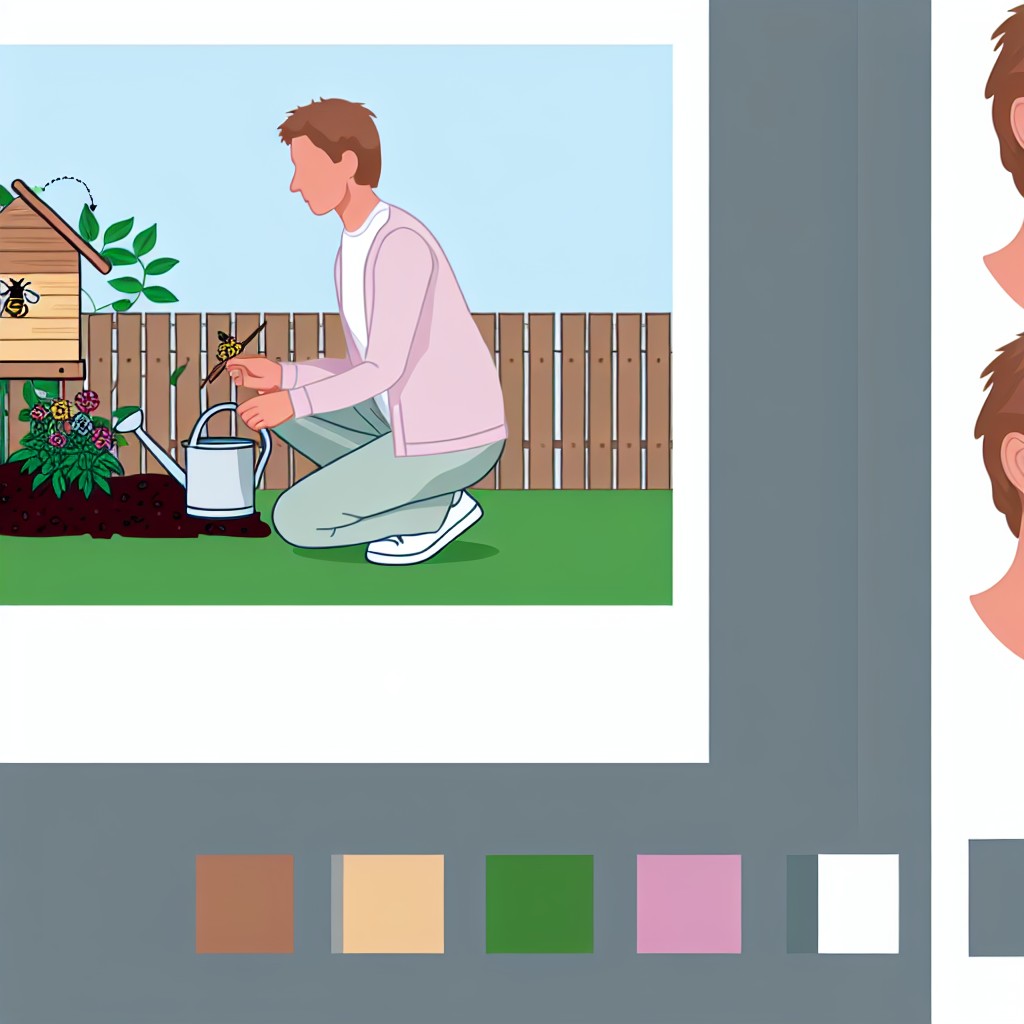
Using Upcycled Materials for Garden Borders and Nesting Sites
Creating Pollinator-Friendly Garden Borders
Upcycled materials give garden borders a unique and sustainable touch.
They help define spaces while providing habitats for beneficial insects.
For example, reclaimed wood planks create rustic and charming garden edges.
Alternatively, old bricks or broken pottery can form colorful, textured borders.
Furthermore, using natural materials attracts pollinators by blending with the environment.
Recycled plastic containers can also be transformed into vibrant plant holders.
This approach reduces waste and saves money on garden supplies.
Besides aesthetics, these borders protect pollinator plants from foot traffic.
Gardeners like Emily Thompson embrace these ideas to enhance their native flower beds.
Building Nesting Sites with Salvaged Materials
Pollinators need safe nesting sites to thrive in your garden.
Upcycled materials offer excellent options for creating these habitats.
Old wooden pallets can be turned into insect hotels filled with twigs and straw.
Additionally, hollow stems from pruned plants serve as ideal nesting tubes.
Broken clay pots stacked together make cozy shelters for solitary bees.
It is important to place these sites in sheltered, sunny spots for best results.
Gardeners like Marcus Rivera design creative pollinator homes from salvaged resources.
Moreover, these projects encourage wildlife while promoting environmental responsibility.
Tips for Selecting and Preparing Upcycled Materials
Choose materials that are non-toxic and free of harmful chemicals.
Clean reclaimed wood thoroughly to remove insects or dirt.
Sand rough edges to prevent pollinators from getting injured.
Ensure materials are sturdy and can withstand outdoor weather conditions.
Showcase Your Farming Business
Publish your professional farming services profile on our blog for a one-time fee of $200 and reach a dedicated audience of farmers and agribusiness owners.
Publish Your ProfileUse natural twine or biodegradable glue to assemble nesting structures.
Regularly inspect and maintain the materials to keep them safe and effective.
By repurposing creatively, gardeners like Sofia Martinez contribute to eco-friendly pollinator habitats.
Environmental and Community Benefits of Upcycled Materials
Upcycling conserves resources and limits garden waste dramatically.
It adds personality and sustainability without sacrificing functionality.
These materials often cost less than commercial garden products.
They inspire innovative gardening ideas and community sharing.
Most importantly, they support the survival of essential pollinator species.
Residents in towns like Cedarville find joy and purpose in these green projects.
Ultimately, using upcycled materials connects gardeners with nature and their neighborhoods.
Crafting Bee Balm and Other Nectar-Rich Flower Arrangements
Choosing the Right Plants for Pollinators
Start by selecting plants that produce abundant nectar and pollen.
Bee balm works wonderfully because it attracts bees, butterflies, and hummingbirds.
Additionally, consider plants like coneflowers, goldenrod, and milkweed for variety.
These plants bloom at different times to ensure continuous food supply.
Moreover, opt for native species, as they thrive naturally in your region.
Preparing Your Garden Bed
Choose a sunny spot that receives at least six hours of sunlight daily.
Then, clear the area of weeds and debris to reduce competition.
Next, loosen the soil using a garden fork or tiller for better root growth.
Enrich the soil by mixing in organic compost or aged manure.
This preparation encourages healthy plant development and flower production.
Planting and Arranging Bee Balm
Space bee balm plants about 18 to 24 inches apart to allow air circulation.
Place taller plants towards the back and shorter ones in front for visual appeal.
Mix different colors and heights to create an inviting landscape for pollinators.
Water your plants immediately after planting to help them establish.
Regular watering is essential, especially during dry spells in summer.
Creating Complementary Nectar-Rich Flower Combinations
Combine bee balm with other nectar-rich flowers like black-eyed Susans and asters.
Arrange plants that bloom sequentially to provide food throughout the growing season.
Incorporate herbs such as lavender and thyme for added fragrance and pollinator attraction.
This diversity supports a wider range of pollinator species in your garden.
Maintaining and Enhancing Your Pollinator Garden
Deadhead spent blooms regularly to encourage new flower growth.
Avoid using pesticides or herbicides that can harm beneficial insects.
Mulch around plants to retain moisture and suppress unwanted weeds.
In spring, divide crowded bee balm clumps to keep plants healthy and vigorous.
Finally, observe your garden often to learn which flowers pollinators prefer most.
Environmental Benefits of DIY Pollinator Projects
Enhancing Biodiversity in Your Garden
DIY pollinator projects help increase biodiversity in gardens and local ecosystems.
They provide essential habitats for bees, butterflies, and other beneficial insects.
Moreover, these projects support a wider variety of plant and animal species.
Consequently, your garden becomes a thriving ecosystem that balances itself naturally.
In turn, this biodiversity improves pollination rates for nearby plants and crops.
Supporting Pollinator Health and Survival
Pollinator populations face threats from pesticide use and habitat loss.
Showcase Your Farming Business
Publish your professional farming services profile on our blog for a one-time fee of $200 and reach a dedicated audience of farmers and agribusiness owners.
Publish Your ProfileDIY projects create safe spaces free from harmful chemicals and disturbances.
Additionally, planting native flowers offers nutritious food sources throughout the seasons.
These efforts help strengthen pollinator communities and boost their resilience.
They also contribute to preserving essential species like honeybees and monarch butterflies.
Promoting Soil and Air Quality
Pollinator-friendly gardens often use organic gardening techniques that improve soil health.
Healthy soil retains moisture better and reduces erosion caused by wind and water.
Furthermore, flowering plants in these gardens absorb CO2 and release oxygen.
As a result, air quality around your home can improve significantly over time.
Implementing composting and natural fertilizers in DIY projects supports these benefits.
Reducing Carbon Footprint Through Local Gardening
Growing pollinator-friendly plants locally reduces the need for transported produce.
This practice lowers greenhouse gas emissions linked to food distribution chains.
Also, it cuts down on fuel use for pesticides and commercial fertilizers.
By choosing native plants, gardeners reduce water consumption and chemical inputs.
Therefore, DIY pollinator projects actively help mitigate climate change effects.
Encouraging Community Engagement and Environmental Stewardship
DIY pollinator gardens inspire neighbors and community members to take action.
Collaborative projects foster a shared responsibility for protecting pollinators.
They raise awareness about environmental challenges and practical solutions.
This community involvement leads to more sustainable practices in surrounding areas.
Ultimately, these efforts contribute to broader conservation goals and healthier environments.
Community Engagement: Collaborating with Neighbors for Pollinator Gardens
Building Connections to Support Pollinators
Engaging with neighbors creates a stronger community impact for pollinator-friendly gardens.
Start by hosting neighborhood meetings to discuss shared gardening goals.
This approach encourages open communication and idea sharing among residents.
Moreover, joint efforts can lead to larger habitat areas for pollinators.
Therefore, collaboration benefits both individual gardens and the local ecosystem.
Organizing Collaborative Garden Projects
Coordinate group planting days to build pollinator habitats together.
Invite local experts, like Laura McKenzie, a horticulturist, for workshops.
Such events provide valuable knowledge and foster community spirit.
Additionally, pooling resources lowers individual costs for garden materials.
Consider creating shared composting systems to enhance soil health collectively.
Sharing Resources and Knowledge
Establish a neighborhood seed library with pollinator-friendly plant varieties.
Residents can exchange seeds from milkweed, lavender, and coneflowers.
This practice diversifies plantings and supports native pollinators.
Furthermore, share gardening tips through online groups or newsletters.
Effective communication keeps everyone motivated and informed about best practices.
Creating Pollinator Pathways Across Properties
Link individual gardens with pollinator corridors to promote butterfly and bee travel.
Work with neighbors to plant continuous rows of nectar-rich flowers.
This connectivity improves pollinator movement and increases biodiversity.
Local landscapers like Greenfield Gardens can assist in pathway planning.
Strategic planting amplifies the environmental benefits of each garden.
Additional Resources
The Importance of Pollinators – USDA
Showcase Your Farming Business
Publish your professional farming services profile on our blog for a one-time fee of $200 and reach a dedicated audience of farmers and agribusiness owners.
Publish Your ProfileCommunity Agriculture: Concepts, Models, and Impacts | USU


