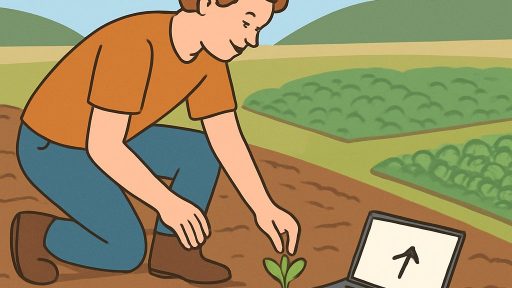




Introduction to Permaculture and Its Principles
Permaculture is a design system that mimics natural ecosystems.
It focuses on sustainable and self-sufficient agricultural practices.
Farmers and gardeners use permaculture to create resilient landscapes.
What Is Permaculture?
It integrates land, resources, people, and the environment harmoniously.
Permaculture relies on several key principles to guide its designs.
First, it emphasizes observing and interacting with nature carefully.
Core Principles of Permaculture
Next, it encourages capturing and storing energy effectively on the farm.
Additionally, it advocates for using renewable resources strategically.
It also promotes producing no waste by recycling materials and nutrients.
Furthermore, permaculture values integrating rather than segregating different elements.
It supports using small and slow solutions to build resilience over time.
Another principle is valuing diversity to increase stability and productivity.
Lastly, it encourages creatively using and responding to change in the system.
Benefits of Applying Permaculture Principles
Applying permaculture principles improves soil health naturally.
It enhances biodiversity within agricultural systems significantly.
Transform Your Agribusiness
Unlock your farm's potential with expert advice tailored to your needs. Get actionable steps that drive real results.
Get StartedMoreover, it reduces dependence on synthetic inputs and fossil fuels.
Farmers experience greater resilience against pests and climate changes.
Therefore, it supports long-term productivity and ecological balance.
Understanding Soil Health: Importance and Benefits
Soil forms the foundation of terrestrial ecosystems.
Healthy soil improves crop yields and food quality.
Good soil management restores nutrients naturally over time.
Role of Soil in Ecosystems
It supports plant growth by providing essential nutrients.
Moreover, soil acts as a natural filter for water.
It also hosts countless microorganisms critical for nutrient cycling.
Thus, healthy soil sustains biodiversity above and below ground.
Importance of Maintaining Soil Health
It enhances soil structure, reducing erosion risks.
Additionally, it increases water retention and availability.
Healthy soil balances ecosystems by supporting beneficial organisms.
Consequently, it reduces the need for synthetic fertilizers and pesticides.
Benefits of Good Soil Management
It improves carbon storage, helping combat climate change.
Farmers experience long-term economic savings from healthier soils.
Healthy soil promotes resilience against droughts and floods.
Therefore, sustainable soil practices protect future agricultural productivity.
Indicators of Soil Health
Soil health reflects in its color, texture, and structure.
High organic matter content indicates active microbial life.
Good soil shows appropriate moisture levels and porosity.
Stable soil aggregates prevent compaction and enhance root growth.
Regular soil testing helps monitor nutrient balance and pH levels.
The Role of Crop Rotation in Permaculture Systems
Crop rotation plays a vital role in maintaining soil fertility within permaculture.
Showcase Your Farming Business
Publish your professional farming services profile on our blog for a one-time fee of $200 and reach a dedicated audience of farmers and agribusiness owners.
Publish Your ProfileRotating crops also disrupts pest and disease cycles naturally.
Different crop root systems influence soil structure and long term health.
Enhancing Soil Fertility
It prevents nutrient depletion by alternating crops with diverse nutrient needs.
Consequently, this practice reduces the need for synthetic fertilizers.
Improved soil fertility supports healthy plant growth and ecosystem balance.
Controlling Pests and Diseases
Rotating crops makes it difficult for pests that specialize on one crop to thrive.
As a result, this method lowers reliance on chemical pesticides significantly.
Moreover, rotation promotes beneficial insects by providing varied habitats.
Supporting Soil Structure and Microbial Life
Deep rooted plants break compacted layers and improve soil aeration.
Conversely, shallow rooted crops protect topsoil from erosion effectively.
Additionally, diverse root exudates feed a broad range of soil microorganisms.
Implementing Effective Rotation Strategies
Successful rotation strategies consider plant family and nutrient requirements.
Avoid planting the same family consecutively to reduce disease risk.
Integrate green manures and cover crops to maintain soil cover and nutrients.
Plan rotations based on climatic conditions and local ecosystem needs.
Consistent monitoring helps adapt the rotation plan for optimal results.
See Related Content: Seasonal Gardening for No-Till Farmers
Selecting Complementary Crops for Rotational Planting
This section explains how to choose complementary crops for rotational planting.
It covers benefits, plant family roles, ideal pairings, rotation planning, and cover crops.
Follow the subsections for clear, practical guidance.
Benefits of Complementary Crop Selection
Complementary crops can improve soil fertility through natural processes.
They also limit pest and disease accumulation in planting areas.
Also, these crops contribute to a more diverse farm ecosystem.
Understanding Plant Families and Their Roles
Rotate among plant families to achieve effective crop rotation results.
For example, legumes fix nitrogen and enrich the soil.
Then plant leafy greens to use those added nutrients efficiently.
Root vegetables also improve soil aeration by breaking up compaction.
Identifying Ideal Crop Pairings
Pair nitrogen-fixing plants with heavy feeders to maintain nutrient balance.
Plant beans or peas before nutrient-demanding crops like corn or tomatoes.
Then follow root crops with leafy greens such as spinach or lettuce.
Also, rotate grains with legumes to avoid soil nutrient depletion.
Planning Rotational Cycles
Design a planned sequence that rotates crops by family and nutrient needs.
Avoid planting the same crop in the same spot for several seasons.
This practice reduces disease risk and helps restore soil health.
Also, use maps or garden journals to record past plantings accurately.
Change the rotation if soil conditions or pest pressures change.
Incorporating Cover Crops and Green Manures
Include cover crops such as clover or vetch to fix nitrogen during rest periods.
Also, green manures add organic matter and improve soil structure.
They reduce erosion and help suppress weeds between main crops.
Consequently, these crops prepare soil effectively for the next planting group.
Showcase Your Farming Business
Publish your professional farming services profile on our blog for a one-time fee of $200 and reach a dedicated audience of farmers and agribusiness owners.
Publish Your ProfileRegular integration of cover crops supports long-term soil health.
Explore Further: Seasonal Companion Planting Guide for Year-Round Harvests
Implementing a Crop Rotation Schedule
Timely crop rotation helps maintain healthy soil.
Plan rotations at the end of each growing season.
Consider seasonal and local climate patterns when scheduling rotations.
Timing of Crop Rotation
Rotate crops at the end of each growing season.
Doing so prevents nutrient depletion and disease buildup in soil.
Observe seasonal changes to select the best planting periods.
Spring and fall often offer optimal conditions for switching crops.
Frequency of Rotation
Rotate crops regularly to sustain soil fertility and biodiversity.
Many gardeners rotate crops every one to three years.
Doing this disrupts pest and pathogen life cycles effectively.
Adjust rotation frequency based on crop type for best results.
Developing a Crop Rotation Plan
Create a plan that maps crop placement across multiple seasons.
Begin by grouping crops by nutrient needs and plant families.
Alternate deep rooted and shallow rooted plants to balance soil structure.
Also include cover crops to protect and enrich soil during fallow periods.
Monitoring and Adjusting the Schedule
Regularly check soil quality to evaluate rotation effectiveness.
Test nutrient levels and organic matter content each season.
Watch plant health for signs of nutrient deficiency or disease.
Adjust the rotation schedule promptly based on those observations.
Consult local agricultural extension agents when you need expert advice.
Keep detailed records to help refine future rotation strategies.
Delve into the Subject: Indoor Gardening Trends for Sustainable and Eco-Friendly Urban Farming

Integrating Cover Crops and Green Manures in Rotation
Cover crops play a vital role in maintaining soil fertility.
They prevent soil erosion by protecting the surface from wind and rain.
Consequently, they create a more resilient and fertile growing environment.
Benefits of Cover Crops for Soil Health
Cover crops increase organic matter and enhance soil structure.
They also help suppress weeds by outcompeting undesirable plants.
Additionally, cover crops improve water retention during dry periods.
Types of Cover Crops and Green Manures
Farmers can select cover crops based on specific soil needs.
Leguminous cover crops such as clover and vetch fix atmospheric nitrogen.
Nonleguminous options include rye, oats, and buckwheat to build organic matter.
Green manures decompose rapidly, adding nutrients when incorporated.
Strategies for Effective Integration in Crop Rotation
Rotate cover crops seasonally to maximize benefits and avoid nutrient depletion.
Plant legumes after heavy feeders like corn or tomatoes to restore nitrogen.
Follow deep-rooted cereals with shallow-rooted cover crops for balanced soil use.
Incorporate green manures by tilling them into soil before planting cash crops.
Use multiple species in one cover crop mix to improve biodiversity.
Best Practices for Growing and Managing Cover Crops
Choose cover crop varieties suited to your region’s climate and soil.
Showcase Your Farming Business
Publish your professional farming services profile on our blog for a one-time fee of $200 and reach a dedicated audience of farmers and agribusiness owners.
Publish Your ProfileEstablish cover crops early to ensure robust growth before the next planting.
Monitor moisture levels carefully to support growth without water stress.
Terminate cover crops at the right time to avoid competition with subsequent crops.
Incorporate residues into soil promptly to maximize nutrient cycling.
Maintain diverse rotations to protect against pests and diseases naturally.
Examples from Permaculture Practitioners
Green Haven Farms uses crimson clover to replenish nitrogen in vegetable beds.
They combine rye and hairy vetch to enhance organic matter and prevent erosion.
Sun Valley Homestead plants buckwheat as a fast growing green manure to suppress weeds.
They incorporate mustard cover crops in winter to improve soil tilth before spring planting.
These practices demonstrate practical benefits of integrating cover crops thoughtfully.
You Might Also Like: Sustainable Permaculture Techniques for Small Farmers
Managing Pests and Diseases through Crop Diversification
Crop diversity creates balanced ecosystems within the garden.
This balance increases overall resilience to environmental stressors.
Ultimately, crop diversification supports sustainable and healthy soil systems.
Enhancing Pest Resistance with Diverse Planting
By rotating crops, pests struggle to establish permanent populations.
Planting different species confuses pests and reduces disease spread.
Additionally, diverse crops attract beneficial insects that prey on pests.
This natural pest control minimizes the need for chemical interventions.
Breaking Disease Cycles in the Garden
Diverse crop sequences limit the buildup of soilborne diseases.
Pathogens linked to specific plants decline when those plants are absent.
Crop rotation with unrelated species suppresses disease reservoirs.
Consequently, healthier plants resist infections more robustly.
Implementing Effective Crop Diversification Strategies
Plan rotations based on plant families to reduce shared pests and diseases.
Include cover crops such as clover and vetch to enhance soil and deter pests.
Consult local permaculture experts like Mason Grove for tailored crop plans.
Benefits of Integrated Crop Diversification
Farmers report higher yields with fewer pest outbreaks.
Moreover, diversified cropping reduces reliance on synthetic pesticides.
Introducing legumes and brassicas improves soil health and disease resistance.
Evaluating Soil Nutrients: Testing and Amendment Strategies
Soil testing provides essential information about nutrient levels and soil health.
Regular testing helps gardeners and farmers make informed decisions.
Common methods include sending samples to a professional lab for analysis.
Alternatively, home test kits offer quick insights into pH and basic nutrient content.
Both approaches guide appropriate amendment and crop rotation strategies.
Understanding Soil Testing Methods
Collecting Soil Samples Properly
Collect soil samples from multiple spots across the growing area.
Use a clean trowel or soil probe to avoid cross-contamination.
Samples should come from the root zone, usually six to eight inches deep.
Mix soil thoroughly in a clean container before sending it for analysis.
This process ensures a representative sample for accurate testing results.
Interpreting Soil Test Results
Soil reports indicate levels of nitrogen, phosphorus, potassium, and micronutrients.
They also include pH values that affect nutrient availability to plants.
Showcase Your Farming Business
Publish your professional farming services profile on our blog for a one-time fee of $200 and reach a dedicated audience of farmers and agribusiness owners.
Publish Your ProfileUnderstanding these results helps identify nutrient deficiencies or excesses.
Experts like Dr. Laura Mason recommend integrating these insights into rotation plans.
Adjusting soil amendments based on data improves long-term soil fertility.
Strategies for Soil Amendment
Incorporate organic matter such as compost to enhance nutrient content.
Apply lime to raise soil pH if the test shows acidity issues.
Use sulfur or other acidifying agents to lower pH when necessary.
Introduce cover crops like clover to fix nitrogen naturally in the soil.
Employ green manures to rebuild depleted nutrients between main crops.
Monitoring Soil Health Over Time
Test soil regularly, ideally every two to three years, for ongoing assessment.
Keep detailed records of soil test results and amendment practices.
This tracking enables adaptive management of soil nutrition and health.
Collaboration with local extension services can improve testing accuracy.
Consistent monitoring supports sustainable crop production and ecosystem balance.