



Increasing Climate Disasters and Agricultural Risk
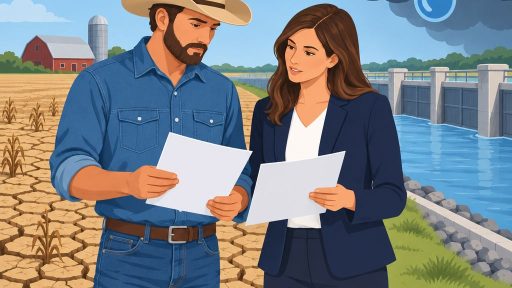
Climate disasters now affect farming regions worldwide with increasing frequency.
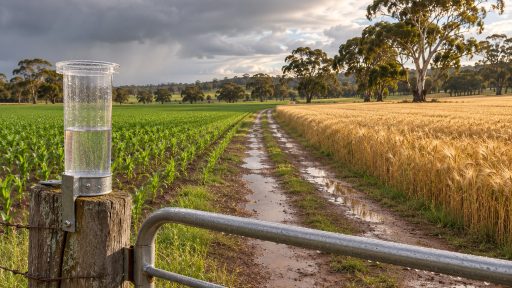
Droughts, floods, and storms can severely reduce crop yields.
Moreover, shifting seasons disrupt traditional farming schedules and practices.
Consequently, farmers and landowners face greater uncertainty when planning investments.
Climate Disruptions and Agricultural Productivity
These disruptions reduce soil fertility and damage essential agricultural infrastructure.
For example, floods erode topsoil and remove seeds and nutrients.
Meanwhile, droughts restrict water supplies, stressing crops and lowering productivity.
As a result, fluctuating output increases economic risks for farmland owners.
Preparing Farmland for Climate Challenges
Therefore, farmland owners must prepare proactively for emerging climate challenges.
Timely adaptation can reduce losses and protect long-term farm viability.
Additionally, resilience planning supports stable food supplies and rural economies.
Understanding these risks remains essential for every agricultural stakeholder.
The Economic Impact of Climate Disasters on Farmland Owners
Climate disasters increasingly threaten farmland across the country.
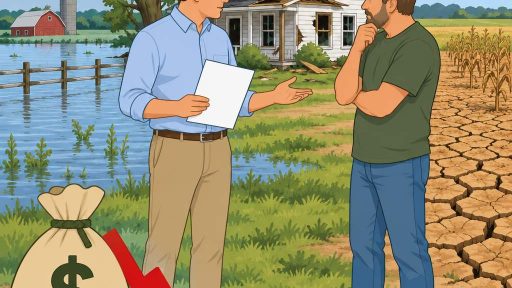
For example, Rebecca Mason faced severe flooding on her Iowa farm in 2023.
Her crop losses exceeded $350,000, which sharply reduced her annual revenue.
Transform Your Agribusiness
Unlock your farm's potential with expert advice tailored to your needs. Get actionable steps that drive real results.
Get StartedMeanwhile, drought reduced James O’Connor’s Nebraska yields by 40 percent.
Regional drought losses have also increased sharply during the past decade.
These disasters directly damage crops, soil, and irrigation systems.
They also increase operating costs and reduce profitable acreage.
Consequently, farmers must invest more money in damage mitigation.
Insurance premiums for farmland are therefore rising rapidly.
Many landowners still struggle with uninsurable or underinsured losses.
Case Studies of Farm Financial Consequences
Flooding caused $120,000 in infrastructure repairs on Rebecca Mason’s farm.
She rebuilt irrigation systems and regraded fields to prevent further erosion.
By contrast, James O’Connor diversified crops to strengthen his farm’s resilience.
However, he spent $50,000 on supplemental water systems during dry spells.
Severe hail also destroyed greenhouses at Green Valley Farms in Colorado.
The farm lost nearly $200,000 through damaged equipment and ruined harvests.
These cases demonstrate how climate events damage farm finances through several channels.
Lower yields, infrastructure repairs, and higher input costs all reduce profits.
Without adaptive strategies, farm owners face greater financial instability.
Statistical Trends Showing Growing Financial Risks
According to the USDA, climate-related crop losses reached $15 billion last year.
Nationwide annual losses increased by more than 30 percent between 2010 and 2023.
Flooding now represents nearly 45 percent of reported farmland damage claims.
Additionally, intensified droughts create multiyear revenue declines in many regions.
Insurance payouts for climate events have doubled during the past decade.
Long-term soil degradation also reduces farmland productivity.
Many farmers report input costs rising by up to 25 percent because of climate pressures.
These figures emphasize the urgent need for farmland owners to prepare.
Showcase Your Farming Business
Publish your professional farming services profile on our blog for a one-time fee of $200 and reach a dedicated audience of farmers and agribusiness owners.
Publish Your ProfileStrategies for Reducing Climate-Related Farm Losses
Some owners invest in climate-resilient crop varieties and advanced irrigation.
Others partner with agritech firms such as TerraGuard Solutions for risk assessments.
Many farmers adopt cover cropping to protect soil health during extreme weather.
Furthermore, farmland owners diversify their portfolios to distribute financial risk.
They also seek federal assistance programs that support disaster recovery.
Proactive planning reduces financial shocks and supports long-term farm viability.
Understanding Climate Change: Scientific Evidence and Projections for Agriculture
Scientists across multiple disciplines have documented consistent global temperature rise.
Greenhouse gas concentrations continue increasing, trapping heat in Earth’s atmosphere.
Consequently, Earth’s average temperature climbs alongside shrinking polar ice and rising sea levels.
Scientific Evidence of Climate Change
Dr. Elena Martinez at Greenfield Research Institute highlights increasing greenhouse gas concentrations.
These gases trap heat in the atmosphere, causing Earth’s average temperature to climb.
Moreover, satellite data confirms shrinking polar ice and rising sea levels.
University of Maplewood’s climate lab observes more frequent and intense weather extremes worldwide.
These changes closely align with human activities such as fossil fuel combustion and deforestation.
Projections for Agriculture’s Future
Climate models by Horizon Climate Analytics predict significant rainfall shifts across farming regions.
Consequently, droughts and flooding may become more frequent and severe.
Dr. Marcus Ling notes that these changes threaten crop yields and soil health.
At the same time, growing seasons may vary unpredictably, complicating planting schedules.
Furthermore, rising temperatures intensify pest and disease risks for crops.
Farmers like Lydia Kessler in the Midwest report earlier pest infestations disrupting harvests.
Implications for Farmland Management
Farm owners must adapt to an increasingly volatile climate to safeguard productivity.
Therefore, managers should integrate climate data into planting and irrigation plans.
Experts recommend diversifying crops and adopting resilient farming techniques.
For instance, agroforestry and cover cropping improve soil stability during extreme weather.
In addition, water-efficient technologies can help mitigate drought impacts.
Climate strategist Paul Reynolds advises farmers to share practices and resources.
By preparing proactively, farmland owners can reduce losses from future climate disasters.
Discover More: Real Estate Challenges of Farming in High-Risk Climate Zones
Common Types of Climate-Related Disasters Affecting Farmland
Climate-related disasters can damage crops, soil, livestock, and farm schedules.
Farmers face different threats because floods, droughts, and wildfires affect farmland in distinct ways.
Therefore, understanding each disaster helps farmland owners prepare appropriate responses.
Floods
Floods often devastate farmland by submerging crops and eroding soil.
Heavy rainfall and rising rivers trigger many flood events each year.
For example, Marcus Hamilton has faced significant losses from recent floods.
Additionally, floods can delay planting and harvesting schedules.
Standing water also encourages plant diseases and pests to flourish.
Thus, farmland owners must recognize floods as a critical threat to productivity.
Droughts
Droughts reduce water supplies needed for crops and livestock.
Moreover, extended dry spells have become increasingly common in many agricultural regions.
For example, rancher Elena Ruiz struggles to maintain her cattle during drought periods.
Showcase Your Farming Business
Publish your professional farming services profile on our blog for a one-time fee of $200 and reach a dedicated audience of farmers and agribusiness owners.
Publish Your ProfileWater shortages force farmers to adapt irrigation and soil management practices.
Consequently, droughts decrease yields and reduce income stability over time.
Farmers can prepare by diversifying crops and investing in water-efficient technologies.
Wildfires
Wildfires threaten farmland by destroying vegetation and contaminating soil resources.
In recent years, wildfire incidents have surged near agricultural communities.
For instance, farm owner Lucas Brennan experienced crop losses when flames approached his vineyards.
Smoke and ash can damage crops without flames directly touching farmland.
Additionally, wildfires increase soil erosion risks and harm long-term fertility.
Therefore, landowners should develop fire prevention and emergency response plans.
Learn More: Extreme Weather Patterns and Their Impact on Rural Property Values
Strategies for Preparing Farmland for Climate Resilience
Farmers can strengthen farmland against droughts, floods, storms, and shifting growing conditions.
These preparations combine healthier soil, efficient water use, resilient crops, and stronger infrastructure.
Furthermore, technology and community cooperation help farmers respond effectively to climate-related challenges.
Improving Soil Health
Healthy soil strengthens farmland against extreme weather events.
Farmers should regularly increase organic matter in their soil.
Meanwhile, cover crops reduce erosion and help soil retain moisture.
Moreover, crop rotation breaks pest cycles and replenishes nutrients.
Minimal tillage preserves soil structure and supports microbial life.
Implementing Water Management Techniques
Effective water management reduces damage from droughts and floods.
For example, retention ponds capture excess rainwater during storms.
Drip irrigation systems deliver water efficiently and minimize waste.
Additionally, buffer strips around fields protect nearby waterways.
Together, these measures maintain soil moisture and limit runoff.
Adopting Climate-Resilient Crop Varieties
Drought-tolerant and flood-resistant crops can increase farm stability.
For instance, Horizon Seeds offers varieties suited to changing climates.
Farmers can also diversify crops to reduce yield failure risks.
Furthermore, perennial crops improve soil cover throughout the year.
As a result, these strategies help maintain productivity during weather fluctuations.
Enhancing Farm Infrastructure
Robust infrastructure helps farmland withstand storms and heavy rainfall.
Raised beds prevent crops from becoming waterlogged during floods.
In addition, stronger drainage systems remove standing water quickly.
Windbreaks also reduce damage from strong winds.
Consequently, improved infrastructure protects land, crops, and equipment.
Integrating Technology and Data
Weather forecasting tools allow farmers to plan ahead effectively.
Soil moisture sensors provide current data for better irrigation scheduling.
Farm management apps help farmers monitor crop health and anticipate risks.
For example, Lucas Green uses technology to improve responses to climate events.
Therefore, technology investment can increase overall farm resilience.
Strengthening Collaboration and Community Engagement
Local agricultural groups help farmers share knowledge and practical guidance.
Likewise, nearby peers can exchange useful climate adaptation practices.
Showcase Your Farming Business
Publish your professional farming services profile on our blog for a one-time fee of $200 and reach a dedicated audience of farmers and agribusiness owners.
Publish Your ProfileThe Midwest Agricultural Alliance provides programs that offer valuable support.
Community networks also assist with emergency response and recovery efforts.
Ultimately, cooperation helps farmers adapt more successfully to climate challenges.
Explore Further: The Role of Drought in Shaping Agricultural Real Estate Trends
The Role of Technology in Mitigating Climate Risks
Technology helps farmers adapt to changing climate conditions.
Precision tools collect valuable information about soil, weather, and crop performance.
These systems help farmers manage resources and respond to environmental risks.
Innovations in Crop Management
Modern technologies help farmers manage crops under changing climate conditions.
For example, drones and sensors collect important field data.
These tools monitor soil health, moisture levels, and crop growth in real time.
Consequently, farmers can optimize irrigation and fertilization while reducing waste.
Greenfield AgroTech has developed an AI-driven platform for crop analysis.
The platform predicts disease outbreaks and pest infestations at an early stage.
As a result, farmers can apply targeted treatments more quickly.
Meanwhile, gene-editing advances create crop varieties that tolerate difficult climate conditions.
Drought-tolerant corn strains can help maintain yields during dry periods.
Improved Water Management Systems
Water scarcity creates growing challenges for farmland owners worldwide.
Smart irrigation systems adjust water use according to weather forecasts.
Additionally, farmers use Internet of Things devices to monitor humidity and soil moisture.
These devices provide continuous information about changing field conditions.
Consequently, some farms can achieve water savings of up to 30 percent.
AquaSense Solutions develops technologies that support more efficient water use.
Such innovations conserve water resources while supporting crop productivity.
Soil Health Monitoring Technologies
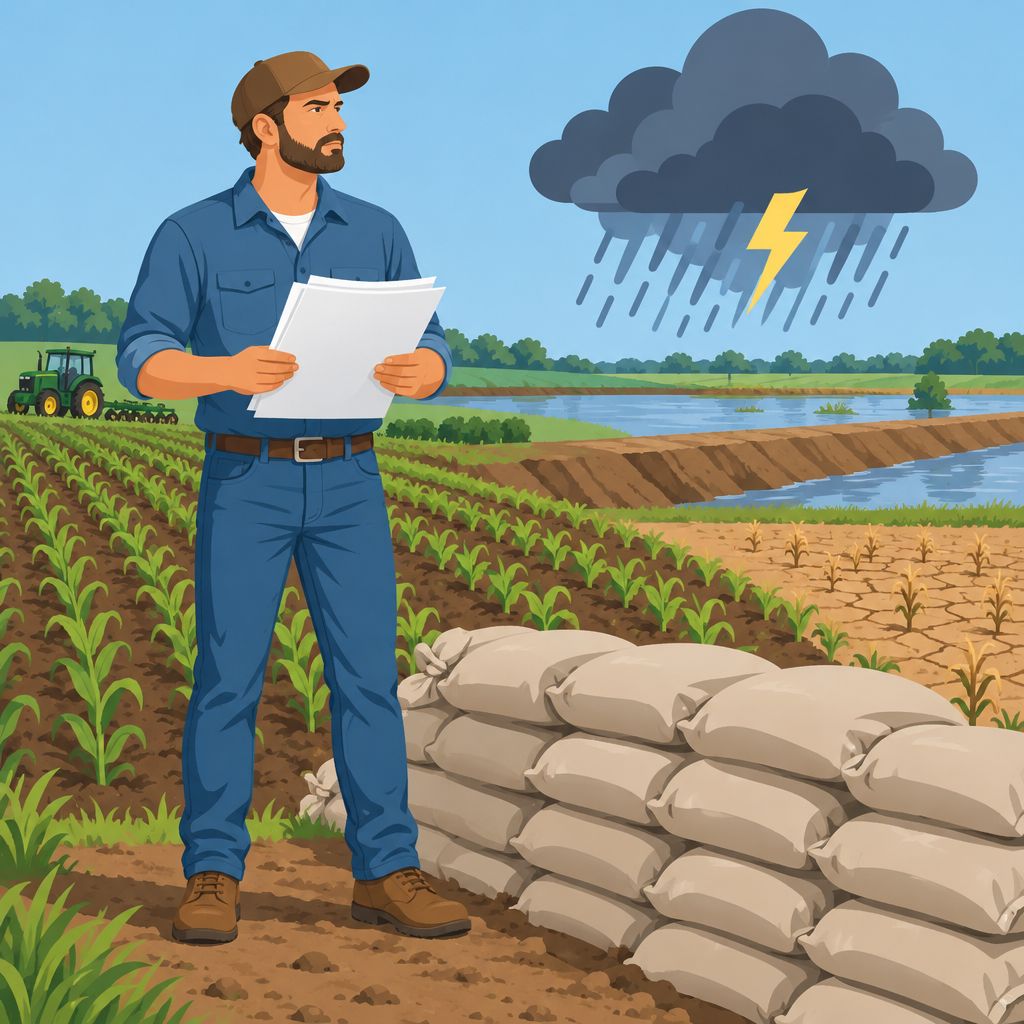
Extreme weather and heavy rainfall can worsen soil degradation.
Advanced sensors measure nutrient content and soil acidity.
This detailed information helps farmers customize fertilization practices.
In turn, customized applications can support soil regeneration.
Moreover, satellites track erosion and changes in land use.
Farm management software combines these findings for better decision-making.
TerraMap Analytics provides cloud-based soil health reports for farmers.
Climate Forecasting and Risk Assessment Tools
Accurate climate models guide crop planning and disaster preparation.
AgroClimate Insight combines satellite information with data from local weather stations.
Farmers receive alerts about storms, floods, and heatwaves.
Therefore, they can adjust planting dates and allocate resources proactively.
Risk assessment software also estimates potential financial losses.
Additionally, insurance companies partner with technology firms to offer climate-driven policies.
These partnerships improve coverage options and reduce farmer vulnerability.
Automation and Robotics in Agriculture
Automation reduces labor demands during extreme weather events.
Robotic systems can plant, irrigate, and harvest crops efficiently.
AgriBotix has introduced an AI-powered robotic weeding solution.
Showcase Your Farming Business
Publish your professional farming services profile on our blog for a one-time fee of $200 and reach a dedicated audience of farmers and agribusiness owners.
Publish Your ProfileThe system minimizes chemical use while supporting crop health.
Furthermore, automated machinery can operate continuously after disasters.
This capability can speed farm recovery and maintain essential operations.
Such technologies strengthen resilience by supporting consistent agricultural work.
Collaborative Innovation Networks
Farmers, researchers, and technology companies increasingly collaborate on climate challenges.
The Climate Smart Agriculture Consortium promotes knowledge sharing among participants.
These networks accelerate the development and adoption of innovative solutions.
For example, Dr. Elena Martinez leads a machine learning project for farm management.
Her team aims to build systems that respond to environmental changes.
Those systems could adjust farm management practices as conditions change.
Ultimately, collaboration strengthens agriculture’s readiness for future uncertainties.
Discover More: How Extreme Weather Affects Agricultural Land Value in the USA
Policy Implications
Policy decisions shape how farmland owners prepare for climate disasters.
Government assistance, regulations, and innovation programs strengthen resilience across agricultural operations.
Together, these measures help farmers protect resources and maintain productivity under changing conditions.
Government Support for Disaster Preparedness
Government agencies help farmland owners prepare for climate disasters.
They provide financial assistance that offsets the costs of disaster mitigation measures.
For example, the Rural Resilience Fund offers grants for flood defenses and soil conservation.
Moreover, technical support teams guide farmers toward climate-resilient practices.
These services increase farmland resilience and reduce long-term economic losses.
Additionally, government partnerships with local organizations strengthen emergency response networks.
Such collaborations deliver timely information and resources to farmers during extreme events.
Furthermore, tax breaks and subsidies can encourage sustainable land management.
Consequently, these policies encourage proactive climate change adaptation on farms.
Regulations Encouraging Disaster Preparedness
Policy frameworks increasingly require farmland owners to follow disaster preparedness standards.
Environmental regulations require risk assessments before authorities approve land use changes.
Also, zoning laws restrict farming in flood-prone or erosion-sensitive areas.
These restrictions reduce agricultural land vulnerability to hazards.
Furthermore, mandatory risk reporting improves transparency and planning.
Regulations also promote climate-resilient crop varieties and irrigation technologies.
By enforcing these measures, governments support sustainable agricultural productivity under changing climates.
Landowners face penalties when they neglect prescribed safety and environmental guidelines.
This approach motivates farmers to integrate disaster preparedness into daily operations.
Advancing Innovation Through Public Policy
Governments invest in research that develops innovative solutions for climate disaster resilience.
Funding supports drought-resistant crops and precision agriculture tools.
These innovations help farmland owners adapt quickly to variable weather conditions.
Policy programs also connect scientists, farmers, and extension agents.
Consequently, agricultural communities adopt new best practices more rapidly.
Additionally, public-private partnerships accelerate technology deployment on farms.
Policies supporting innovation create a dynamic environment for adaptive agriculture.
Showcase Your Farming Business
Publish your professional farming services profile on our blog for a one-time fee of $200 and reach a dedicated audience of farmers and agribusiness owners.
Publish Your ProfileThis approach keeps farmland owners equipped against increasing climate risks.
Building Community Networks
Farmland owners face increasing risks from climate disasters every year.
Therefore, working together strengthens resilience within farming communities.
Sharing knowledge about weather patterns and emergency preparedness proves invaluable.
Importance of Collaboration Among Farmland Owners
In addition, collective efforts improve resource management during critical times.
Community networks foster trust and enable faster responses when disasters strike.
Furthermore, local cooperation helps owners coordinate essential actions during emergencies.
Sharing Resources to Enhance Preparedness
Pooling resources helps farmland owners access tools and equipment they may lack.
For example, shared irrigation systems and emergency generators can protect crops and livestock.
Moreover, cooperative storage facilities protect harvested produce against extreme weather.
Organizations like the Harlan Agricultural Cooperative facilitate resource sharing among members.
Consequently, these efforts reduce individual costs and increase community resilience.
Exchanging Information for Better Decision-Making
Regular communication supports timely distribution of critical weather alerts and advisories.
Farmers can rely on trusted local sources like the Green Valley Farming Alliance for updates.
Meanwhile, workshops and online forums provide platforms for exchanging best practices.
Shared data about soil conditions and pest outbreaks informs adaptive strategies.
Ultimately, informed farmland owners make stronger decisions under pressure.
Building Long-Term Community Partnerships
Sustained partnerships foster continuous learning and resource sharing beyond disasters.
Local leaders, including Maria Thompson and Daniel Li, champion collaborative farming initiatives.
In addition, agricultural extension services offer expert guidance and support.
Community resilience grows as farmland owners unite through joint planning efforts.
Therefore, investing in networks today safeguards livelihoods against future climate challenges.
Urgency of Preparedness for Sustainable Farming in a Changing Climate
Climate challenges require farmers to prepare sustainable operations for immediate and future pressures.
Preparedness helps farms protect food production, natural resources, and long-term economic stability.
Therefore, farmers should combine practical planning, innovation, and cooperation to strengthen resilience.
Recognizing the Increasing Threats
Farmers face frequent and severe climate disasters that challenge essential farm operations.
Storms, droughts, floods, and wildfires can disrupt planting and harvesting cycles.
These conditions threaten food security and significantly affect farmers’ livelihoods.
Therefore, recognizing these risks gives farmers a foundation for building resilience.
Adopting Proactive Strategies
Effective preparedness requires farmers to apply proactive adaptation measures across their farmland.
Crop diversification reduces vulnerability to any single climate-related disruption.
Water-efficient irrigation helps farms manage periods of drought more effectively.
Moreover, soil health practices support productivity over the long term.
Farmers like Clara Emmons have recently integrated these strategies into their operations.
Leveraging Technology and Innovation
Innovative technology can improve how farmers predict and respond to disasters.
Remote sensing tools provide useful information about soil moisture and weather patterns.
Agri-tech companies such as GreenField Solutions develop climate tools for individual farms.
These tools help farmers make informed decisions quickly and efficiently.
Collaborating for Stronger Resilience
Community cooperation strengthens farmers’ ability to manage climate-related events.
Local groups and cooperatives can share resources, experience, and practical knowledge.
Showcase Your Farming Business
Publish your professional farming services profile on our blog for a one-time fee of $200 and reach a dedicated audience of farmers and agribusiness owners.
Publish Your ProfileFor example, the Midwestern Farmers Alliance promotes shared emergency plans.
Government policies can also support farmers through financial and technical assistance.
Such partnerships create stronger support systems for sustainable farming.
Ensuring Long-Term Sustainability
Preparedness supports immediate protection while also creating opportunities for future growth.
Sustainable farming practices improve environmental health and economic stability.
Farmers like Miguel Hernandez demonstrate the value of investing in resilience.
Ultimately, readiness helps farms endure and thrive despite climate challenges.
Immediate action helps maintain food production for coming generations.