




Introduction to Urban Farming
Definition of Urban Farming
Urban farming refers to growing food in cities and towns.
It involves cultivating vegetables, fruits, and herbs in small or large urban spaces.
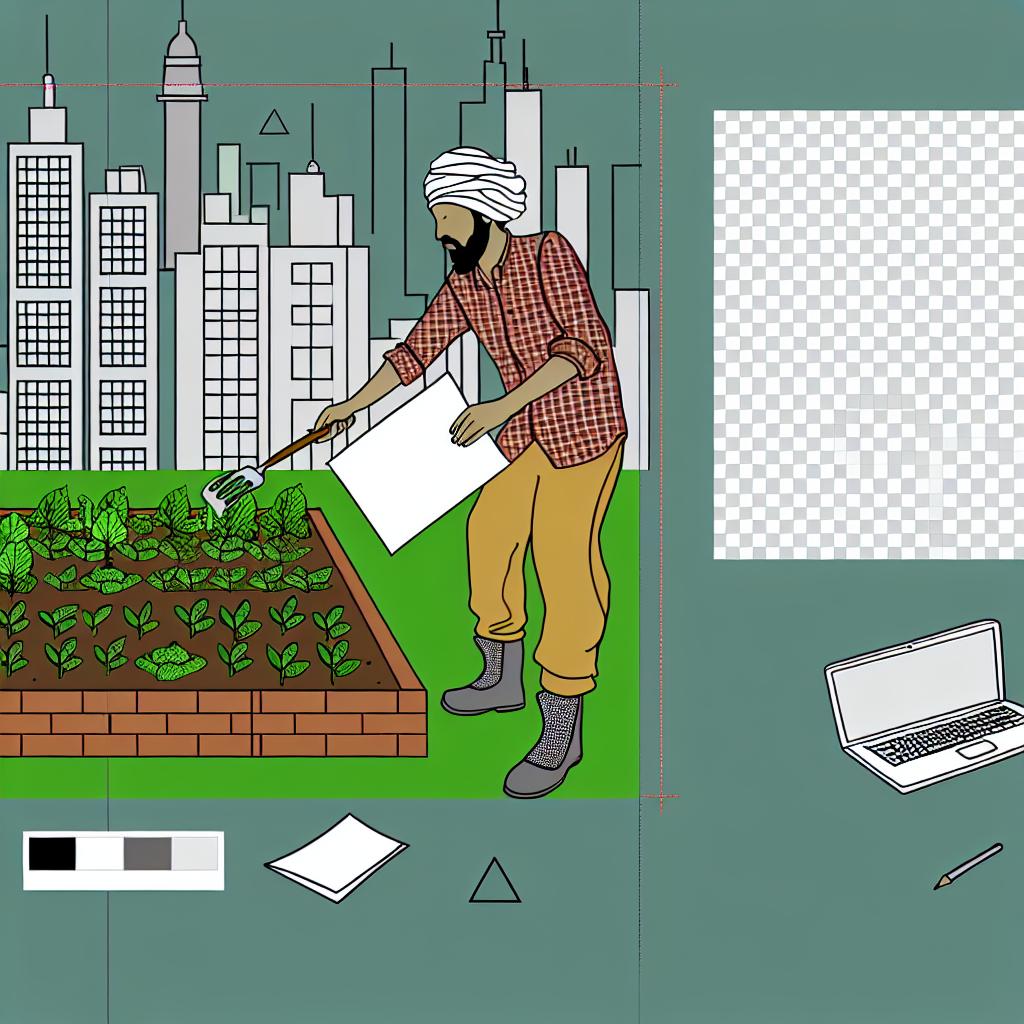
This practice includes methods like container gardening, rooftop farms, and community gardens.
Moreover, urban farming makes use of innovative techniques to maximize limited spaces.
Importance of Urban Farming
Urban farming increases access to fresh and healthy vegetables in local communities.
It reduces the environmental impact caused by long-distance food transportation.
Additionally, it promotes food security by supplementing urban food supply.
Many city dwellers engage in urban farming to reconnect with nature and agriculture.
Furthermore, it creates green spaces, improving urban air quality and biodiversity.
Local governments and organizations often support urban agriculture through policies and grants.
Benefits for Sustainable Vegetable Production
Urban farming encourages sustainable practices such as composting and water conservation.
It reduces reliance on chemical fertilizers and promotes organic growing methods.
Farmers can implement crop rotation and companion planting even in urban settings.
These techniques help maintain healthy soil and prevent pest outbreaks naturally.
Community participation in urban farming fosters education on sustainable food systems.
Transform Your Agribusiness
Unlock your farm's potential with expert advice tailored to your needs. Get actionable steps that drive real results.
Get StartedUrban farming stands as a vital contributor to sustainable vegetable production in the US.
Benefits of Urban Farming for Sustainable Vegetable Production
Enhancing Food Security
Urban farming increases access to fresh vegetables in densely populated areas.
It reduces dependence on rural agriculture and long-distance food transportation.
Moreover, it helps communities buffer against supply chain disruptions.
Consequently, urban areas experience improved food resilience and availability.
Reducing Environmental Impact
Urban farming lowers carbon emissions by minimizing food miles.
It supports organic practices that reduce chemical fertilizer and pesticide use.
Additionally, it promotes composting and waste recycling within city limits.
Therefore, urban farming contributes to cleaner air and healthier ecosystems.
Promoting Economic Opportunities
Urban farming creates jobs in farming, distribution, and retail sectors.
Small-scale farmers like Elena Martinez have started profitable rooftop gardens.
Local businesses, such as FreshLeaf Farms, thrive by supplying fresh produce.
In turn, these ventures boost local economies and foster entrepreneurship.
Encouraging Community Engagement
Urban gardens become social hubs where residents exchange knowledge and skills.
Many neighborhoods organize workshops led by experts like Miguel Hernandez.
This interaction nurtures a stronger sense of community and shared responsibility.
Consequently, urban farming fosters social cohesion and healthy lifestyles.
Improving Urban Environment
Green spaces introduced by urban farms reduce urban heat island effects.
Plants enhance air quality by filtering pollutants and releasing oxygen.
Furthermore, vegetation improves water management by reducing runoff.
Thus, urban farming enhances overall environmental quality within cities.
Types of Urban Farming Techniques: Overview and Comparisons
Soil-Based Urban Farming
Soil-based urban farming remains a popular choice among city gardeners.
It uses natural soil in raised beds, community gardens, or container planters.
Gardeners benefit from easy access and traditional growing methods.
Showcase Your Farming Business
Publish your professional farming services profile on our blog for a one-time fee of $200 and reach a dedicated audience of farmers and agribusiness owners.
Publish Your ProfileHowever, soil contamination requires testing and remediation in some locations.
Moreover, this technique supports a wide variety of vegetables.
It also promotes healthy soil microbiomes, which enhance plant growth.
Hydroponics
Hydroponics is a soil-less cultivation method using nutrient-rich water solutions.
This technique enables vegetable production in limited spaces like rooftops or basements.
Hydroponic systems typically yield faster plant growth compared to soil farming.
Additionally, they use up to 90% less water than traditional methods.
Companies like FreshUrban Farms in Chicago utilize hydroponics successfully.
On the downside, hydroponics requires precise monitoring of nutrient levels and pH balance.
Aquaponics
Aquaponics combines hydroponics with fish farming in a symbiotic system.
Fish waste provides nutrients for plants, while plants help clean the water.
This method creates a closed-loop ecosystem that maximizes resource efficiency.
Urban farmers using aquaponics often report high productivity and sustainability.
For instance, HarvestHarmony in Seattle integrates tilapia with leafy greens.
Nevertheless, aquaponics demands technical knowledge to balance fish and plant needs.
Vertical Farming
Vertical farming grows vegetables in stacked layers, often indoors under controlled conditions.
This approach maximizes space usage in densely populated urban areas.
It reduces the land footprint while allowing year-round production.
Innovative urban farms like SkyGrow in New York use vertical farming extensively.
They implement LED lighting and climate control to optimize growth.
However, setup costs and energy use can be significant considerations.
Container Gardening
Container gardening involves growing plants in pots, barrels, or recycled containers.
This method suits balconies, patios, and small rooftops effectively.
It allows gardeners flexible placement and easy soil management.
Local nonprofits such as UrbanRoots Phoenix promote container gardening for families.
Additionally, gardeners avoid soil contamination and can move plants seasonally.
Watering frequency and nutrient supply require regular attention in containers.
Key Considerations When Choosing Urban Farming Methods
Each urban farming technique offers unique advantages and challenges.
Soil-based farming focuses on traditional practices but may face contamination issues.
Hydroponics and aquaponics excel in resource efficiency and space savings.
Vertical farming maximizes urban space with controlled environments.
Container gardening provides flexibility and accessibility for small-scale growers.
Choosing the right method depends on available space, budget, and technical skills.
Combining methods can enhance sustainability and productivity in cities.
Gain More Insights: Permaculture Perennial Crops for Low-Maintenance Farming
Container Gardening Best Practices for Small Spaces
Choosing the Right Containers
Select containers that suit your available space and vegetable types.
Opt for materials like terracotta, plastic, or wood based on durability and aesthetics.
Make sure containers have adequate drainage holes to prevent waterlogging.
Consider lightweight containers for easy mobility and repositioning.
Soil and Growing Medium
Use high-quality potting mix designed for container gardening.
Showcase Your Farming Business
Publish your professional farming services profile on our blog for a one-time fee of $200 and reach a dedicated audience of farmers and agribusiness owners.
Publish Your ProfileAvoid garden soil as it can compact and reduce aeration.
Incorporate organic matter like compost to improve nutrient content.
Mix in perlite or vermiculite to enhance soil drainage and retention balance.
Selecting Suitable Vegetables
Choose vegetable varieties that grow well in confined spaces.
Leafy greens, herbs, and cherry tomatoes often thrive in containers.
Compact or dwarf cultivars optimize yields for limited areas.
Additionally, consider vegetables with shorter growing seasons for quicker harvests.
Watering and Nutrient Management
Water containers consistently since they dry out faster than ground plots.
Check moisture levels daily, especially during hot weather periods.
Apply balanced liquid fertilizers every two weeks to support healthy growth.
Incorporate slow-release fertilizers at planting time for steady nutrient supply.
Maximizing Space Efficiency
Utilize vertical gardening techniques with trellises or stacking shelves.
Group plants with similar water and light needs to simplify care.
Rotate crops seasonally to maintain soil health and prevent pest buildup.
Employ companion planting to enhance growth and deter common pests.
Find Out More: Community Gardens for Pollinator-Friendly Landscapes
Vertical Farming: Maximizing Space and Yield in Urban Areas
Efficient Use of Limited Urban Space
Vertical farming transforms small urban spaces into highly productive agricultural sites.
It stacks multiple layers of crops, optimizing usable area in dense cities.
Consequently, vertical farms can grow more vegetables per square foot than traditional farms.
This method suits rooftops, abandoned warehouses, and indoor setups.
Moreover, it reduces the need for expanding farmland into natural habitats.
Technologies Driving Vertical Farming Success
Innovative technologies enable precise control over growing conditions.
LED lighting provides optimal wavelengths for photosynthesis year-round.
Automated climate systems regulate temperature and humidity efficiently.
Hydroponic and aeroponic systems deliver nutrients directly to plant roots.
These technologies collectively enhance crop yield and quality.
Benefits for Sustainable Vegetable Production
Vertical farming significantly decreases water usage compared to traditional agriculture.
It eliminates the need for pesticides due to controlled environments.
Plants grow faster under stable light and nutrient supply.
Local production reduces transportation emissions and spoilage.
Additionally, vertical farms contribute to urban food security and resilience.
Challenges and Considerations
Initial setup costs for vertical farms can be high due to technology investments.
Energy consumption for lighting and climate control remains a critical concern.
Nonetheless, integrating renewable energy sources can mitigate environmental impact.
Urban zoning laws and building regulations may affect farm installation.
Therefore, collaboration with local authorities ensures smooth farm operation.
Examples of Successful Vertical Farming Initiatives
Green Horizon Farms in Chicago pioneers rooftop vertical farms supplying local markets.
SkyLeaf Agriculture in Seattle specializes in aeroponic leafy greens cultivation.
Harvest Hive in New York operates a sizable indoor vertical farm distributing organic vegetables.
These companies demonstrate vertical farming’s potential for urban sustainability.
Showcase Your Farming Business
Publish your professional farming services profile on our blog for a one-time fee of $200 and reach a dedicated audience of farmers and agribusiness owners.
Publish Your ProfileYou Might Also Like: DIY Garden Projects for Seed Starting Indoors
Hydroponics and Aquaponics
Introduction to Soil-less Farming
Hydroponics and aquaponics are innovative soil-less farming methods.
They cultivate vegetables efficiently in urban environments.
These systems reduce the reliance on traditional soil agriculture.
Moreover, they use space and resources more sustainably than conventional methods.
Hydroponics: Growing Without Soil
Hydroponics grows plants using nutrient-rich water instead of soil.
Marina Collins, founder of SkyGreen Farms, pioneers hydroponic urban gardens in Seattle.
This technique accelerates plant growth and increases yields significantly.
Additionally, hydroponics requires less water than soil-based farming.
Farmers control nutrient levels precisely to optimize vegetable quality.
Furthermore, this system reduces pest infestations by eliminating soil habitats.
Urban growers benefit from vertical hydroponic setups that maximize limited space.
Aquaponics: Combining Fish Farming with Vegetables
Aquaponics integrates fish cultivation with hydroponic vegetable production.
Blue River Collective in Portland uses aquaponics to produce tilapia and leafy greens.
Fish waste supplies natural nutrients for plants, recycling resources effectively.
This symbiotic relationship decreases the need for chemical fertilizers.
Besides, aquaponics conserves water by recirculating it throughout the system.
Farmers appreciate aquaponics for its dual income streams from fish and crops.
Moreover, it creates a balanced ecosystem beneficial to urban food sustainability.
Benefits of Soil-less Farming in Urban Agriculture
These soil-less systems enable year-round vegetable production despite space limits.
Hydroponics and aquaponics reduce transportation emissions by growing food locally.
They also minimize water consumption compared to traditional field farming.
Additionally, these techniques lower pesticide use and environmental contamination.
Urban farms employing these methods enhance community access to fresh produce.
Therefore, soil-less farming boosts urban food security and sustainability goals.
Steps for Starting Hydroponics and Aquaponics
To begin, urban farmers should assess available space and resource needs.
Companies like FreshSprout offer affordable hydroponic kits for beginners.
Training programs teach proper nutrient management and system maintenance.
Starting small with leafy greens and herbs ensures early success.
Over time, growers can expand to tomatoes, peppers, and other crops.
Education and experimentation foster thriving soil-less urban farms.
Delve into the Subject: Indoor Gardening Techniques for Growing Fresh Herbs at Home
Community Gardens Building Local Food Networks and Sustainability
Fostering Community Engagement
Community gardens bring neighbors together through shared gardening activities.
They create opportunities for people to learn sustainable farming techniques collectively.
Moreover, residents develop a stronger connection to their local environment.
Through collaboration, gardeners exchange knowledge and resources efficiently.
Also, community involvement increases awareness about food systems and nutrition.
Enhancing Local Food Security
Community gardens provide fresh vegetables directly to local neighborhoods.
This proximity reduces the need for long-distance food transportation.
Consequently, gardeners enjoy fresher produce with a smaller environmental footprint.
Showcase Your Farming Business
Publish your professional farming services profile on our blog for a one-time fee of $200 and reach a dedicated audience of farmers and agribusiness owners.
Publish Your ProfileAdditionally, access to local gardens ensures food availability during supply chain disruptions.
Community food networks thus contribute to a more resilient and self-sufficient food system.
Promoting Environmental Sustainability
Community gardens emphasize organic practices that preserve soil health.
They reduce reliance on synthetic pesticides and fertilizers, benefiting pollinators.
Gardeners often implement composting to recycle organic waste sustainably.
Furthermore, these spaces increase urban biodiversity by supporting various plant species.
Green areas in cities also help mitigate the urban heat island effect effectively.
Supporting Economic and Social Benefits
Garden projects can create local job opportunities related to urban agriculture.
They also lower household food expenses through homegrown produce.
Socially, community gardens promote inclusivity by welcoming diverse participants.
They boost mental health by providing calming green spaces for relaxation.
Local events hosted in gardens further strengthen community bonds.
Essential Actions for Establishing a Thriving Community Garden
Identify a suitable urban space with adequate sunlight and water access.
Engage local residents and organizations to build a committed gardening team.
Secure permissions and support from city councils or property owners.
Plan garden design with plots, pathways, and communal areas in mind.
Organize educational workshops to teach sustainable planting and maintenance skills.
Soil Health and Composting in Urban Settings
Importance of Soil Health in Urban Farming
Healthy soil forms the foundation of successful urban vegetable production.
It supports plant growth by providing essential nutrients and retaining moisture.
Furthermore, rich soil improves the resilience of plants against pests and diseases.
Improving soil quality also contributes to environmental sustainability within cities.
Therefore, urban farmers must prioritize soil health for ongoing productivity.
Techniques to Enhance Soil Quality
Start by testing the soil to understand its current nutrient levels and pH balance.
Adding organic matter such as compost enriches the soil and boosts microbial activity.
Employ crop rotation to prevent nutrient depletion and reduce soil-borne diseases.
Mulching protects the soil surface and helps maintain moisture during hot months.
Lastly, avoid compacting soil by minimizing heavy foot traffic around planting areas.
Composting Methods Suitable for Urban Environments
Use backyard compost bins to recycle kitchen scraps and garden waste effectively.
Vermicomposting utilizes worms to quickly break down organic materials into nutrient-rich compost.
Tumbler composters offer a convenient option with easy turning to speed up decomposition.
Community composting projects also allow neighbors to share resources and compost collectively.
Choose composting methods that fit your available space and daily routine.
Essential Tips for Successful Composting
Balance green materials such as vegetable scraps with brown materials like dried leaves.
Keep the compost pile moist but not waterlogged to support microbial activity.
Turn the compost regularly to provide oxygen and accelerate breakdown.
Avoid adding meat, dairy, or oily foods to prevent odors and pests.
Use finished compost to enrich your garden soil and enhance vegetable growth sustainably.
Regulatory Considerations for Urban Farmers
Zoning Regulations
Zoning laws determine where urban farming activities can legally occur.
Local governments typically regulate land use through zoning ordinances.
Farmers must check if their property is zoned for agricultural or gardening use.
Showcase Your Farming Business
Publish your professional farming services profile on our blog for a one-time fee of $200 and reach a dedicated audience of farmers and agribusiness owners.
Publish Your ProfileSome neighborhoods allow community gardens, while others restrict farming activities entirely.
Consulting with the city planning department offers clarity on permissible operations.
Zoning laws may differ between residential, commercial, and industrial areas.
Certain urban zones may require special permissions for farming.
Obtaining Necessary Permits
Permits ensure urban farms comply with health, safety, and environmental standards.
Farmers should identify all required permits before starting their projects.
Common permits include land use permits, building permits, and water use approvals.
Selling produce may require food handling or business licenses.
Local agencies, such as the Department of Agriculture or Health, usually issue these permits.
Regulatory expert Fiona Morales in Denver recommends early application submission to avoid delays.
Permit requirements vary by city, so contacting local authorities is essential.
Community and Neighborhood Guidelines
Some neighborhoods enforce additional rules through homeowner associations or local committees.
These groups impose restrictions on fence heights, noise levels, and pesticide use.
Urban farmers must review community guidelines before launching operations.
Neighbors’ concerns may affect farming practices or operation hours in some cases.
Proactive communication helps build goodwill and prevent conflicts.
Urban farmer Jayden Lee in Portland stresses engaging neighbors early for smoother exchanges.
Environmental and Safety Compliance
Urban farms must follow regulations protecting soil and water quality.
Proper waste management prevents pollution and ensures neighborhood safety.
Some cities mandate natural pest control and organic soil amendments to limit chemicals.
Fencing and signage contribute to public safety and liability reduction.
Local fire departments sometimes require clear access paths for emergency responders.
Staying informed of environmental codes helps sustain compliance long-term.
Resources to Support Regulatory Navigation
Numerous nonprofit groups assist urban farmers with regulatory knowledge.
The Urban Growers Collective in Chicago offers workshops and one-on-one coaching.
City-run agricultural extension offices provide free guides and permit assistance.
Online portals like AgriRegulations.us consolidate local rules by region.
Legal expert attorney Maria Delgado clarifies complex issues for farmers.
Using these resources accelerates permit approvals and ensures lawful operations.
Marketing Urban Grown Vegetables
Building Connections with the Local Community
Engaging with the local community fosters trust and loyalty for urban farmers.
Farmers can participate in neighborhood events to showcase their fresh produce.
Collaborating with community centers creates opportunities to educate about sustainable farming.
Offering farm tours encourages transparency and builds stronger customer relationships.
Utilizing Farmers Markets and Local Retailers
Farmers markets serve as excellent venues for direct sales and customer interaction.
Presenting vibrant displays attracts buyers and highlights produce quality effectively.
Partnering with local grocery stores can expand distribution channels for urban vegetables.
Independent stores often value locally sourced products, boosting market appeal.
Implementing Online Marketing Strategies
Maintaining a website helps showcase available vegetables and farming practices.
Social media platforms reach wider audiences quickly and enable real-time updates.
Sharing recipes and seasonal tips increases engagement and adds value for customers.
Showcase Your Farming Business
Publish your professional farming services profile on our blog for a one-time fee of $200 and reach a dedicated audience of farmers and agribusiness owners.
Publish Your ProfileEmail newsletters keep loyal customers informed about harvests and special offers.
Offering Subscription and CSA Programs
Community Supported Agriculture (CSA) programs guarantee steady income for growers.
Subscribers receive a regular share of fresh vegetables, strengthening customer ties.
Flexible subscription plans accommodate different household sizes and preferences.
CSA models promote commitment to sustainable, local food sources within the community.
Highlighting Sustainability and Quality
Emphasizing organic practices builds trust among health-conscious consumers.
Transparency about growing methods reassures buyers about product safety.
Certifications from local agricultural organizations can enhance market credibility.
Sharing stories about the farm’s environmental impact connects emotionally with customers.
Additional Resources
So you want to make a living off the land? Lets look at what it takes …