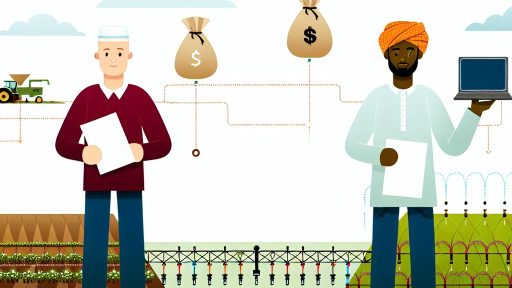




Overview of Renewable Energy Incentives and Their Purpose
Introduction to Renewable Energy Incentives
Renewable energy incentives encourage the adoption of clean energy technologies.
These incentives include tax credits, grants, and rebates.
Governments design them to reduce carbon emissions.
They also aim to promote energy independence and sustainability.
Moreover, incentives help lower the initial costs of renewable energy systems.
Types of Renewable Energy Incentives
Tax credits provide direct reductions in tax liability for energy investments.
Grants offer upfront funding to offset installation expenses.
Rebates give partial refunds after purchasing renewable energy equipment.
Loans with favorable terms make renewable projects more affordable.
Additionally, some programs offer performance-based payments for energy generated.
Purpose and Benefits of Incentives
Incentives stimulate investment in solar, wind, and other clean technologies.
They help farmers and landowners improve energy efficiency on their properties.
Also, incentives increase the economic feasibility of renewable energy projects.
They contribute to rural development and job creation in agricultural communities.
Consequently, these programs support national goals for reducing greenhouse gases.
Transform Your Agribusiness
Unlock your farm's potential with expert advice tailored to your needs. Get actionable steps that drive real results.
Get StartedCurrent Trends in Farmland Real Estate Prices
Rising Demand and Price Growth
Farmland real estate prices have been steadily increasing in recent years.
Investors actively seek land to expand agricultural production.
Farmers also look for land to grow their operations.
Moreover, limited supply drives up competition among buyers.
Consequently, many regions report substantial appreciation in farmland values.
The Midwest has experienced notable price surges recently.
Influence of Agricultural Technology
Advancements in technology enhance farmland value by boosting productivity.
Farmers invest in modern irrigation and precision equipment on their land.
Additionally, technology encourages sustainable farming practices that preserve soil quality.
These innovations attract buyers willing to pay premiums for fertile, well-managed land.
Impact of Renewable Energy Development
Renewable energy projects increasingly overlap with agricultural land use.
Landowners often lease portions of farmland for solar panels or wind turbines.
This dual-use trend adds another dimension to farmland valuation.
Investments from companies like Evergreen Energy affect local real estate dynamics.
As a result, such incentives contribute to stronger farmland price growth in some areas.
Regional Variations in Price Trends
Farmland price changes vary significantly by geographic location.
Areas with high crop yields and access to markets see faster price increases.
Conversely, remote or less fertile lands show slower appreciation rates.
State policies and incentive programs also play a key role in local price trends.
Land brokers such as Miller & Associates Realty observe these regional differences closely.
Market Sentiment and Future Expectations
Investors remain optimistic about farmland’s long-term value stability.
Many expect continued land appreciation due to rising food demand.
Furthermore, renewable energy incentives contribute to positive market sentiment.
Landowners like Michael Sheridan report growing interest from diverse investor groups.
Showcase Your Farming Business
Publish your professional farming services profile on our blog for a one-time fee of $200 and reach a dedicated audience of farmers and agribusiness owners.
Publish Your ProfileThis outlook sustains a favorable environment for farmland investment.
How Renewable Energy Incentives Influence Land Valuation
Increased Demand for Farmland with Renewable Potential
Renewable energy incentives encourage developers to seek farmland for project installations.
Consequently, farmland with solar or wind potential becomes more attractive to investors.
This heightened interest often increases competition among buyers and raises land prices.
Moreover, farmers and landowners recognize new revenue sources beyond traditional agriculture.
Therefore, renewable incentives directly boost demand and elevate farmland valuation in eligible areas.
Impact of Policy Support on Market Perceptions
Government incentives signal strong policy support for renewable energy expansion.
As a result, markets respond positively to farmland suitable for energy projects.
Investors anticipate long-term profitability due to tax credits, grants, and subsidies.
Furthermore, this optimism contributes to more aggressive bidding for eligible farmland.
Ultimately, policy backing enhances perceived land value through anticipated financial benefits.
Revenue Diversification and Landowner Benefits
Renewable incentives allow landowners to diversify income with lease agreements.
For instance, farmers can lease portions of their land to energy companies while retaining farming rights.
This dual-use approach increases the overall value of farmland properties.
In turn, landowners gain stable, supplemental income streams amid fluctuating agricultural markets.
Thus, renewable energy incentives improve farmland valuation by adding financial flexibility.
Factors Moderating Farmland Price Changes
However, not all farmland experiences equal price appreciation from incentives.
Land location, proximity to grid infrastructure, and local regulations play crucial roles.
Also, community support or opposition can influence the viability of renewable projects.
Environmental considerations, such as soil quality and habitat protection, affect land use decisions.
Therefore, these factors collectively moderate how much incentives impact farmland prices.
Long-Term Implications for Rural Real Estate Markets
In the long term, renewable incentives may reshape rural land markets significantly.
Expanded renewable developments could transform traditional agricultural regions.
This shift can lead to higher land values and new economic opportunities for rural communities.
Local businesses like Evergreen Energy Solutions notice increasing demand driven by these incentives.
Consequently, incentives serve as catalysts for change in farmland real estate dynamics.
Explore Further: Understanding Drought-Resistant Crops for Agricultural Land Development
Case Studies of Regions with Successful Renewable Energy Programs
California’s Solar Incentive Impact on Farmland
California leads the nation in solar energy adoption on agricultural land.
Farmers actively participate in state incentive programs that encourage solar installations.
Consequently, farmland values have risen near solar farms and installations.
Research by Green Valley Realty shows a 15% average increase in nearby land prices.
Local farmers like Samuel Ortega report additional income from leasing land for solar panels.
Moreover, the state’s aggressive renewable policies sustain long-term land value growth.
Technological support from companies such as SunHarvest Solutions eases transition for landowners.
Thus, California’s approach exemplifies a successful blend of agriculture and renewable energy.
Iowa’s Wind Energy Program and Its Effects on Farmland Prices
Iowa ranks as a top wind energy producer in the United States.
The state offers production tax credits and grants for wind energy development.
Consequently, farmland near wind farms shows increased demand and higher prices.
Studies by Heartland Land Management indicate up to a 12% rise in land value.
Farmers such as Emily Jansen benefit from leasing agreements with wind developers.
Showcase Your Farming Business
Publish your professional farming services profile on our blog for a one-time fee of $200 and reach a dedicated audience of farmers and agribusiness owners.
Publish Your ProfileIn addition, consistent wind patterns make these areas attractive for sustainable investment.
Local cooperatives like PrairieWind Energy collaborate closely with landowners.
As a result, Iowa demonstrates renewable energy’s positive economic impact on rural real estate.
Texas’s Incentives Driving Renewable Energy Growth on Agricultural Land
Texas combines rich wind and solar resources with strong incentive programs.
The state’s Renewable Energy Property Tax Exemption encourages installation on farmland.
This policy supports property value retention and gains for agricultural owners.
Land specialists from Lone Star Realty confirm a notable increase in farmland market activity.
Farmers such as Carlos Mendoza have diversified income by integrating solar arrays.
Additionally, utility companies like TexGrid Energy invest heavily in local renewable projects.
Moreover, supportive state policies help mitigate initial costs for farmers.
Therefore, Texas provides a successful model for renewable energy boosting farmland asset values.
New York’s Comprehensive Renewable Energy Strategy on Farmland
New York promotes clean energy through the NY-Sun and NY-Shell programs.
These initiatives offer financial incentives and technical support to agricultural producers.
The programs have increased demand for farmland suited for solar and biogas installations.
Brokerage firms such as Empire Land Advisors report improvements in land price premiums.
Farmers like Hannah Lenox actively participate, stabilizing income while preserving farmland.
Furthermore, local governments streamline permitting to accelerate renewable deployment.
Renewable energy partners like GreenWave Power assist in project development.
Hence, New York’s integrated approach fosters both sustainability and farmland value enhancement.
You Might Also Like: How to Mitigate Climate Risks in Agricultural Real Estate
Impact of Renewable Energy Projects on Local Economies and Communities
Economic Growth and Job Creation
Renewable energy projects stimulate local economies by generating employment opportunities.
Construction and maintenance of solar farms and wind turbines require skilled and unskilled labor.
Increased employment boosts household incomes and spending power.
Businesses such as equipment suppliers and service providers also benefit economically.
Consequently, local tax revenues often increase, funding public services and infrastructure.
Changes in Farmland Use and Property Values
Installing renewable energy infrastructure changes how farmland is utilized.
Farmers may lease land to energy companies, gaining alternative revenue streams.
This shift can increase land demand, potentially raising farmland real estate prices.
Some community members worry about long-term impacts on agricultural productivity.
Balancing energy development and farming remains a critical challenge for these areas.
Community Engagement and Social Dynamics
Renewable projects often involve local stakeholder consultations before implementation.
Effective communication builds trust between developers and residents.
Communities that actively participate tend to experience more positive social outcomes.
Conversely, lack of engagement can lead to opposition and project delays.
Collaborative planning helps align projects with community values and needs.
Environmental and Quality of Life Considerations
Renewable energy reduces reliance on fossil fuels and lowers greenhouse gas emissions.
Cleaner air and reduced pollution enhance public health in rural communities.
Some residents express concerns about noise, visual changes, and wildlife impacts.
Mitigation measures such as buffer zones and careful siting help address these issues.
Well-planned projects strive to improve environmental quality for local residents.
Showcase Your Farming Business
Publish your professional farming services profile on our blog for a one-time fee of $200 and reach a dedicated audience of farmers and agribusiness owners.
Publish Your ProfileLearn More: Crop Breeding Innovations for Sustainable Farmland Ownership

Legal Considerations for Landowners and Developers Regarding Renewable Energy
Understanding Land Use Regulations
Landowners must review local zoning laws before developing renewable energy projects.
These laws often dictate allowable land uses and construction requirements.
Additionally, state-specific regulations can influence project approvals.
Developers should consult with municipal planning departments early.
This ensures compliance and reduces project delays significantly.
Negotiating Lease and Easement Agreements
Lease agreements define rights and responsibilities between landowners and developers.
They typically cover duration, payments, and land restoration obligations.
Moreover, easements grant developers legal access to install and maintain equipment.
It is crucial to seek legal advice when drafting these contracts.
Avoid ambiguous terms to prevent future disputes effectively.
Impact of Incentive Programs on Legal Obligations
Renewable energy incentives often come with specific compliance requirements.
For example, tax credits may require minimum energy production levels.
Additionally, grant programs might demand environmental impact assessments.
Landowners should understand these conditions to maintain eligibility.
Developers must also report project progress according to program rules.
Environmental and Permitting Considerations
Projects must adhere to environmental protection laws at various government levels.
Permits commonly include environmental impact, water use, and wildlife protection.
Failure to obtain proper permits can halt development abruptly.
Consulting environmental lawyers ensures all legal obligations are met.
Furthermore, engaging local communities early can facilitate smoother permitting processes.
Addressing Property Rights and Dispute Resolution
Clear title ownership is essential before proceeding with renewable energy projects.
Disputes may arise over property boundaries or usage rights.
Including mediation and arbitration clauses in contracts helps resolve conflicts efficiently.
Experienced attorneys can draft provisions tailored to renewable energy deals.
This approach minimizes costly litigation for both parties involved.
Learn More: Drip vs. Sprinkler Irrigation: Which Is More Sustainable for Farmland?
Challenges Faced by Farmers in Adapting to Renewable Energy Initiatives
Financial Barriers and Investment Concerns
Farmers often face high upfront costs to install renewable energy systems.
These expenses can limit the ability of small-scale farmers to participate.
Moreover, uncertainty about long-term returns creates hesitation to invest.
In addition, navigating government incentive programs requires specialized knowledge.
Therefore, farmers seek assistance from experts to maximize benefits.
Impact on Land Use and Agricultural Productivity
Allocating farmland for solar panels reduces the area available for crops.
Consequently, some farmers worry about potential declines in food production.
On the other hand, integrating renewable energy can provide alternative income streams.
Yet, balancing energy projects with farming requires careful land management.
Farmers like Allison Moore experiment with dual-use models to optimize space.
Technical Challenges and Maintenance Requirements
Renewable installations demand regular maintenance to operate efficiently.
Farmers without technical expertise often depend on external service providers.
This reliance can increase operational costs and complicate scheduling.
Showcase Your Farming Business
Publish your professional farming services profile on our blog for a one-time fee of $200 and reach a dedicated audience of farmers and agribusiness owners.
Publish Your ProfileAdditionally, weather conditions can affect the performance of solar or wind systems.
Thus, adapting to local climates is essential for sustainable energy use.
Community and Regulatory Obstacles
Some farming communities express concerns about changes to rural landscapes.
Local regulations may impose restrictions on renewable energy installations.
Approval processes sometimes delay project development for farmers.
Collaboration with neighbors and officials fosters smoother adaptation.
Organizations like Harvest Roots Alliance support farmers through these challenges.
Knowledge Gaps and Training Needs
Many farmers lack detailed information about renewable energy technologies.
Education programs help address these knowledge gaps effectively.
For instance, GreenField Innovations offers workshops tailored for agricultural energy use.
Ongoing training ensures farmers stay updated on new incentives and technologies.
Ultimately, informed farmers can better leverage renewable energy opportunities.
Future Outlook on Renewable Energy Policies and Farmland Prices
Policy Developments Shaping Land Values
Renewable energy policies continue to evolve rapidly across the United States.
States like Iowa and Minnesota are expanding incentives for solar and wind projects.
Consequently, farmland near suitable sites is becoming more attractive for energy developers.
Moreover, new tax credits and subsidies encourage investment in renewable installations on farmland.
These factors increase competition for land, driving up farmland values in key regions.
Technological Advancements and Renewable Integration
Innovations in solar panel efficiency reduce the land footprint required for energy production.
Therefore, smaller parcels of farmland can generate profitable revenue streams.
At the same time, enhanced battery storage makes intermittent energy sources more reliable.
Farmers can now diversify income by leasing land for renewable projects without disrupting crops.
Such advances support sustained demand for farmland with renewable opportunities.
Challenges and Considerations for Landowners
Despite benefits, landowners face challenges related to zoning and environmental regulations.
Local governments may impose restrictions that limit renewable energy development on farmland.
Furthermore, community opposition can slow project approvals, affecting land value potential.
Landowners need to stay informed about policy changes and engage with local stakeholders.
This proactive approach helps maximize farmland value amid policy shifts.
Market Trends Influencing Farmland Real Estate
Investors are increasingly targeting renewable energy-friendly farmland for portfolio diversification.
Besides traditional agricultural use, energy leases provide attractive long-term returns.
Market demand for such hybrid farmland supports steady price appreciation.
Additionally, some regions offer premium prices for properties near existing renewable infrastructure.
These trends underscore the growing interplay between energy policies and land economics.
Renewable Energy Incentives Impacting Farmland in the Next Decade
Renewable energy incentives will likely expand in response to climate goals.
Consequently, more farmland will qualify for energy development programs.
Land prices near transmission lines and substations should increase notably.
Also, partnerships between energy firms and agricultural professionals will grow stronger.
Ultimately, evolving policies will continue reshaping farmland real estate dynamics nationwide.
Additional Resources
Trump Administration Announces $12 Billion Farmer Bridge … – USDA