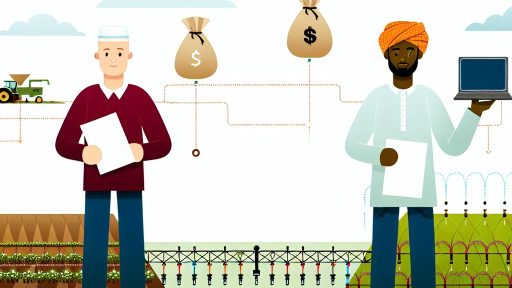




Understanding Climate Risks in Agricultural Real Estate
Types of Climate Risks
Climate risks significantly impact agricultural real estate.
These risks include extreme weather events and shifting weather patterns.
Additionally, droughts and floods can harm crop yields.
Soil erosion results from heavy rainfall, diminishing land usability.
Impact on Crop Production
Climate change affects the timing of planting and harvesting seasons.
Extreme temperatures can lead to crop failures.
Furthermore, pests thrive under changing conditions, threatening yields.
Farmers must adapt to ensure food security in an uncertain climate.
Financial Implications
Climate risks lead to economic losses for agricultural investors.
Rising insurance premiums reflect increased climate-related damages.
Lenders may hesitate to finance properties with high climate risk.
Understanding these financial implications is crucial for investors.
Strategies for Mitigation
Adopting sustainable practices can reduce climate risks significantly.
Investing in resilient crop varieties enhances adaptability to climate conditions.
Additionally, deploying soil conservation techniques helps preserve land value.
Transform Your Agribusiness
Unlock your farm's potential with expert advice tailored to your needs. Get actionable steps that drive real results.
Get StartedUtilizing technology can provide farmers with better data for decision-making.
Role of Policy and Regulation in Agricultural Climate Risk
Governments play a vital role in guiding agricultural practices.
Policies promoting sustainable agriculture can lower risks overall.
Regulations aimed at reducing carbon emissions also benefit the sector.
Investors should stay informed about changing policies and regulations.
Assessing Vulnerability of Agricultural Properties to Climate Change
Understanding Climate Change Impacts
Climate change affects agricultural properties in various ways.
It increases the likelihood of extreme weather events.
Additionally, it alters growing seasons and crop yields.
Farmers must comprehend these impacts to make informed decisions.
Identifying Relevant Vulnerability Factors
Several factors contribute to the vulnerability of agricultural properties.
First, soil quality plays a critical role in agricultural productivity.
Poor soil health may reduce crop resilience to changing conditions.
Second, water availability significantly influences agricultural viability.
An increase in drought frequency can threaten crop irrigation.
Furthermore, pest and disease varieties can adapt to changing climates.
Farmers need to monitor these factors closely.
Conducting Local Climate Assessments
Local climate assessments are essential for understanding specific vulnerabilities.
Farmers should analyze historical climate data to identify trends.
They must also assess the likelihood of future climate scenarios.
Collaboration with local agricultural extension services can provide valuable insights.
Utilizing Risk Assessment Tools
Various risk assessment tools can aid farmers in evaluating their properties.
These tools can help quantify vulnerability and identify risk mitigation strategies.
Climate modeling software can project potential impacts under different scenarios.
Additionally, telematics devices can provide real-time data about crop conditions.
Showcase Your Farming Business
Publish your professional farming services profile on our blog for a one-time fee of $200 and reach a dedicated audience of farmers and agribusiness owners.
Publish Your ProfileUtilizing these technologies can enhance decision-making processes.
Engaging in Community and Expert Collaborations
Collaboration with local farmers and agricultural experts offers many benefits.
Sharing experiences and strategies enhances collective knowledge.
Community workshops can provide training on adaptive practices.
Furthermore, collaborating with researchers can lead to innovative solutions.
Networking with local agricultural organizations can also yield valuable resources.
Developing Comprehensive Action Plans
Creating action plans helps farmers respond proactively to climate risks.
Setting clear goals and outlining actionable steps is essential.
Farmers should consider diversifying their crops to enhance resilience.
Moreover, adopting sustainable farming practices can improve soil health.
Investing in water-efficient technologies can also mitigate risks.
Finally, regularly review and adjust plans based on emerging data.
Implementing Sustainable Agricultural Practices to Enhance Resilience
Understanding Sustainable Practices
Sustainable agricultural practices focus on maintaining ecological balance.
They enhance biodiversity and improve soil health.
Moreover, these practices reduce harmful environmental impacts.
Crop Rotation and Diversity
Crop rotation maximizes land use efficiency.
Diversifying crops helps prevent soil depletion.
This method also reduces pest infestations and disease outbreaks.
Soil Management Techniques
Utilizing cover crops enhances soil quality.
Organic fertilizers improve nutrient cycling.
Additionally, implementing no-till farming conserves moisture and reduces erosion.
Water Conservation Strategies
Installing drip irrigation systems saves water resources.
Rainwater harvesting can support irrigation needs.
Furthermore, mulching reduces evaporation and improves soil health.
Integrating Technology in Agriculture
Implementing precision agriculture optimizes resource use.
Drones can monitor crop health and soil conditions.
Data analytics offers insights for better decision-making.
Building Community and Knowledge Sharing
Engaging local farmers fosters knowledge exchange.
Participating in agricultural co-ops creates stronger networks.
Additionally, workshops can educate on sustainable practices.
Policy and Financial Support
Advocating for sustainable policies can facilitate change.
Access to grants and funding encourages sustainable transitions.
Lastly, financial incentives promote environmentally friendly practices.
Learn More: Crop Breeding Innovations for Sustainable Farmland Ownership
Utilizing Technology and Data Analytics for Climate Risk Assessment
Understanding Climate Risks in Agriculture
Climate risks significantly impact agricultural productivity.
Extreme weather events threaten crop yields and soil health.
Farmers must evaluate these risks to ensure sustainability.
Data analytics offers insights into potential climate challenges.
Leveraging Technology for Data Collection
Innovative technologies enhance data collection in agriculture.
Remote sensing tools provide real-time information on weather patterns.
Showcase Your Farming Business
Publish your professional farming services profile on our blog for a one-time fee of $200 and reach a dedicated audience of farmers and agribusiness owners.
Publish Your ProfileSoil sensors monitor moisture levels and nutrient content.
Drones assist in mapping fields and assessing crop health.
Integrating Data Analytics into Risk Assessment
Data analytics transforms raw data into actionable insights.
Predictive modeling helps anticipate climate-related threats.
Farmers can make informed decisions based on historical data.
Analysis of trends assists in developing adaptive strategies.
Implementing Decision Support Systems
Decision support systems aid farmers in managing climate risks.
These systems consolidate various data sources for comprehensive analysis.
They provide recommendations on crop selection and planting times.
Farmers can optimize resources and mitigate losses effectively.
Case Studies Highlighting Successful Applications
Various farms illustrate successful implementation of data analytics.
The Willow Creek Farm used drones for crop monitoring.
This technology improved irrigation practices and boosted yields.
Similarly, the Evergreen Plains adopted predictive analytics.
Their approach minimized the impact of drought conditions.
Emerging Trends in Climate Risk Management
Advancements in technology will further enhance risk assessment.
Artificial intelligence plays a crucial role in predictive analytics.
As data availability increases, climate modeling will improve.
Farmers will need to adapt quickly to changing climate scenarios.
Gain More Insights: Drip vs. Sprinkler Irrigation: Which Is More Sustainable for Farmland?
The Role of Insurance in Mitigating Climate Risks in Agriculture
Understanding Climate Risks in Agriculture
Climate risks significantly impact agricultural productivity.
Extreme weather events like drought and flooding pose challenges.
Farmers face increasing uncertainty in crop yields and livestock health.
Thus, understanding these risks is crucial for sustainable farming.
The Importance of Insurance
Insurance acts as a safety net for farmers against climate risks.
It provides financial protection when natural disasters occur.
Moreover, insurance fosters resilience within the agricultural sector.
Farmers can recover more quickly from environmental shocks.
Additionally, it promotes investment in innovative farming practices.
Types of Insurance Available
Several insurance types help mitigate climate-related risks.
- Crop insurance covers loss due to natural disasters.
- Livestock insurance protects farmers from animal health risks.
- Farm property insurance safeguards equipment and infrastructure.
Understanding these options empowers farmers to choose wisely.
Choosing the Right Insurance Policy
Selecting an appropriate insurance policy requires careful consideration.
Farmers should analyze their specific risks and needs.
It is essential to examine policy coverage limits and exclusions.
Furthermore, comparing different providers can lead to better rates.
Consulting agricultural experts also aids in making informed decisions.
Government Support and Subsidies
Government programs often support agricultural insurance initiatives.
Subsidies can reduce premium costs for farmers significantly.
Additionally, some programs offer educational resources on risk management.
Exploring these options can enhance the protection available.
Showcase Your Farming Business
Publish your professional farming services profile on our blog for a one-time fee of $200 and reach a dedicated audience of farmers and agribusiness owners.
Publish Your ProfileDevelopments Shaping the Future of Agricultural Insurance
The landscape of agricultural insurance is evolving rapidly.
Insurers are beginning to incorporate climate data into policies.
This trend promotes proactive measures against future risks.
In turn, it encourages sustainable practices among farmers.
Ultimately, a robust insurance framework strengthens food security globally.
Learn More: Strategies for Preventing Soil Degradation in Residential Landscapes
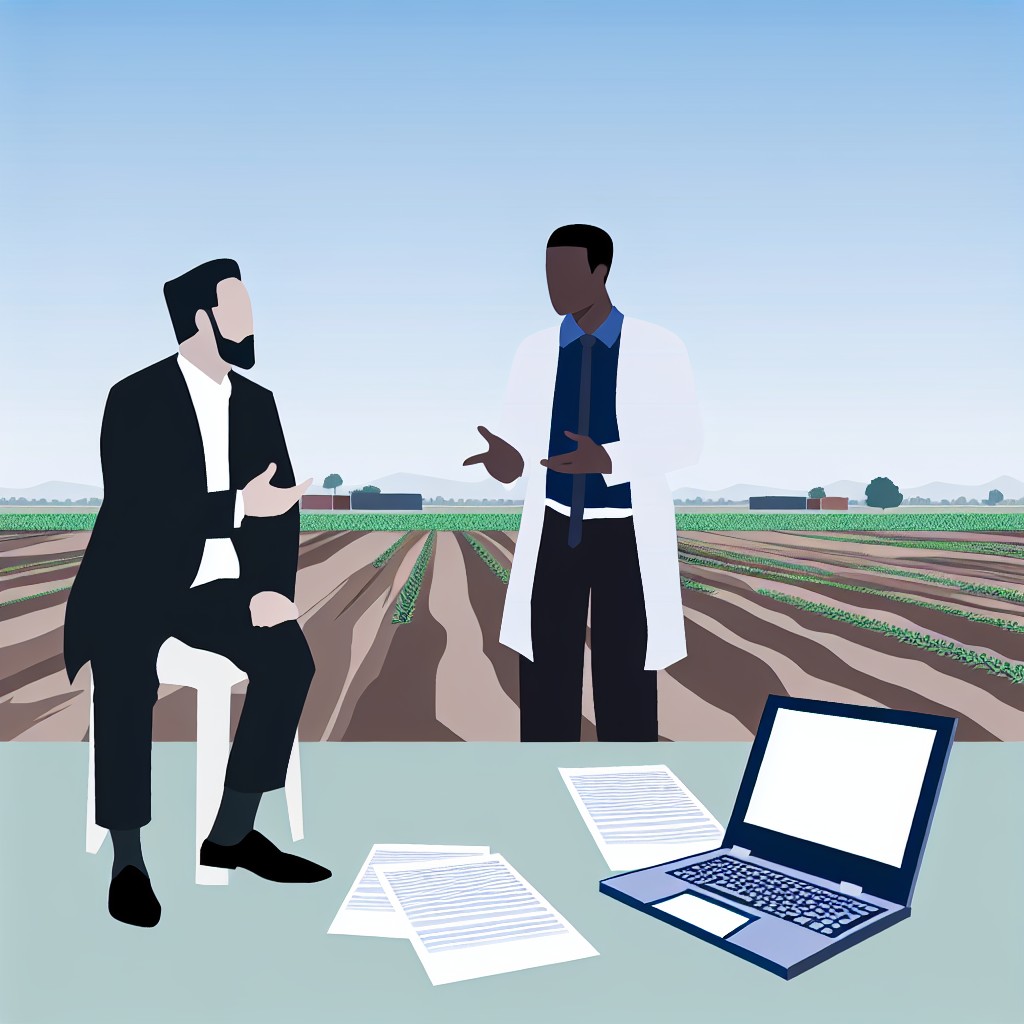
Developing an Adaptive Management Plan for Agricultural Investments
Identifying Climate Risks
The first step involves identifying specific climate risks affecting agricultural real estate.
These risks can include droughts, floods, and extreme weather events.
Additionally, consider factors like changing temperature patterns and shifting growing seasons.
Assessing Vulnerabilities
Next, conduct a vulnerability assessment to understand how these risks impact your investments.
Evaluate the resilience of crops, soil, and infrastructure on your land.
Moreover, analyze historical data to identify trends and patterns in climate impacts.
Implementing Sustainable Practices
Adopting sustainable agricultural practices can significantly mitigate risks.
These practices include crop rotation, cover cropping, and integrated pest management.
Furthermore, utilizing water conservation techniques can enhance resilience during droughts.
Engaging Stakeholders
Engaged stakeholders can provide valuable insights and resources for risk management.
Collaborate with local agricultural extensions and environmental agencies.
This collaboration may lead to improved strategies and shared learning opportunities.
Monitoring and Evaluation
Regularly monitor climate conditions and the performance of your adaptive strategies.
This ongoing evaluation allows for timely adjustments to your management plan.
Furthermore, maintaining flexibility ensures your plan remains effective against changing conditions.
Establishing a Long-Term Vision for Sustainability and Resilience
Establish a long-term vision focused on sustainability and resilience.
Your vision should adapt to both current and anticipated climate challenges.
Additionally, incorporate feedback from monitoring efforts to refine your approach.
Discover More: Federal and State Incentives for Climate-Resilient Farm Investments
Collaboration with Local Governments and Organizations for Climate Adaptation
Building Partnerships
Partnering with local governments enhances climate resilience in agricultural real estate.
Engagement fosters collaboration on sustainable practices and policies.
Local organizations contribute valuable insights and resources for adaptation.
These partnerships can lead to stronger community networks and shared goals.
Adopting Comprehensive Plans
Local governments develop comprehensive climate action plans.
Agricultural stakeholders should actively participate in these planning processes.
This involvement ensures that agricultural needs and realities inform local strategies.
Consequently, farmers can receive tailored support and resources.
Leveraging Funding Opportunities
Collaboration opens pathways to funding opportunities for climate adaptation.
Grants from government agencies support innovative agricultural practices.
Investing in green infrastructure reduces vulnerability to climate risks.
Organizations can also offer technical assistance to secure funding.
Sharing Best Practices
Collaboration encourages the sharing of best practices among local farmers.
Workshops and seminars can highlight successful climate adaptation strategies.
These educational events promote knowledge exchange and community resilience.
Showcase Your Farming Business
Publish your professional farming services profile on our blog for a one-time fee of $200 and reach a dedicated audience of farmers and agribusiness owners.
Publish Your ProfileAdditionally, online platforms can facilitate ongoing discussions and resource sharing.
Monitoring and Evaluating Impact
Regular assessment of climate adaptation efforts is crucial.
Local governments and organizations should monitor agricultural practices.
This evaluation helps in identifying effective strategies and areas for improvement.
Data-driven decisions can enhance long-term adaptation strategies.
Educating Stakeholders on Climate Risks and Mitigation Strategies
Importance of Education
Understanding climate risks is crucial for effective agricultural management.
Education empowers stakeholders to make informed decisions.
It fosters a culture of sustainability and resilience.
Identifying Key Stakeholders
Farmers are on the frontlines of climate impacts.
Investors play a critical role in shaping agricultural practices.
Communities must be engaged to drive local initiatives.
Policy-makers influence regulations that affect the industry.
Developing Educational Resources
Cultivating effective educational materials is essential.
Utilize workshops to provide hands-on learning experiences.
Create online resources for broader accessibility.
Leverage partnerships with universities for research-based insights.
Implementing Training Programs
Offer regular training sessions to keep stakeholders informed.
Focus on practical strategies for mitigating climate risks.
Encourage peer-to-peer learning for shared experiences.
Promoting Awareness Campaigns
Use social media to reach wider audiences effectively.
Share success stories that illustrate practical solutions.
Engage local media to amplify awareness efforts.
Monitoring the Effectiveness of Educational Initiatives
Measure the effectiveness of educational initiatives regularly.
Gather feedback from participants to improve programs.
Adjust strategies based on evaluation results for continuous improvement.
Additional Resources
Climate Change Impacts on Agriculture and Food Supply | US EPA
Climate Change 2022: Impacts, Adaptation and Vulnerability …