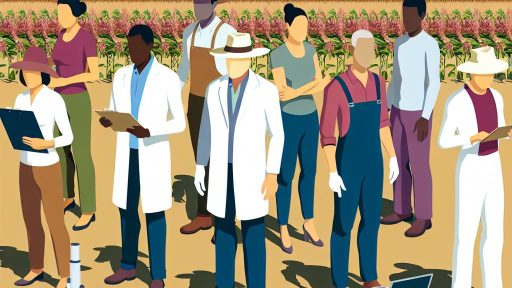




Introduction to Pest Risks in Agriculture
Pest risks significantly affect agricultural real estate.
Common pests threaten crop yields and quality.
Moreover, climate stress exacerbates these risks.
Changes in temperature and rainfall patterns influence pest populations.
This section explores the interplay between pests and climate change.
Impact of Climate Change on Pest Dynamics
Climate change alters habitats and makes them more conducive to pests.
Warmer temperatures can accelerate pest reproduction rates.
Additionally, altered rainfall patterns can expand pest ranges.
Consequently, farmers face new challenges in pest management.
Common Pests in Agriculture
Numerous pests threaten agricultural productivity.
Insects such as aphids, locusts, and beetles are prevalent.
Fungal diseases like powdery mildew also pose risks.
Weeds compete with crops for nutrients and water.
Understanding these threats is crucial for effective management.
Significance of Pest Management Strategies
Effective pest management ensures healthy crop production.
Transform Your Agribusiness
Unlock your farm's potential with expert advice tailored to your needs. Get actionable steps that drive real results.
Get StartedIntegrated Pest Management (IPM) provides a holistic approach.
This includes monitoring pest populations and using biological controls.
Additionally, cultural practices like crop rotation mitigate pest impact.
Farmers must adapt strategies in response to changing conditions.
Understanding Climate Stress and Its Impact on Pest Populations
This section explains how weather changes affect pests and ecosystems.
It outlines factors that influence pest behavior and survival.
Readers learn implications for farming and pest management decisions.
Defining Climate Stress
Climate stress refers to negative effects of weather changes on ecosystems.
It includes increased temperatures, altered precipitation patterns, and extreme events.
Such shifts can disrupt the balance of natural habitats.
Influence on Pest Populations
Climate stress can cause proliferation of pest species.
Rising temperatures often accelerate pest reproduction rates.
Moreover many pests expand their geographical ranges under improved survival conditions.
Some species migrate northward seeking warmer climates.
Impact on Agricultural Practices
Pest expansion raises significant concerns for agriculture.
Farmers face increased demand for pest control measures.
This trend can increase operational costs for farms.
It may also reduce crop yields and product quality.
Understanding Pest Life Cycles
Climate stress affects the life cycles of many pests.
Higher temperatures can shorten developmental periods for insects.
Shorter development yields more generations within a season.
Consequently populations can grow rapidly over short times.
Symbiotic Relationships and Pest Control
Altered ecosystems also affect natural pest control methods.
Predator numbers may decline from habitat loss or food changes.
Showcase Your Farming Business
Publish your professional farming services profile on our blog for a one-time fee of $200 and reach a dedicated audience of farmers and agribusiness owners.
Publish Your ProfilePest management strategies must adapt to these changing conditions.
Using integrated pest management practices can help mitigate risks.
Identifying High-Risk Areas
Identifying areas at greater risk is essential.
Regions vulnerable to extreme weather can attract more pests.
Monitoring weather patterns and pest activity helps locate these zones.
Farmers should prioritize early intervention in high risk zones.
Adapting Agricultural Practices to Climate Stress
Farmers must adapt to pest challenges driven by climate stress.
They should adopt innovative practices and monitor changing conditions.
Proactive measures help sustain agricultural productivity amid new risks.
Assessing Agricultural Real Estate Vulnerabilities to Pests
Understanding vulnerabilities is crucial for agricultural real estate management.
Monitoring local climate trends assists in understanding these factors better.
Regular monitoring is essential to assess pest activity levels.
Identifying Key Vulnerabilities
Pests thrive in specific environmental conditions, which are changing due to climate stress.
Identifying local pest populations is the first step in risk assessment.
Furthermore, assessing crop types planted on the property helps pinpoint specific risks.
Different crops attract different pests, influencing vulnerability significantly.
Evaluating Environmental Factors
Environmental conditions impact pest presence and behavior.
For instance, drought conditions may lead to pest population surges.
Increased rainfall events can also introduce pests and diseases into new areas.
Therefore, using mapping tools can help visualize risk areas.
Assessing Soil Health
Soil health significantly affects vulnerability to pests.
Healthy soils typically support resilient crops that can withstand pest pressures.
Conversely, degraded soils may foster pest outbreaks.
Testing soil nutrients and organic matter can indicate potential vulnerabilities.
Additionally, improving soil health through organic amendments can mitigate pest risks.
Monitoring Pest Activity
Establishing a pest surveillance program provides valuable insights.
Traps can help track pest populations over time and inform management strategies.
Using technology like mobile apps simplifies data collection and analysis.
Consequently, informed decisions can be made promptly to manage pest threats.
Collaborating with Experts
Engaging with pest management professionals enhances overall strategy effectiveness.
Local extension services often provide resources and guidance tailored to specific regions.
Networking within the agricultural community can yield valuable pest management insights.
Workshops and seminars also offer opportunities to stay updated with best practices.
Moreover, collaboration fosters a shared approach, benefiting the entire farming community.
Uncover the Details: Integrating Agroforestry for Sustainable Property Development Plans
Integrated Pest Management Strategies for Climate-Influenced Settings
Climate change alters pest distributions and activity across agricultural landscapes.
Rising temperatures often accelerate pest reproduction and life cycles.
Changing rainfall patterns also create environments that support pest survival.
Understanding Climate Impact on Pest Populations
Understanding how weather patterns influence pests helps farmers plan responses.
For example, warmer seasons may shorten pest generation times and increase populations.
Showcase Your Farming Business
Publish your professional farming services profile on our blog for a one-time fee of $200 and reach a dedicated audience of farmers and agribusiness owners.
Publish Your ProfileConsequently, altered precipitation can extend pest survival in some fields.
Key Components of Integrated Pest Management
Integrated pest management uses multiple strategies to control pests sustainably.
Regular monitoring enables early detection and targeted responses.
Biological controls and cultural practices can disrupt pest life cycles effectively.
Physical controls, such as traps, help reduce immediate crop damage.
Using Technology in Pest Management
Technology now supports more precise pest monitoring across fields.
Remote sensing helps detect crop stress and potential pest presence early.
Apps and data analytics deliver timely insights that inform management choices.
Moreover, drones provide aerial surveillance for detailed field assessments.
Education and Training for Farmers
Continuous education helps farmers manage evolving pest risks.
Farmers should attend workshops about new pest management strategies.
Online resources provide accessible information on integrated pest management practices.
Collaboration with local agricultural experts improves problem solving on farms.
Adapting IPM Strategies to Local Conditions
Farmers must adapt IPM strategies to their specific agricultural settings.
Knowing local pest species and seasonal trends guides appropriate measures.
Considering ecological characteristics improves long term control outcomes.
Thus, local adaptation enhances the effectiveness of pest control efforts.
Evaluating and Adjusting Pest Management Plans
Regular evaluation keeps pest management plans relevant.
Farmers should track pest levels and assess strategy effectiveness over time.
Adjust plans when results or changing climate conditions require new measures.
Flexible approaches sustain pest control under evolving environmental pressures.
Delve into the Subject: Future-Proofing Farmland Against Climate Change Impacts
Role of Soil Health in Pest Resistance and Management
Soil health is vital for productive agriculture.
It influences pest resistance and overall crop vitality.
Healthy soils are rich in nutrients and organic matter.
Understanding Soil Health
This rich environment supports beneficial organisms.
Healthy soil fosters a diverse microbial community.
Adding organic matter improves soil structure and function.
Soil Microorganisms and Pest Control
Microorganisms play a crucial role in pest management.
They help decompose organic material, releasing nutrients.
Moreover, they can inhibit harmful pest populations.
This diversity enhances resilience against pests.
The Importance of Nutrient Balance
Nutrient balance directly affects plant health.
Well-nourished plants are more resistant to pests.
They can also recover faster from pest damage.
Regular soil testing ensures proper nutrient levels are maintained.
Investing in Organic Matter
It enhances moisture retention and nutrient availability.
This leads to healthier crops that fend off pests better.
Compost and cover crops are excellent sources of organic matter.
Implementing Crop Rotation
Crop rotation helps disrupt pest life cycles.
Showcase Your Farming Business
Publish your professional farming services profile on our blog for a one-time fee of $200 and reach a dedicated audience of farmers and agribusiness owners.
Publish Your ProfileDifferent crops attract various pests and diseases.
This practice can reduce pest populations significantly.
Additionally, it promotes soil diversity and health.
Utilizing Cover Crops
Cover crops prevent soil erosion and improve soil health.
They also enrich the soil with organic matter.
Moreover, cover crops can suppress weeds that harbor pests.
Selector species like clover or rye can be particularly effective.
Adopting Integrated Pest Management
IPM combines biological, cultural, and mechanical strategies.
This approach minimizes pest impact while maintaining soil health.
Healthy soil strengthens the efficacy of IPM techniques.
Farmers should monitor pest populations accurately for effective control.
Promoting Biodiversity
Biodiversity in farming systems enhances resilience.
Diverse ecosystems support beneficial insects and pollinators.
These species help manage pest populations naturally.
Practices like planting wildflowers attract beneficial predatory insects.
You Might Also Like: How Renewable Energy Incentives Affect Farmland Real Estate Prices
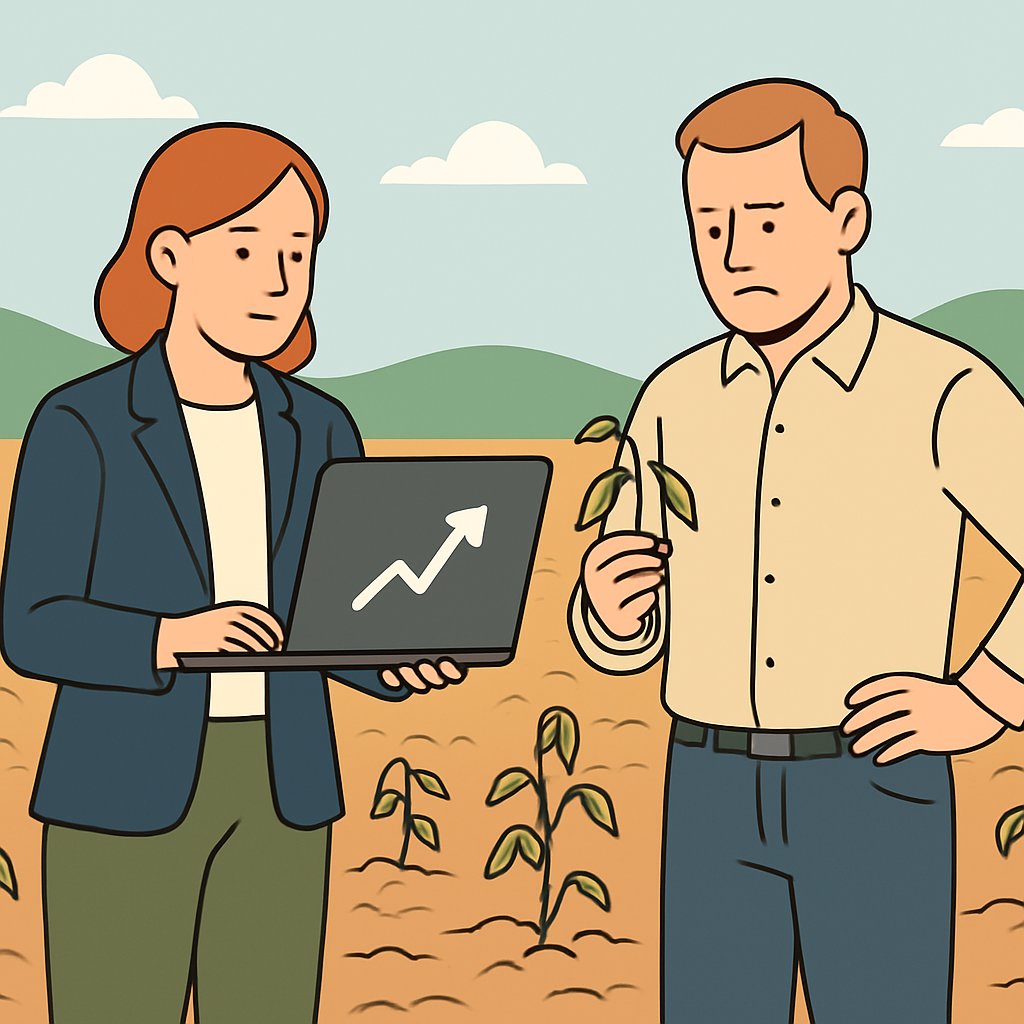
Utilizing Technology and Data Analytics for Pest Risk Assessment
Remote sensing provides real time insights into crop conditions.
Soil sensors help monitor environmental factors.
Predictive analytics can forecast potential pest risks.
Introduction to Technology in Pest Management
Technology plays a crucial role in modern pest management.
It enhances accuracy in pest risk assessments.
Moreover, it allows timely interventions within agricultural systems.
Data Collection Methods
Various methods exist to collect relevant pest data.
Additionally, soil sensors help monitor environmental factors.
These methods assist in predicting pest infestations.
Data Analytics Techniques
Data analytics techniques are essential for effective assessment.
Machine learning models identify pest patterns over time.
Statistical analysis uncovers correlations between environmental stressors and pest outbreaks.
Integration of Technology in Pest Management Strategy
Integrating technology into pest management leads to better outcomes.
Farmers can utilize mobile apps for pest identification and monitoring.
These applications provide actionable advice based on current data.
Case Studies of Successful Implementation
Numerous case studies demonstrate the effectiveness of technology.
A study by Greenfield Farms showcased a 30% reduction in pest damage using data analytics.
Smith & Sons implemented drones for crop monitoring and improved pest control strategies.
Challenges and Limitations
Despite the advantages, challenges remain in technology adoption.
Cost barriers can restrict access for small farmers.
The need for training on new technologies is essential.
Data privacy issues may arise with extensive data collection.
Future Directions
The future of pest management lies in continuous technological innovation.
Advancements in artificial intelligence can improve pest forecasting capabilities.
Showcase Your Farming Business
Publish your professional farming services profile on our blog for a one-time fee of $200 and reach a dedicated audience of farmers and agribusiness owners.
Publish Your ProfileMoreover, collaborative platforms can enhance data sharing among farmers.
Ultimately, these developments will foster more resilient agricultural practices.
Uncover the Details: Understanding Drought-Resistant Crops for Agricultural Land Development
Community Collaboration for Effective Pest Mitigation Strategies
Community collaboration strengthens regional defenses against pest threats.
Furthermore, sharing resources and experiences supports local mitigation efforts.
Stakeholders who work together can achieve more effective pest control.
The Importance of Local Networks
Local networks play a critical role in pest management.
Farmers can share experiences and solutions effectively.
Collaboration creates stronger defenses against pests.
Additionally, networking enhances the sharing of resources.
Building Partnerships Among Stakeholders
Forming partnerships is essential for effective pest management.
Involve local agricultural organizations and universities.
Encourage participation from government agencies as well.
Partnerships foster access to research and best practices.
Organizing Community Workshops
Workshops engage farmers in learning about pest management.
Invite experts to share knowledge and innovative strategies.
Focus on sustainable practices and integrated pest management.
These workshops provide hands-on training and demonstrations.
Implementing Monitoring Programs
Establish monitoring programs to track pest populations.
Utilize technology for more efficient data collection.
Encourage farmers to share findings within the community.
Frequent assessments allow for timely interventions.
Creating Action Plans
Developing action plans ensures proactive pest control measures.
Incorporate feedback from all stakeholders in the process.
Regular updates keep the plans relevant and effective.
Action plans should be based on current pest trends and research.
Sharing Success Stories
Celebrate successful pest management strategies within the community.
Sharing these stories inspires others to take action.
Highlight the benefits of collaborative efforts.
By showcasing successes, communities feel empowered to combat pests.
Long-Term Planning and Sustainability in Pest Management Practices
Long-term planning is essential in agricultural pest management.
It allows farmers to anticipate future challenges.
Furthermore, planning enhances resilience against shifting climate conditions.
Also, it supports sustainable agricultural practices.
Integrating Sustainable Practices
Incorporating sustainability into pest management is vital.
This approach minimizes environmental impact while maximizing productivity.
Additionally, farmers can adopt integrated pest management strategies.
These strategies blend biological, cultural, and chemical methods.
Identifying Future Pest Threats
Farmers must stay informed about potential pest threats.
Climate change alters pest behavior and life cycle patterns.
Showcase Your Farming Business
Publish your professional farming services profile on our blog for a one-time fee of $200 and reach a dedicated audience of farmers and agribusiness owners.
Publish Your ProfileResearch can help identify emerging pest risks.
Monitoring trends will enhance proactive management efforts.
Building Partnerships and Collaborations
Collaboration among stakeholders is crucial for successful pest management.
Farmers can partner with researchers and extension services.
These partnerships promote knowledge sharing and innovation.
Additionally, collective action enhances community-wide pest control efforts.
Utilizing Technology and Data
Technology plays a significant role in modern pest management.
Data analytics allow effective monitoring of pest populations.
Predictive modeling tools improve decision-making for interventions.
Consequently, timely actions reduce risks to crop yields.
Training and Education
Continuous education is essential for farmers managing pests.
Regular training helps farmers learn new practices and technologies.
Workshops and seminars foster knowledge retention and practical application.
Educated farmers respond more effectively to pest challenges.
Evaluating and Adapting Strategies
Regular evaluation of pest management strategies is necessary.
This assessment identifies successes and areas for improvement.
Farmers should adapt methods based on findings and changing conditions.
Such flexibility maintains ongoing effectiveness of pest control measures.