



Introduction to Agricultural Pests and Their Importance in Rural Economies
Agricultural pests significantly impact farming practices in rural areas.
They harm crops and livestock, leading to reduced yields.
This decline directly affects farmer income.
Consequently, it influences property values in these communities.
Understanding agricultural pests remains crucial for rural economics.
Farmers need to identify and manage pests effectively.
These actions can mitigate financial losses caused by pest infestations.
Agricultural pests vary widely in type and impact.
Common pests include insects, rodents, and weeds.
Each pest poses unique challenges for farmers.
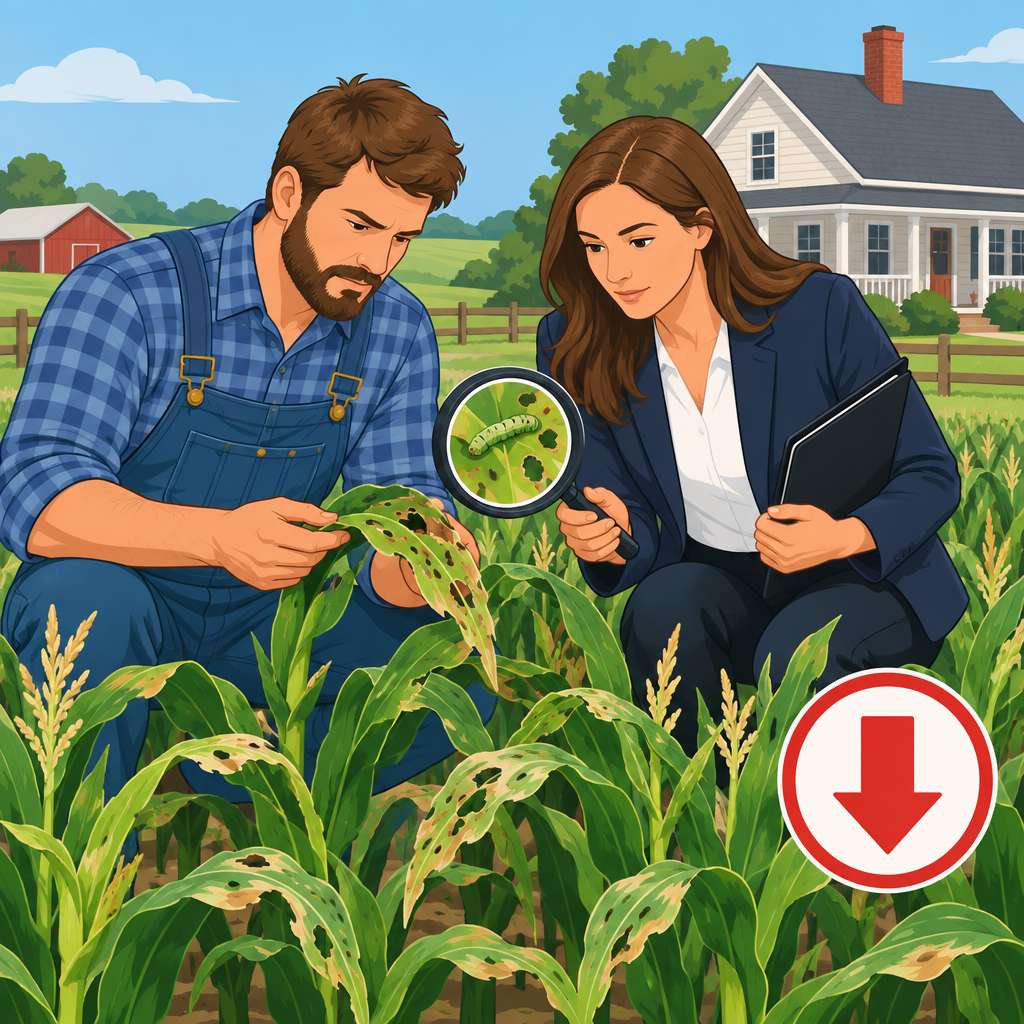
For instance, insects can reproduce rapidly and cause extensive crop damage.
Moreover, rodents may consume harvested grains and damage equipment.
Meanwhile, weeds compete with crops for nutrients and water.
However, pest outbreaks create consequences beyond yield losses.
They can alter market dynamics within rural economies.
Transform Your Agribusiness
Unlock your farm's potential with expert advice tailored to your needs. Get actionable steps that drive real results.
Get StartedAdditionally, investors may view pest-infested areas as high-risk.
As a result, property values may decline significantly.
Effective pest management strategies help sustain property values.
Furthermore, farmers who implement integrated pest management (IPM) tend to perform better.
IPM combines biological, cultural, physical, and chemical strategies.
This diversity enhances the overall resilience of agricultural operations.
Meanwhile, rural communities benefit greatly from healthy agricultural practices.
Therefore, pest management remains essential for economic stability.
By strengthening agricultural productivity, rural areas can thrive.
Addressing agricultural pests requires collective effort.
Farmers, local governments, and researchers must work together.
This collaboration can support a prosperous future for rural economies.
Types of Agricultural Pests Commonly Found in Rural Areas
Several pest groups affect agricultural systems.
These groups include insects, weeds, rodents, and pathogens.
Each group damages crops or farming resources in different ways.
Insects
Insects damage crops and reduce agricultural yields.
Common insect pests include aphids, caterpillars, and beetles.
Aphids feed on plant sap and gradually weaken plants.
Their presence often signals a broader pest problem.
Caterpillars, including corn earworms, can severely damage crops.
They bore into fruits and vegetables, making those crops unmarketable.
Beetles, such as Colorado potato beetles, threaten specific crops.
These pests reproduce rapidly and can create serious infestations.
Weeds
Weeds compete with crops for essential resources.
Showcase Your Farming Business
Publish your professional farming services profile on our blog for a one-time fee of $200 and reach a dedicated audience of farmers and agribusiness owners.
Publish Your ProfileThey absorb water and nutrients needed for healthy crop growth.
Therefore, farmers must manage weeds during the growing season.
Common weed types include dandelions, thistles, and crab grass.
Each type creates distinct challenges for farmers.
Dandelions spread quickly and develop deep roots.
Thistles can overshadow crops and hinder their growth.
Crab grass can affect soil quality and crop density.
Rodents
Rodents can cause extensive damage across agricultural properties.
They consume seeds, crops, and stored grain.
Consequently, their activity can create economic losses for farmers.
Common agricultural rodents include mice, voles, and rats.
These species thrive in rural settings and increase agricultural damage.
Mice reproduce rapidly and can increase their populations quickly.
Meanwhile, voles burrow underground and damage plant root systems.
Rats can carry diseases that threaten livestock and humans.
Pathogens
Pathogens, including fungi and bacteria, affect agricultural systems.
They cause crop diseases that can destroy harvests.
Farmers must identify pathogens quickly to manage them effectively.
Common fungal diseases include powdery mildew and blight.
These diseases spread rapidly during warm, humid conditions.
As a result, fungal infections can cause severe crop losses.
Bacterial infections often cause wilting or leaf spots.
They can affect an entire field within a short time.
Therefore, farmers need consistent vigilance when managing crop diseases.
Property Value Risks from Pest Infestations
Agricultural pests can reduce the value of rural properties.
They also create financial pressure for farmers and landowners.
In addition, visible infestations can weaken a property’s visual appeal.
Economic Consequences
Infestations can reduce crop yields and weaken farm revenue.
Lower earnings may affect property prices in nearby areas.
Consequently, reduced income can limit owners’ ability to maintain their land.
This financial pressure can spread through the surrounding community.
Buyer Perception
Buyers may view infested properties as investments with added risk.
Therefore, some purchasers avoid areas with known pest problems.
Properties needing control treatments may also attract fewer offers.
That caution can keep local values below their potential.
Long-Term Effects on Property Values
Persistent pest problems can cause substantial property value declines over time.
For instance, homes near infested farms may sell for lower prices.
Lower prices can reduce investment across the community.
Eventually, neglected areas may become less desirable to prospective buyers.
Mitigation Strategies
Owners can use pest management strategies to protect property value.
Showcase Your Farming Business
Publish your professional farming services profile on our blog for a one-time fee of $200 and reach a dedicated audience of farmers and agribusiness owners.
Publish Your ProfileRegular inspections help identify problems before they become more serious.
Timely treatments can protect crops and reduce property damage.
Community education can also support consistent pest management practices.
- Local workshops can teach practical pest control methods.
- Community gardens can encourage greater biodiversity.
- Partnerships with pest management professionals can strengthen local support.
Discover More: Climate Change and Its Role in Pest Infestation Near Farmland Homes
Case Studies: Rural Pest Impacts and Property Value Changes
Several rural regions experienced pest problems that affected crops, health, and property values.
These cases show how communities responded through control programs, education, and public awareness.
However, affected properties often recovered their value slowly.
Beetle Infestations in Southern Iowa
Southern Iowa faced severe beetle infestations last year.
Consequently, farmers reported crop yield decreases of up to 30 percent.
This decline caused property values across the region to fall significantly.
In response, local governments launched pest control programs.
Nevertheless, many properties continued struggling to regain their former value.
Locust Swarms in Eastern Colorado
Eastern Colorado experienced damaging locust swarms during the summer.
The swarms devastated crops and pastures across affected areas.
As a result, property values in those areas plummeted by 20 percent.
Meanwhile, communities increased awareness and provided education about pest management.
Despite these efforts, affected areas have recovered slowly.
Tick-Borne Illnesses in Rural Wisconsin
Rural Wisconsin has recorded a rise in tick-borne illnesses in recent years.
This increase reduced the appeal of properties located near wooded areas.
Consequently, property values in those regions decreased by approximately 15 percent.
To address the issue, local healthcare officials promoted awareness campaigns.
Even so, some homeowners still face difficulties selling their houses.
Invasive Plant Species in North Carolina
North Carolina has faced growing threats from invasive plant species.
These plants disrupt local ecosystems and affect agricultural activities.
Nearby farms have experienced significant property value declines.
Therefore, communities have started initiatives to control these invasive species.
Nevertheless, the long-term effects on property values remain uncertain.
Discover More: Pest and Disease Risks for Farms Near Residential Communities
Direct Effects on Property Values
Agricultural pests can directly reduce property values in rural areas.
Reduced crop yields and higher management costs often drive this decline.
Consequently, farmers absorb substantial losses when pests infest their fields.
These losses can weaken the community’s broader economic health.
As a result, residents may see their home values decline.
Indirect Effects on Community Reputation
A community’s reputation can suffer when agricultural pests become prevalent.
Potential buyers often avoid areas associated with recurring pest problems.
This avoidance creates stigma and further reduces property demand.
Therefore, properties in affected regions may remain on the market longer.
Market Dynamics and Buyer Psychology
Pest presence can significantly influence how buyers evaluate properties.
Many buyers prioritize environments without visible agricultural pest issues.
This preference increases competition for properties that avoid pest concerns.
Showcase Your Farming Business
Publish your professional farming services profile on our blog for a one-time fee of $200 and reach a dedicated audience of farmers and agribusiness owners.
Publish Your ProfileConsequently, pest-affected properties may sell for lower prices.
Long-Term Consequences for Real Estate Development
Real estate developers may reconsider projects in pest-affected areas.
They often avoid regions that buyers perceive as problematic.
This hesitation can slow economic growth and rural development.
Over time, these patterns may contribute to community decline.
Strategies for Mitigating Pest Impact
Communities can adopt coordinated strategies to manage agricultural pests.
Collaborative pest management programs can strengthen local resilience.
Additionally, pest control technologies can help protect property values.
Educating farmers about integrated pest management can also produce benefits.
These initiatives can increase the appeal of rural properties.
Uncover the Details: How Soil Compaction Affects Real Estate Development and Land Use
Preventive Measures and Pest Management Strategies for Property Owners
Property owners can protect rural assets through planned pest management.
These measures support agricultural productivity and long-term sustainability.
A practical program combines prevention, monitoring, and targeted control.
Understanding the Importance of Pest Management
Effective pest management helps protect property values in rural areas.
It also supports agricultural productivity and sustainable land use.
Therefore, property owners should prioritize suitable pest control strategies.
Understanding potential threats enables owners to make informed decisions.
Identifying Common Agricultural Pests
Accurate identification provides the foundation for effective pest management.
Common agricultural pests include aphids, crop weevils, and grasshoppers.
Each pest creates different challenges for crop owners.
Regular crop monitoring helps owners detect problems early.
Implementing Preventive Measures
Preventive measures reduce the likelihood of serious pest infestations.
For example, crop rotation interrupts pest life cycles.
It also improves soil health and supports stronger crops.
Additionally, pest-resistant varieties and healthy soil provide further protection.
Utilizing Integrated Pest Management
Integrated Pest Management, or IPM, combines several control strategies.
This approach includes monitoring, prevention, and carefully selected controls.
Understanding pest life cycles strengthens each IPM decision.
Property owners should track pest populations regularly.
Employing Organic and Chemical Controls
Organic controls use natural substances to deter or manage pests.
Examples include neem oil, diatomaceous earth, and insecticidal soaps.
However, severe infestations may require chemical controls.
Always follow pesticide label instructions during application.
Engaging Professional Pest Control Services
Professional pest control services can provide targeted assistance.
Their expertise helps address extensive infestations effectively.
Choose a reputable company with rural pest management experience.
Regular consultations can help maintain healthy crops.
Educating Yourself and Neighbors
Education helps property owners prevent recurring pest problems.
For instance, local agricultural workshops provide useful training.
Showcase Your Farming Business
Publish your professional farming services profile on our blog for a one-time fee of $200 and reach a dedicated audience of farmers and agribusiness owners.
Publish Your ProfileSharing knowledge with neighbors creates a supportive community.
Through collaboration, property owners can strengthen pest management strategies.
Delve into the Subject: How to Improve Soil Health for Sustainable Landscaping in Real Estate
Government Policies and Funding for Pest Control and Rural Property Protection
Government policies guide pest control efforts across rural areas.
These policies encourage sustainable agricultural practices and effective pest management.
Funding programs also help farmers protect crops, livestock, and property values.
Government Involvement in Rural Pest Control
Government agencies establish guidelines for sustainable agricultural practices.
Furthermore, these guidelines help farmers manage pest populations effectively.
As a result, coordinated policies support healthier rural properties and agricultural operations.
Funding Mechanisms for Pest Control
Various funding programs support pest management initiatives.
These programs typically address both prevention and control measures.
For example, federal grants can help farmers purchase pest control equipment.
Additionally, state funding may provide access to specialized training.
Effects on Rural Property Values
Effective pest control directly influences property values in rural communities.
Without intervention, infestations can damage crops and livestock.
Consequently, affected conditions may cause property values to decline sharply.
Conversely, proactive pest management can strengthen market stability.
Examples of Successful Pest Control Policies
Several states have implemented successful pest control regulations.
For instance, Ohio’s agricultural department offers financial assistance to farmers.
This support helps farmers adopt innovative pest management strategies.
Meanwhile, California’s Integrated Pest Management program promotes eco-friendly practices.
Community Involvement and Pest Control Education
Community engagement remains essential for effective pest control programs.
Local workshops can teach farmers to identify and manage pests.
These initiatives foster collaboration between farmers and agricultural experts.
Moreover, community participation strengthens accountability and program involvement.
Future Trends: Climate Change, Pest Populations, and Property Values
Climate change may alter the conditions that shape pest populations across agricultural areas.
These shifts can influence farming decisions, crop performance, and the appeal of affected properties.
Therefore, future planning must consider environmental change, pest management, and rural property values together.
Increasing Pest Populations
Climate change may support the growth of certain agricultural pests.
Warmer temperatures allow some pests to survive for longer periods.
Additionally, altered rainfall patterns can create favorable breeding conditions.
As a result, farmers may experience more significant pest outbreaks.
These outbreaks can reduce crop yields and weaken farm profitability.
Impact on Agriculture
As pest populations increase, crop damage can escalate quickly.
Farmers may need to invest more money in pest control measures.
Those additional costs can reduce profit margins.
Moreover, repeated pest problems may lower crop quality.
Consequently, reduced quality can affect market prices.
Influence on Property Values
Potential buyers often evaluate agricultural productivity when they consider rural property purchases.
High pest populations may discourage some potential buyers.
Showcase Your Farming Business
Publish your professional farming services profile on our blog for a one-time fee of $200 and reach a dedicated audience of farmers and agribusiness owners.
Publish Your ProfileAs a result, affected properties may remain on the market longer.
Furthermore, lower property values can reflect agricultural challenges within an area.
These changes may create financial pressure for rural residents.
Future Forecasts and Research
Research remains essential for understanding how pests respond to climate change.
Experts predict that new pest strains may emerge as conditions shift.
Meanwhile, new technologies may help farmers monitor and manage pests.
Adaptive farming practices can also reduce these potential challenges.
Investment in research and development can strengthen agricultural resilience.