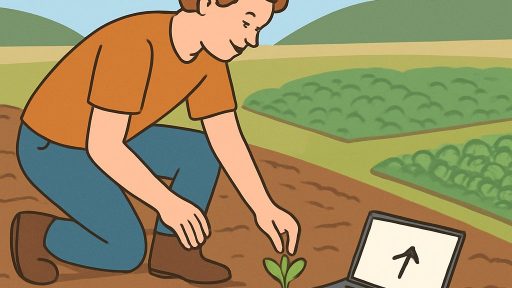




Understanding Soil Erosion: Causes and Consequences
This content explains causes and consequences of soil erosion.
The focus includes environmental, economic, and social impacts.
Readers will see common drivers and resulting harms.
What Causes Soil Erosion?
Soil erosion occurs when the top layer of soil is worn away.
Water runoff often carries soil particles downhill or into waterways.
Strong winds can blow loose soil away from the land.
Deforestation removes vital root systems that hold soil in place.
Poor land management practices increase soil vulnerability.
Overgrazing by livestock exposes soil to erosion forces.
Urban development and construction can disrupt natural soil stability.
Effects of Soil Erosion on the Environment
Eroded soil reduces land fertility, impacting plant growth significantly.
It diminishes agricultural productivity and threatens food security.
Sedimentation clogs rivers and streams, harming aquatic life.
This sediment reduces water quality and affects fish habitats severely.
Soil erosion increases the risk of flooding in nearby areas.
Transform Your Agribusiness
Unlock your farm's potential with expert advice tailored to your needs. Get actionable steps that drive real results.
Get StartedIt contributes to the loss of natural vegetation cover.
Economic and Social Consequences
Farmers suffer from decreased crop yields due to soil loss.
This can lead to reduced income and economic instability in rural areas.
Communities dependent on agriculture face food shortages and higher costs.
Severe erosion can force people to abandon their land.
Governments often bear increased costs for land restoration efforts.
Long-term soil degradation can hinder regional development and sustainability.
Selecting the Right Plants for Erosion Control
Choosing plants with strong root systems helps bind the soil firmly.
Native plants adapt naturally to the environment and require less maintenance.
Evaluate soil type to select plants that will thrive best in your garden.
Understanding Plant Characteristics for Stabilization
Plants with deep roots penetrate the soil and minimize runoff effectively.
Moreover, ground-cover plants protect the surface from wind and water erosion.
Therefore, prioritize species that thrive in your local soil and climate conditions.
Native vs. Non-Native Species
They provide habitat benefits for local wildlife and promote ecosystem health.
On the other hand, some non-native plants can outcompete natives and disrupt balance.
Thus, always research to avoid invasive species that might harm your garden.
Recommended Plant Types for Erosion Control
- Grasses: Fast-growing grasses like buffalo grass or fescue establish quick soil cover.
- Shrubs: Shrubs such as red osier dogwood offer dense root mats and above-ground protection.
- Ground Covers: Creeping thyme or vinca minor spread widely to shield soil surfaces.
- Trees: Deep-rooted trees like willow stabilize slopes and reduce large erosion risks.
Assessing Site Conditions Before Planting
Consider moisture levels since some plants prefer dry conditions while others need wet soils.
Also, note the slope steepness to determine plant suitability and erosion risk.
By analyzing these factors, you increase the chances of successful erosion control.
Maintenance Practices to Support Plant Growth
Regular watering encourages healthy root development during establishment.
Mulching conserves soil moisture and prevents seed from washing away.
Periodic pruning reduces plant stress and promotes vigorous growth.
Furthermore, controlling competing weeds ensures your erosion control plants flourish.
Creating a Raised Bed Garden for Improved Soil Structure
Raised bed gardens enhance soil drainage and aeration.
Showcase Your Farming Business
Publish your professional farming services profile on our blog for a one-time fee of $200 and reach a dedicated audience of farmers and agribusiness owners.
Publish Your ProfileThey reduce soil compaction and improve root growth.
This method also promotes easier maintenance and better plant health.
Benefits of Raised Bed Gardens
These beds improve water movement and increase air around roots.
Additionally, beds limit soil compression and encourage deeper root systems.
Furthermore, beds keep soil contained to minimize surface loss.
Selecting the Location and Materials
Choose a flat, well-drained spot with ample sunlight for the bed.
Prefer durable timber such as cedar or redwood for longer service.
Alternatively, create sturdy borders with recycled bricks or stones.
Ensure that all materials are untreated to avoid soil contamination.
Building the Raised Bed
- Mark the bed dimensions with stakes and string for precision.
- Dig shallow trenches to set the bed frame securely in place.
- Assemble the frame by fastening materials with galvanized screws or nails.
- Make sure the bed is level to ensure even watering and soil retention.
Amending and Filling the Soil
Loosen the native soil inside the frame for better root penetration.
Mix organic compost with topsoil to enrich nutrient content.
Consider adding coconut coir or peat moss to improve water retention.
Fill the bed to the top, leaving a small gap for mulch.
Maintaining Your Raised Bed
Apply a layer of mulch to retain moisture and prevent erosion.
Water consistently, aiming for deep irrigation to support healthy roots.
Regularly check and amend the soil with compost to maintain fertility.
Rotate crops annually to prevent nutrient depletion and pest buildup.
Explore Further: Sustainable Integrated Pest Management for Small Farms
Building a Living Fence
Shrubs act as natural barriers that reduce soil erosion effectively.
Interplant shrubs with grasses or groundcovers to boost soil protection.
Using shrubs also enhances the aesthetic appeal of your garden naturally.
Benefits of Using Shrubs for Erosion Control
They trap soil particles and slow down water runoff on slopes.
Moreover, shrubs improve soil structure through their root networks.
Additionally, they provide habitats for pollinators and beneficial insects.
Choosing the Right Shrubs
Select native shrub species adapted to your local climate and soil.
For example, ceanothus or elderberry thrive in many temperate regions.
Consider shrubs with deep, fibrous roots for better soil stabilization.
Also, choose plants that require low maintenance to ensure longevity.
Consult local nurseries, such as Greenfield Nursery, for expert shrub recommendations.
Preparing the Planting Area
Clear the area of debris and invasive plants before planting.
Loosen compacted soil to encourage root growth and water absorption.
Next, mark planting lines following the natural contours of the land.
This technique helps slow water flow and captures sediments effectively.
Finally, enrich the soil with organic compost to improve fertility and structure.
Planting and Maintenance Tips
Dig holes twice as wide and deep as the shrub root balls.
Place each shrub firmly and backfill with soil, pressing gently.
Water newly planted shrubs deeply to establish strong roots.
Mulch around the base to conserve moisture and suppress weeds.
Prune shrubs annually to encourage dense growth and maintain fence shape.
Long-Term Erosion Control Strategies
Monitor the site regularly for signs of soil movement or plant stress.
Showcase Your Farming Business
Publish your professional farming services profile on our blog for a one-time fee of $200 and reach a dedicated audience of farmers and agribusiness owners.
Publish Your ProfileReplant any lost shrubs promptly to maintain continuous coverage.
Additionally, involve local gardening groups like Riverbend Garden Club for advice and support.
Ultimately, a living fence grows stronger over time, providing lasting erosion control.
Uncover the Details: Permaculture Crop Rotation Strategies for Soil Health
Implementing Terracing Techniques in Your Garden
Terracing is a method of shaping the land into stepped levels.
Begin by assessing the slope of your garden or hillside.
Start by digging a trench along the marked contour line to secure retaining walls.
Understanding Terracing and Its Benefits
This technique slows down water runoff and reduces soil erosion.
Moreover, terracing creates flat areas ideal for planting crops or flowers.
It also improves water retention and nutrient absorption in the soil.
Planning Your Garden Terraces
Mark the contour lines where you want to build terraces.
Using a garden hose or rope helps visualize the terrace levels.
Additionally, consider the size and number of terraces you wish to create.
Call local landscaping experts like GreenEdge Landscaping to get advice tailored to your area’s soil.
Gathering Materials and Tools
Use natural or durable materials such as stones, bricks, or timber for terrace walls.
Collect soil and compost to fill your terrace beds adequately.
Ensure you have tools like shovels, rakes, and levels ready.
For larger projects, renting a small excavator from Horizon Equipment Rentals can save time.
Building Your Terraces Step-by-Step
Next, construct the terrace wall with your chosen materials.
Backfill the terrace area with a mix of soil and compost.
Compact the soil gently to prevent future settling or erosion.
Finally, plant ground cover or grasses on terrace edges to strengthen soil retention.
Maintaining Your Terraced Garden
Inspect terrace walls regularly for signs of displacement or damage.
Remove weeds promptly to maintain soil stability and plant health.
Add mulch to retain moisture and prevent soil from drying out.
Also, manage water flow carefully to avoid over-saturation or washouts.
Consult with garden specialists like TerraForma Designs for ongoing garden care tips.
You Might Also Like: Seasonal Gardening for No-Till Farmers
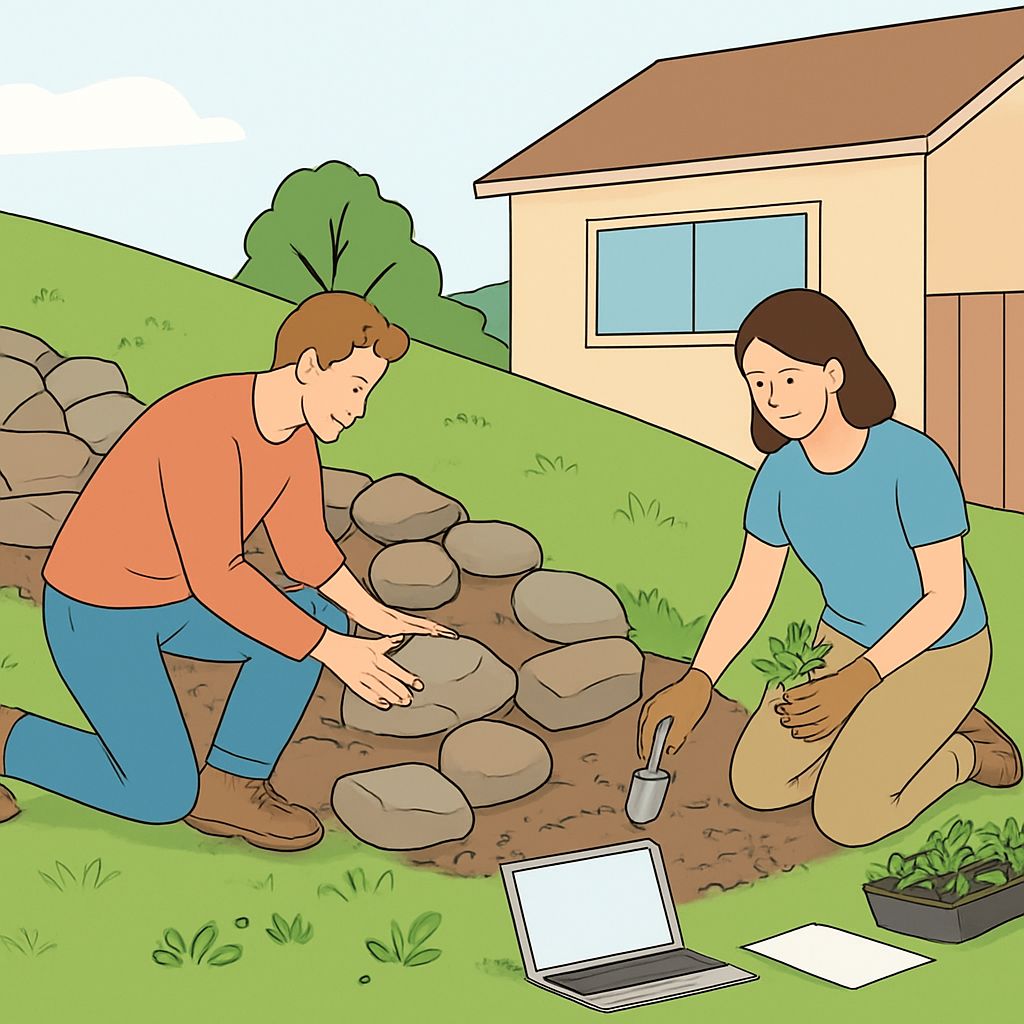
Using Mulch to Protect Soil and Reduce Erosion
Mulch acts as a protective layer on the soil surface.
It reduces the impact of raindrops that can displace soil particles.
By preventing exposed soil, mulch minimizes wind erosion effectively.
Benefits of Mulching for Soil Erosion Control
Moreover, mulch helps retain soil moisture by lowering evaporation rates.
This moisture retention supports healthy plant growth and root development.
Additionally, mulch suppresses weed growth, which can otherwise disrupt soil stability.
Types of Mulch Suitable for Gardens
Organic mulches such as wood chips, bark, and straw provide natural protection.
They enrich the soil with nutrients during decomposition.
Inorganic mulches like gravel and landscape fabric offer long-lasting soil coverage.
Proper Application Techniques
Start by clearing the area of debris and weeds before mulching.
Apply mulch evenly to create a continuous barrier over the soil.
Maintain a mulch depth of about two to four inches for optimal protection.
Showcase Your Farming Business
Publish your professional farming services profile on our blog for a one-time fee of $200 and reach a dedicated audience of farmers and agribusiness owners.
Publish Your ProfileAdditional Tips for Effective Mulching
Combine mulch with other erosion-control methods like contour planting or terracing.
Inspect mulch layers regularly to ensure they remain intact after heavy rains.
Renew mulch promptly in areas showing soil exposure or erosion.
Consider incorporating local guidelines from city horticultural services or extension offices.
Recycling yard waste into mulch supports sustainable gardening practices.
Uncover the Details: Seasonal Companion Planting Guide for Year-Round Harvests
Preparing the Site for Installation
Remove debris and large rocks from the slope.
Trim tall grass or weeds that could obstruct the blanket.
Smooth the soil surface for better adherence.
Clear the Area
Start by removing debris and any large rocks from the slope.
Next, trim tall grass or weeds that could obstruct the blanket.
Ensure the soil surface is smooth and even for better adherence.
Assess the Slope
Check the steepness and length of the area for installation.
This helps determine the type of erosion control blanket needed.
Consult with a local expert if the slope is unusually steep or unstable.
Choosing the Right Erosion Control Blanket
Select between natural fiber blankets and synthetic options.
Natural blankets like coir and jute decompose and enrich the soil.
Synthetic blankets last longer but do not improve soil fertility.
Types of Blankets
Choose between natural fiber blankets and synthetic options for your site.
Natural blankets such as coir and jute will decompose and add organic matter.
Synthetic products provide longer durability but not soil fertility benefits.
Selecting Blanket Size and Weight
Choose a blanket width that matches your slope width to minimize overlaps.
Heavier blankets provide better erosion control on steeper slopes.
Consider local weather patterns when selecting the weight for durability.
Tools and Materials Needed
Gather the necessary tools and materials before starting the installation.
Prepare erosion control blanket rolls and landscape staples or biodegradable stakes.
Also have a shovel, rake, gloves, protective eyewear, measuring tape, and utility knife.
- Erosion control blanket rolls
- Landscape staples or biodegradable stakes
- Shovel and rake for soil preparation
- Gloves and protective eyewear
- Measuring tape and utility knife
Step-by-Step Installation Process
Begin installation from the top of the slope and work downward.
Roll the blanket down carefully to avoid wrinkles and folds.
Overlap multiple rolls by several inches to prevent gaps.
Lay Out the Blanket
Roll the blanket down the slope starting at the top edge.
Align it so it lies flat without wrinkles or folds.
If multiple rolls are needed, overlap edges by several inches to prevent gaps.
Secure the Blanket
Anchor the top edge firmly using landscape staples spaced every few feet.
Continue securing sides and overlaps to prevent wind lift and water undercutting.
Drive staples deep enough to hold the blanket firmly during heavy rains.
Finish the Edges
Dig shallow trenches along the perimeter to bury the blanket edges.
Backfill the trenches with soil and compact it gently to hold the blanket.
This prevents water from flowing underneath and causing erosion.
Maintaining and Monitoring the Installed Blanket
Inspect the installed blanket regularly after heavy rainfall or strong winds.
Showcase Your Farming Business
Publish your professional farming services profile on our blog for a one-time fee of $200 and reach a dedicated audience of farmers and agribusiness owners.
Publish Your ProfileRepair any tears or loose staples promptly to maintain effectiveness.
Replace sections that severely degrade over time, especially natural fiber blankets.
Regular Inspections
Check the blanket after heavy rainfall for any signs of displacement.
Encouraging Vegetation Growth
Plant native grass or ground cover seeds before or immediately after installation.
Vegetation roots help stabilize soil and work together with the blanket.
Water the area regularly until plants are established to prevent erosion.
Creating Rain Gardens to Manage Water Runoff and Erosion
Rain gardens capture and absorb rainwater from roofs and paved areas.
They reduce runoff volume, which helps prevent soil erosion effectively.
Additionally, rain gardens filter pollutants and improve local water quality.
Understanding the Role of Rain Gardens
They also support local wildlife by providing habitat and food sources.
Therefore, rain gardens serve multiple environmental benefits beyond erosion control.
Shape the basin with gently sloped sides for safety and aesthetics.
Choosing the Right Location for Your Rain Garden
Select a site where water naturally drains or accumulates.
Avoid areas near building foundations to prevent water damage risks.
Look for a location at least ten feet away from your house.
Preparing the Soil and Design
Dig a shallow basin approximately six to eight inches deep.
Loosen the soil within the basin to improve water infiltration.
Add organic compost to enhance soil fertility and structure.
Selecting Plants for Effective Erosion Control
Choose native plants with deep roots to stabilize the soil.
Grasses, sedges, and wildflowers work well in rain gardens.
Plant species such as purple coneflower and blue flag iris thrive here.
Maintaining Your Rain Garden
Water new plants regularly until they establish strong roots.
Remove weeds to reduce competition and promote healthy growth.
Mulch the garden bed to retain moisture and prevent soil erosion.
Additional Tips for Maximizing Rain Garden Benefits
Consider installing an overflow area for excess water during heavy rains.
Inspect the garden after storms for any signs of damage or erosion.
Replenish soil and plants as needed to maintain garden function.
- Direct downspouts into the rain garden to capture maximum runoff.
- Avoid compacting soil around the garden to maintain infiltration rates.
- Incorporate stones or gravel for aesthetic appeal and erosion resistance.
- Engage neighbors or community groups to create larger watershed impacts.
- Consult local nurseries like Evergreen Gardens for plant recommendations.