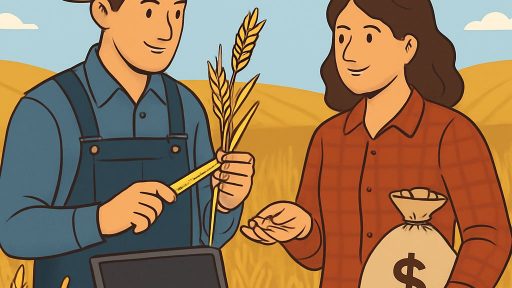




Understanding Local Food Regulations
Local food regulations set standards that affect farming activities.
They differ across regions and shape operational choices.
Complying with these rules can streamline farm procedures.
An Overview for Farmers
Farmers must navigate local food regulations to succeed.
These regulations vary by region and impact operations.
An understanding of these rules can streamline processes.
Importance of Compliance
Compliance with regulations ensures food safety.
This also builds trust with local restaurants and consumers.
Moreover, it prevents legal issues that may arise from violations.
Types of Local Regulations
Local regulations often cover several key areas.
They include food safety, labeling, environmental, and licensing rules.
Farmers need to be aware of each of these aspects.
- Food safety standards.
- Labeling and packaging requirements.
- Environmental regulations.
- Licensing and permits.
Resources for Understanding Regulations
Farmers can access various resources for assistance.
Local agricultural extension offices provide valuable guidance.
Additionally, online databases offer updated regulatory information.
Transform Your Agribusiness
Unlock your farm's potential with expert advice tailored to your needs. Get actionable steps that drive real results.
Get StartedNetworking with other farmers can also yield useful insights.
Steps to Ensure Compliance
Establish a system to track regulatory changes regularly.
Train staff on food safety and handling procedures.
Conduct routine inspections to ensure compliance.
Finally, maintain all necessary documentation and records.
Federal vs. Local Regulations: Key Differences and Impacts on Farm Operations
Regulations shape how farms operate nationwide and locally.
Furthermore, these rules influence practices, costs, and market access.
Therefore, farmers must navigate multiple regulatory layers to remain compliant.
Understanding Regulatory Frameworks
Regulations impact farm operations at both federal and local levels.
For example, federal rules typically set nationwide standards.
However, local rules can vary significantly across regions.
As a result, farmers must manage multiple rule sets.
Federal Regulations Overview
Federal regulations include guidelines from agencies like the USDA and FDA.
These rules focus on food safety, environmental protection, and labor practices.
Moreover, compliance is crucial for interstate commerce.
Therefore, farmers should review federal rules regularly to remain compliant.
Local Regulations Overview
Local regulations are shaped by state and county laws.
Often, these rules address zoning, land use, and health codes.
Compliance with local regulations is equally important for farmers.
Sometimes, local requirements are more stringent than federal standards.
Key Differences Between Federal and Local Regulations
One major difference is the scope of enforcement.
Federal agencies enforce regulations across all states.
In contrast, local agencies concentrate enforcement in specific communities.
Additionally, federal rules cover broader subjects while local rules target community concerns.
Showcase Your Farming Business
Publish your professional farming services profile on our blog for a one-time fee of $200 and reach a dedicated audience of farmers and agribusiness owners.
Publish Your ProfileImpacts on Farm Operations
Understanding both federal and local regulations is essential for farmers.
Farmers must ensure compliance to avoid penalties and closures.
Furthermore, compliance costs can vary significantly by jurisdiction.
Sometimes, local regulations require additional permits.
Also, farmers can gain advantages by learning local markets and rules.
Strategies for Compliance and Risk Reduction
To navigate regulations effectively, farmers should maintain good records.
They should consult legal experts regularly.
Joining local agricultural organizations provides practical insights.
Finally, staying informed about regulatory changes reduces compliance risks.
Licensing and Permits: Essential Steps for Farm-to-Restaurant Delivery
This section explains licensing and permit steps for farm-to-restaurant delivery.
These steps cover licenses, permits, safety checks, transportation, and labeling requirements.
Follow the guidance to ensure compliant product movement between farms and restaurants.
Understanding Local Regulations
Local regulations vary significantly from one area to another.
Therefore, research rules that affect food safety and transportation in your area.
Consult local agencies and ensure you meet their inspection requirements.
Obtaining Necessary Licenses
Farmers must secure appropriate agricultural licenses before selling to restaurants.
Restaurants need valid food service permits to receive and serve farm products.
Also evaluate whether processing or transportation licenses apply to your operations.
Permitting for Food Safety
Food safety permits confirm that products meet consumption safety standards.
Health departments commonly perform inspections before issuing these permits.
Farms must show proper handling and storage techniques during inspections.
Transportation Regulations
Transport rules require maintaining age, temperature control, and sanitation standards.
Drivers may need special licenses depending on the vehicle type used.
Ensure all transport steps preserve food safety during movement.
Compliance with Labeling Requirements
Labeling laws ensure consumers receive accurate product information.
Farmers should provide origin and handling instruction details on labels.
Restaurants must clearly mark menu items, especially allergen information.
Staying Updated on Regulatory Changes
Regulations can change frequently at local and national levels.
Follow agricultural and health agencies to receive official updates and guidance.
Engage with local farming and restaurant associations for practical support.
Uncover the Details: Food Waste Reduction Tools for Precision Agriculture Farmers
Health and Safety Standards: Compliance in the Farm-to-Table Supply Chain
Several regulations govern the safety of food products.
Food safety guidelines often vary based on local laws.
Robust documentation is key for compliance verification.
Importance of Health and Safety Compliance
Ensuring health and safety compliance is paramount for farm-to-table operations.
It protects consumers and enhances the reputation of restaurants.
Moreover, compliance can prevent costly legal issues down the line.
Key Regulations to Consider
- The Food Safety Modernization Act (FSMA) is crucial.
- Local health department codes must be strictly followed.
- Laboratory testing for contaminants may be required.
Collaboration Between Farms and Restaurants
Farms and restaurants must collaborate closely to ensure compliance.
Open communication can clarify expectations and responsibilities.
Regular audits can help maintain safety standards consistently.
Showcase Your Farming Business
Publish your professional farming services profile on our blog for a one-time fee of $200 and reach a dedicated audience of farmers and agribusiness owners.
Publish Your ProfileTraining and Education
Training staff is essential for maintaining health and safety standards.
Workers must understand proper food handling procedures.
Additionally, ongoing education keeps everyone updated on new regulations.
Documentation and Record-Keeping
Both farms and restaurants should maintain accurate records.
- Track product sources and handling procedures.
- Document employee training sessions.
- Keep logs of health inspections and audits.
Continuous Improvement
Health and safety standards should evolve as practices improve.
Regularly reviewing policies can lead to better outcomes.
Moreover, seeking feedback from staff can uncover areas for enhancement.
Gain More Insights: Community Partnerships Driving On-Farm Food Waste Solutions In The USA
Building Relationships with Local Restaurants
Every region has unique agricultural regulations.
These rules directly affect farm-to-restaurant partnerships.
Start by researching your local laws and ordinances.
Creating Partnerships
Building strong relationships is central to success.
Engage with local restaurant owners in your area.
Attend community events and farmer’s markets regularly.
Share your products and story with potential partners.
Legal Considerations
Understand the legal framework governing partnerships.
Formulate contracts that clearly define roles and responsibilities.
Include details about product quality and delivery schedules.
Consult a legal expert specializing in agricultural law.
This ensures all aspects of the partnership are compliant.
Quality Assurance and Standards
Establish consistent quality standards for your products.
Communicate these standards to your restaurant partners.
Regularly assess your goods to maintain quality.
Consider certifications to enhance credibility.
For example, organic certifications can build trust.
Promoting Your Partnership
Once your partnership is established, promote it.
Utilize social media to showcase local collaborations.
Feature restaurants serving your products on your platforms.
Organize joint events to attract customers.
Communicate the fresh, local angle to your audiences.
Learn More: Growing Heritage Wheat and Its Benefits for Small-Scale Farmers

Sustainable Practices and Their Regulatory Framework
Several key regulations shape sustainable practices in agriculture.
Adhering to local regulations offers various benefits for farmers.
Technology plays a vital role in ensuring compliance with regulatory frameworks.
Key Regulations Affecting Farmers
- Land use regulations mandate how farmers can utilize their land.
- Water quality regulations dictate proper irrigation and runoff management.
- Organic certification standards outline specific guidelines for organic farming.
Therefore, farmers should familiarize themselves with these regulations to avoid potential fines.
Benefits of Complying with Regulations
For instance, it can enhance marketability by meeting consumer demand for sustainable products.
Additionally, compliance can open doors to grants and subsidies aimed at sustainable practices.
Furthermore, it helps build trust within the local community.
The Role of Technology in Compliance
For example, precision agriculture tools help monitor crop inputs and reduce waste.
Moreover, software solutions can manage documentation required for regulatory compliance.
Showcase Your Farming Business
Publish your professional farming services profile on our blog for a one-time fee of $200 and reach a dedicated audience of farmers and agribusiness owners.
Publish Your ProfileThese tools not only enhance efficiency but also simplify adherence to regulations.
Connecting with Local Resources
Finally, farmers should connect with local resources for support.
Local agricultural organizations and co-ops provide valuable information on regulations.
Additionally, networking with fellow farmers can foster a collaborative approach to compliance.
Thus, building these connections is crucial for navigating local regulatory landscapes.
Learn More: Why Farm-To-Restaurant Programs Drive Economic Growth In Rural America
Record Keeping and Documentation: Best Practices for Legal Compliance
Accurate record keeping is essential for compliance with local regulations.
It helps farmers and restaurants track their transactions effectively.
Additionally, it provides transparency in sourcing and sales.
Types of Records to Maintain
Farmers should maintain various types of records.
It is beneficial to keep production records for crops and livestock.
Sales records to restaurants must also be accurate and detailed.
Production, Sales, and Pest Documentation
Production records consist of planting dates, harvest data, and yields.
Organizing this data helps in improving future operations.
Sales records must include invoices and delivery notes.
Documentation of pricing and payment methods is also important.
This documentation ensures compliance with safety regulations.
It should include application dates and product details.
Tools for Effective Record Keeping
Utilizing digital tools can streamline the record-keeping process.
Spreadsheets and accounting software are valuable resources.
Moreover, cloud-based solutions allow easy access and backup.
Regular Audits and Updates
Regular audits of your records can identify discrepancies.
Consistently update records to reflect the current status of operations.
Moreover, audits help in preparing for potential inspections.
Training and Awareness
Training staff on record-keeping processes enhances compliance.
Regular workshops can ensure everyone understands their responsibilities.
Moreover, keeping staff informed about changes in regulations is vital.
Resources for Farmers: Local Agencies and Organizations Supporting Farm Operations
Local agencies play a crucial role in supporting farmers.
These organizations provide vital information and resources.
Farmers can benefit greatly from this support.
Key Local Agencies
The Department of Agriculture offers assistance and guidance.
Extension services provide educational resources to farmers.
Local health departments ensure compliance with food safety regulations.
- The Department of Agriculture offers assistance and guidance.
- Extension services provide educational resources to farmers.
- Local health departments ensure compliance with food safety regulations.
Organizations Offering Assistance
Non-profits also support farm operations through various programs.
For example, local food banks often partner with farms.
This collaboration helps reduce food waste and supports the community.
Federal Programs Supporting Local Farms
The USDA provides financial assistance for sustainable practices.
Grants are available to help with infrastructure improvements.
Programs exist to promote local food distribution networks.
- The USDA provides financial assistance for sustainable practices.
- Grants are available to help with infrastructure improvements.
- Programs exist to promote local food distribution networks.
Educational Resources and Workshops
Many local agencies host workshops throughout the year.
Showcase Your Farming Business
Publish your professional farming services profile on our blog for a one-time fee of $200 and reach a dedicated audience of farmers and agribusiness owners.
Publish Your ProfileThese workshops cover a range of topics, including regulations.
Farmers can learn about marketing, production, and compliance.
Networking Opportunities
Engaging with local organizations allows for valuable networking.
Farmers can connect with peers and industry experts.
These connections can lead to new collaborations and partnerships.