



Introduction to Integrated Pest Management Principles in Home Gardening
Integrated Pest Management, or IPM, combines various strategies to manage pests effectively.
It emphasizes a holistic approach towards pest control in home gardens.
IPM focuses on long-term solutions that are environmentally sustainable.
Gardeners use IPM to reduce reliance on chemical pesticides.
This approach promotes healthier plants and a safer ecosystem.
Understanding IPM Components
IPM consists of multiple components that work together harmoniously.
First, monitoring and identifying pests is crucial.
Next, setting action thresholds helps to determine when control measures are necessary.
Additionally, managing environmental factors can prevent pest outbreaks.
Finally, implementing control strategies minimizes pest populations.
Monitoring and Identifying Pests
Regular observation of your garden allows early detection of pests.
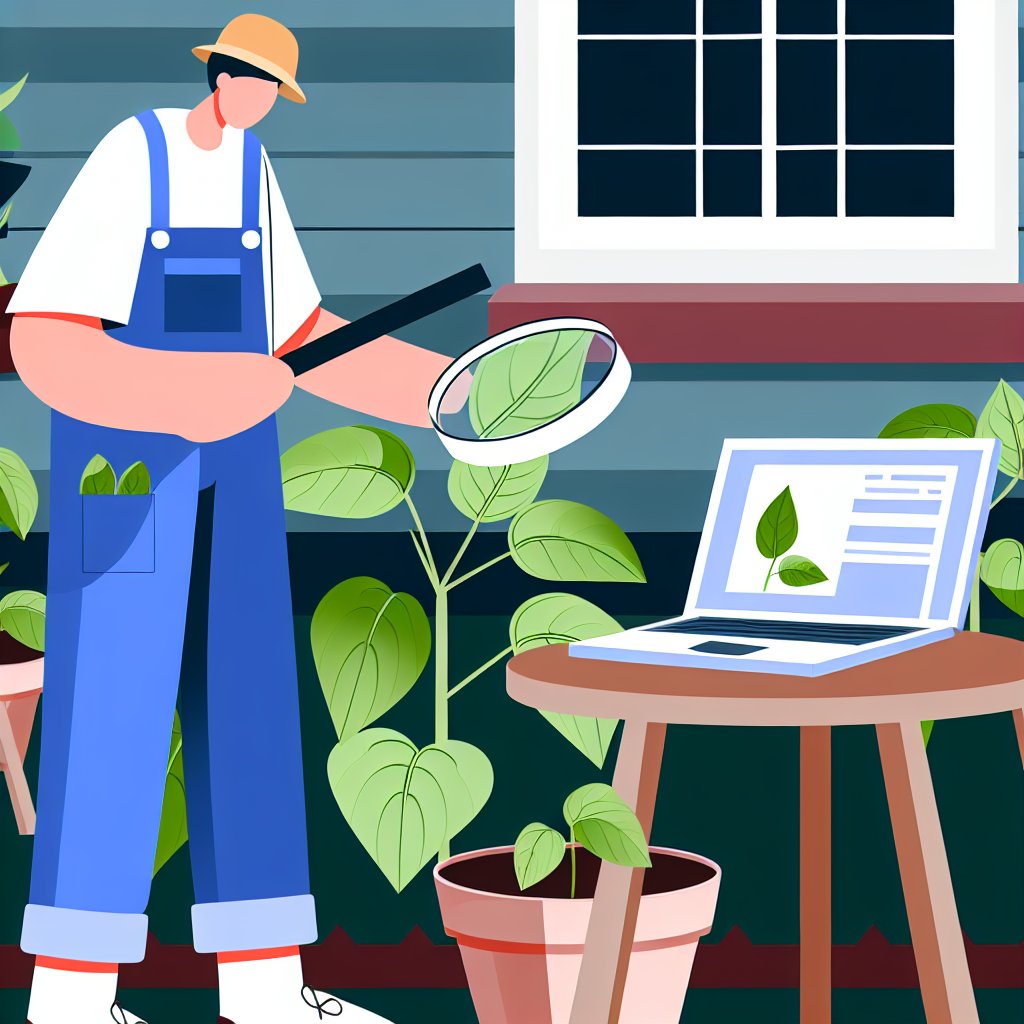
Use techniques such as inspecting plants closely for signs of damage.
Photographs can assist with proper pest identification.
Consulting local gardening experts or resources enriches your knowledge.
Furthermore, documenting pest appearances assists in tracking trends.
Transform Your Agribusiness
Unlock your farm's potential with expert advice tailored to your needs. Get actionable steps that drive real results.
Get StartedSetting Action Thresholds
Establishing action thresholds helps determine appropriate intervention levels.
These thresholds indicate when pest populations pose a significant threat.
For instance, a few aphids may not necessitate action, but a large infestation might.
Define specific conditions that trigger control methods in your garden.
This ensures timely and effective responses to pest issues.
Managing Environmental Factors
Healthy plants can resist pests better than stressed ones.
Therefore, maintaining optimal growing conditions is essential.
Focus on proper watering, nutrient provision, and sunlight exposure.
Moreover, rotating crops helps break pest life cycles.
Encouraging beneficial insects can naturally mitigate pest populations.
Implementing Control Strategies
- Control strategies can be divided into cultural, biological, and mechanical methods.
- Cultural methods involve practices that enhance plant health and deter pests.
- Biological control introduces natural predators to manage pest populations.
- Mechanical methods include traps, barriers, and hand-picking pests.
- Integrating these strategies leads to more effective pest management in gardens.
Understanding Common Pests and Diseases Affecting Home Gardens
Identifying Common Garden Pests
Home gardeners often face various pests that threaten their plants.
Common pests include aphids.
Caterpillars are also common garden pests.
Slugs frequently damage plants.
Aphids feed on the sap of plants.
This feeding weakens plants over time.
Caterpillars can quickly defoliate plants.
This defoliation damages their growth potential.
Slugs and snails chew on leaves.
They often leave behind a slimy trail.
Effective pest identification is crucial for successful management.
Understanding Plant Diseases
Diseases can also significantly impact garden health.
Fungal infections are common among many plants.
Powdery mildew is a typical fungal infection.
Showcase Your Farming Business
Publish your professional farming services profile on our blog for a one-time fee of $200 and reach a dedicated audience of farmers and agribusiness owners.
Publish Your ProfileBacterial wilt can cause rapid plant decline and death.
Root rot is another serious condition affecting roots.
Recognizing symptoms early can save your plants from severe damage.
Pest Control Strategies
Integrated pest management (IPM) combines various strategies effectively.
Cultural practices such as crop rotation reduce pest populations.
Biological control uses natural predators to manage pests.
Chemical controls should be a last resort for pest management.
Always choose the least harmful option to protect beneficial insects.
Preventive Measures for Disease Management
Preventive measures minimize the risk of diseases in home gardens.
Healthy soil promotes robust plants that resist pests and diseases.
Regularly removing diseased plants prevents further spread.
Proper spacing between plants improves air circulation.
Watering early in the day reduces moisture on leaves.
This practice helps prevent rot.
Utilizing Cultural Practices for Pest Prevention in Garden Maintenance
Understanding Cultural Practices
Cultural practices are essential in maintaining healthy gardens.
These practices play a crucial role in pest management.
By altering the environment, you can deter pests naturally.
Cultural methods include crop rotation and soil health management.
Implementing Crop Rotation
Crop rotation disrupts pest life cycles effectively.
This method helps prevent pests from establishing in the soil.
Change your crops each season to avoid recurrence of pests.
For example, follow legumes with leafy greens.
Enhancing Soil Health
Healthy soil promotes vigorous plant growth.
This reduces the plants’ susceptibility to pest infestations.
Add organic matter to your soil regularly.
Compost improves soil structure and nutrient levels.
Consider using cover crops to enhance soil fertility.
Optimal Plant Selection
Selecting pest-resistant plant varieties can reduce pest issues.
Native plants often attract beneficial insects.
Research local pest-resistant varieties suited for your area.
This choice complements the ecosystem in your garden.
Water Management Techniques
Proper watering practices can minimize pest attraction.
Avoid overwatering, which leads to fungal growth.
Water in the early morning to reduce evaporation.
Ensure good drainage to prevent standing water.
Mulching for Pest Control
Apply organic mulch to suppress weeds and regulate soil temperature.
This layer also prevents soil erosion and enhances moisture retention.
As the mulch decomposes, it enriches the soil further.
Encourage beneficial organisms to thrive with proper mulch.
Monitoring and Observing Plants
Regular monitoring helps detect pests early.
Showcase Your Farming Business
Publish your professional farming services profile on our blog for a one-time fee of $200 and reach a dedicated audience of farmers and agribusiness owners.
Publish Your ProfileCheck both the upper and lower sides of leaves.
Look for signs of pest damage or disease symptoms.
Documenting observations is essential for effective management.
Delve into the Subject: Conservation Tillage Challenges and Solutions for Farmers
Identifying Beneficial Insects and Their Roles in Pest Control
Importance of Beneficial Insects
Beneficial insects play a crucial role in pest management.
They help maintain the balance of ecosystems in home gardens.
These insects contribute to natural pest control by preying on harmful species.
Identifying them enhances your gardening efficiency.
Common Beneficial Insects
Various beneficial insects can thrive in your garden.
- Ladybugs are known for consuming aphids.
- Green lacewings prey on a variety of pests, including spider mites.
- Parasitic wasps lay eggs in caterpillars or aphids, controlling their populations.
- Predatory beetles are excellent hunters of garden pests.
- Ground beetles help reduce the number of slugs and caterpillars.
Promoting Beneficial Insect Populations
Cultivating a garden that attracts beneficial insects is essential.
Planting native flowering plants provides nectar and pollen.
Creating diverse habitats encourages a variety of beneficial insects.
Avoiding broad-spectrum pesticides protects these helpful species.
Providing water sources can support insect populations as well.
Observation and Identification Techniques
Learning to recognize beneficial insects is beneficial for gardeners.
Use field guides or apps to help identify different species.
Keep a journal to track which beneficials visit your garden.
Regular observation enhances your understanding of pest control dynamics.
Over time, you will become more familiar with these guests.
Uncover the Details: Crop Rotation Benefits for Sustainable Land Investment
Implementing Biological Control Methods
Understanding Biological Control
Biological control is the use of living organisms to manage pests.
These organisms include parasites, predators, and pathogens.
They can help reduce pest populations naturally.
Utilizing them minimizes the reliance on chemical pesticides.
Types of Biological Control Agents
Parasites can disrupt the life cycle of harmful pests.
For example, parasitic wasps lay eggs inside caterpillars.
These wasps eventually kill the caterpillars, reducing their numbers.
Predators, such as ladybugs and lacewings, consume pests directly.
They feed on aphids and other soft-bodied insects.
Introducing them in your garden encourages a natural balance.
Pathogens like fungi and bacteria can target specific pests.
For instance, the bacterium Bacillus thuringiensis is effective against caterpillars.
This pathogen kills pests while causing minimal harm to beneficial insects.
Choosing the Right Biological Control Agents
Selecting the correct agents is crucial for success.
First, identify the specific pests in your garden.
Next, research which biological control agents target these pests.
Consider the environmental conditions of your garden.
Some agents thrive in specific climates and soil types.
Matching these requirements ensures better outcomes.
Steps for Implementing Biological Control
Release these agents in areas with high pest populations.
Showcase Your Farming Business
Publish your professional farming services profile on our blog for a one-time fee of $200 and reach a dedicated audience of farmers and agribusiness owners.
Publish Your ProfileTiming is important; ensure that agents are introduced before pest populations explode.
Monitor the situation regularly.
Observe any changes in pest numbers and the presence of control agents.
Adjust your strategy if necessary to enhance effectiveness.
Incorporate a variety of agents to cover different pests.
Diversity in biological controls often leads to more stable pest management.
You Might Also Like: Sustainable Agriculture Strategies for Long-Term Land Profitability
Effective Use of Physical Barriers and Traps for Pest Management
Importance of Physical Barriers
Physical barriers play a crucial role in pest management.
They prevent pests from accessing your plants and crops.
Common barriers include row covers, nets, and fences.
Using these barriers helps protect your garden without chemicals.
Furthermore, they can be effective against various pests and animals.
Types of Physical Barriers
Several types of physical barriers exist to deter pests.
Row covers can shield seedlings from insects and extreme weather.
Nets are effective for preventing birds and larger pests from reaching fruit.
Fencing can deter rabbits, deer, and other herbivores.
Additionally, landscape fabric inhibits weeds while allowing water through.
Setting Up Physical Barriers
Proper setup ensures barriers work as intended.
Secure row covers to the ground to prevent lifting by the wind.
Ensure nets are tight without gaps that pests could exploit.
Install fencing at least a foot underground to deter burrowing animals.
Regularly inspect barriers for damage and repairs as needed.
Effective Use of Traps
Traps serve as another important tool in pest management.
They capture pests safely, reducing their numbers in your garden.
Many types of traps are available, including adhesive traps and baited traps.
Using traps can minimize pest populations without harmful pesticides.
Types of Traps
Various traps cater to specific pest issues.
Sticky traps work well for flying insects like aphids and whiteflies.
Baited traps attract and capture larger pests like snails and slugs.
Insect traps often use pheromones to lure target pests effectively.
Placing and Maintaining Traps
Placement is critical for trap effectiveness.
Position traps near pest hotspots, like damaged plants.
Regularly check and replace traps to maintain efficiency.
Dispose of trapped pests properly to avoid attracting scavengers.
Keeping records of captured pests can help identify trends.
Explore Further: Nutrient Management for Maximizing Crop Yields in the USA
Safe and Responsible Use of Chemical Controls
Types of Chemical Controls
Chemical controls play a critical role in integrated pest management.
These controls include pesticides, herbicides, and fungicides.
Each type targets specific pests or diseases.
Natural chemicals can provide alternatives to synthetic options.
Showcase Your Farming Business
Publish your professional farming services profile on our blog for a one-time fee of $200 and reach a dedicated audience of farmers and agribusiness owners.
Publish Your ProfileAlways choose products approved for residential use.
Application Methods
Proper application is essential for effectiveness and safety.
First, read the label thoroughly before use.
This ensures you understand the instructions and precautions.
Wear appropriate protective gear during application.
For example, gloves and masks can reduce exposure risks.
Timing and Frequency
Timing greatly influences the success of chemical applications.
Apply chemicals during calm weather to prevent drift.
Target pests when they are most vulnerable, such as during early stages.
Follow the recommended frequency of application to avoid harm.
Overuse can lead to resistance among pest populations.
Monitoring and Evaluation
After application, monitor the garden for changes.
Check for pest populations and plant health regularly.
This helps determine the effectiveness of your chemical controls.
Make adjustments as necessary for future applications.
An evaluation can lead to better decision-making over time.
Environmental Considerations
Understand the environmental impact of chemical controls.
Protect beneficial insects such as bees and ladybugs during application.
Minimize runoff into water sources to safeguard aquatic life.
Consider using barriers or targeted applications to decrease risks.
This ensures a more sustainable approach to pest management.
Monitoring and Assessing Pest Populations
Importance of Monitoring
Monitoring pest populations is crucial for effective integrated pest management.
This practice helps you make informed decisions about pest control.
Furthermore, it allows you to understand which pests are present in your garden.
Setting Up Monitoring Systems
Establish a regular schedule to inspect your garden for pests.
Use traps, sticky cards, or visual inspections to identify pest presence.
Additionally, note the types of pests and their population levels.
Identifying Key Pests
Focus on the most damaging pests that threaten your plants.
Common pests include aphids, caterpillars, and spider mites.
Understanding their life cycles aids in implementing timely interventions.
Recording and Analyzing Data
Keep detailed records of your observations and findings.
This practice enables you to analyze trends over time.
With this data, you can determine the effectiveness of your pest management strategies.
Using Thresholds for Action
Establish action thresholds to decide when to intervene.
Thresholds indicate the pest population level where damage occurs.
Only act when pest numbers exceed these thresholds for efficiency.
Adjusting IPM Strategies
Regular monitoring allows you to adjust your IPM strategies accordingly.
For instance, if pest levels rise, consider introducing beneficial insects.
Alternatively, modify cultural practices to reduce pest habitats.
Collaborating with Local Experts
Engage with local agricultural extension services for guidance.
Showcase Your Farming Business
Publish your professional farming services profile on our blog for a one-time fee of $200 and reach a dedicated audience of farmers and agribusiness owners.
Publish Your ProfileLocal experts can help identify specific pests in your area.
They may also offer tailored recommendations for your garden.
Developing a Sustainable IPM Plan for Year-Round Pest Management
Understanding Integrated Pest Management
Integrated Pest Management (IPM) combines various control methods for effective pest management.
This strategy emphasizes prevention and includes cultural, biological, and chemical methods.
Additionally, IPM minimizes risks to people and the environment.
Assessment of Pest Problems
Regularly inspect your garden to identify pest problems early.
Monitor pest populations using traps or visual inspections.
Record findings to help with future management decisions.
Understanding the life cycle of pests aids in timing interventions effectively.
Prevention Techniques
Start with healthy plants by choosing disease-resistant varieties.
Rotate crops annually to disrupt pest life cycles.
Incorporate companion planting to repel unwanted pests.
Maintain proper sanitation in your garden to reduce pest habitat.
Biological Control Methods
Encourage beneficial insects like ladybugs and lacewings.
Introduce natural predators to keep pest populations in check.
Plant nectar and pollen-producing plants to support these helpful species.
Cultural Control Strategies
Adjust watering and fertilization practices to promote plant health.
Remove debris and dead plant material that can harbor pests.
Implement physical barriers, such as row covers, to protect plants.
Chemical Control Measures
Use pesticides as a last resort, focusing on least harmful options.
Always follow label instructions for safe application.
Apply treatments at times when beneficial insects are less active.
Evaluating and Adjusting the IPM Plan
Regularly review the effectiveness of your pest management strategies.
Adjust practices based on observation and pest population changes.
Document and learn from successes and failures throughout the season.
Education and Community Resources
Join local gardening clubs or extension programs to share knowledge.
Utilize online resources, such as university publications, for current research.
Attend workshops for hands-on training in IPM strategies.
Additional Resources
What Is Integrated Pest Management (IPM)? / UC Statewide IPM …