




Introduction to Greenhouse Farming
Greenhouse farming grows plants within a controlled environment.
Growers use enclosed structures to manage temperature and humidity.
This approach protects crops from harsh weather and pests.
What Is Greenhouse Farming?
Structures often consist of glass or plastic panels.
They trap heat and allow precise humidity control.
Consequently, plants experience steadier growth conditions than outdoors.
Benefits for Residential Property Owners
Residential greenhouse farming offers multiple advantages to homeowners.
For example, it enables year-round cultivation regardless of outdoor climate.
Additionally, growers can maximize limited space with vertical and dense planting.
Moreover, homeowners expand the variety of crops they can grow.
Finally, this method often produces higher yields than traditional gardening.
Environmental Advantages
Residential greenhouses reduce the need for chemical pesticides and fertilizers.
They also conserve water by using efficient irrigation techniques.
Furthermore, growing food at home decreases the carbon footprint from transportation.
Financial and Lifestyle Benefits
Greenhouse farming can lower household grocery bills.
Transform Your Agribusiness
Unlock your farm's potential with expert advice tailored to your needs. Get actionable steps that drive real results.
Get StartedMoreover, it provides easier access to organic produce for healthier diets.
In addition, many people find greenhouse work therapeutic and beneficial for mental well-being.
Getting Started with Residential Greenhouse Farming
Begin by assessing available space and sunlight exposure in your yard.
Next, choose a greenhouse type that matches your needs and budget.
Finally, select crops suited to greenhouse conditions and personal taste preferences.
Types of Greenhouses Suitable for Residential Use
This guide covers common greenhouse types for home gardeners.
It explains features, placement, and material tradeoffs.
Each section lists benefits and typical uses.
Lean-To Greenhouses
Lean-to greenhouses attach directly to an existing wall of your home.
This design saves space and makes heating more efficient.
It provides easy access from your house to the greenhouse.
Sarah Meadows from GreenScape Solutions highlights that lean-to structures can extend your growing season effectively.
They are ideal for gardeners with limited yard space.
Freestanding Greenhouses
Freestanding greenhouses stand independently and offer maximum flexibility in placement.
They allow you to control the environment fully without relying on your house’s structure.
In addition, these greenhouses come in various sizes and materials to suit different budgets.
Mark Davison, owner of Urban Roots Gardening, recommends freestanding types for serious hobbyists.
If you have ample yard space, this option provides more room to cultivate diverse plants.
Cold Frames
Cold frames are small, box-like structures with a transparent top covering.
They trap heat and protect plants from frost in colder months.
Furthermore, cold frames are an excellent introduction to greenhouse gardening.
Julie Nguyen, a resident gardener in Denver, uses cold frames for starting seedlings early.
This type requires minimal investment and is easy to build or buy pre-made.
Hoop Houses
Hoop houses use curved metal or PVC frames covered with plastic sheeting.
Showcase Your Farming Business
Publish your professional farming services profile on our blog for a one-time fee of $200 and reach a dedicated audience of farmers and agribusiness owners.
Publish Your ProfileThey are cost-effective and quick to assemble for seasonal use.
Hoop houses extend the growing season by shielding plants from wind and temperature extremes.
Additionally, they can be taken down or moved when not in use.
Thomas Keller of Evergreen Gardens favors hoop houses for their versatility in suburban settings.
Materials and Their Benefits
The choice of materials significantly impacts greenhouse performance.
Glass provides excellent light transmission and durability but can be costly.
Polycarbonate panels offer good insulation and are shatter-resistant.
Polyethylene film is affordable and lightweight but may require more frequent replacement.
Choosing materials depends on your climate, budget, and maintenance willingness.
Assessing Space and Environmental Factors for Greenhouse Placement
Start by identifying an open area suitable for a greenhouse.
Look for a location free from large obstructions like trees or buildings.
Consider areas where sunlight exposure is consistent throughout the day.
Evaluating Available Space on Your Property
Also, check the ground for levelness to ensure stable greenhouse installation.
Keep in mind that sufficient space allows for future expansion or additional structures.
Moreover, verify that the selected spot complies with local zoning and setback regulations.
Analyzing Sunlight Exposure and Orientation
Sunlight is crucial for healthy plant growth within a greenhouse.
Choose a spot that receives at least six hours of direct sunlight daily.
Typically, orienting the greenhouse east to west maximizes light exposure.
Remember that seasonal changes affect sunlight angles and intensity.
Therefore, consider shading elements that could reduce light during summer months.
Considering Wind and Weather Conditions
Strong winds can damage greenhouse structures and reduce temperature control.
Assess your property’s typical wind patterns before placing the greenhouse.
Using natural windbreaks like hedges or fences can protect the structure.
Alternatively, install wind barriers or reinforced greenhouse frames if needed.
Furthermore, evaluate local weather conditions such as snowfall or heavy rain.
Choose materials and designs that can withstand your area’s climate challenges.
Examining Soil Drainage and Ground Conditions
Good drainage prevents water accumulation around the greenhouse foundation.
Test the soil for drainage capabilities by observing water runoff after rain.
If drainage is poor, consider raised beds or gravel bases under the greenhouse.
Additionally, evaluate soil composition if you plan to grow directly in the ground.
Amend soil with organic materials to improve fertility and structure as necessary.
Access to Utilities and Infrastructure
Reliable access to water is essential for effective greenhouse irrigation.
Ensure the site is near a water source or plan for water delivery systems.
Electricity access enables lighting, heating, and ventilation controls.
Coordinate with local utility providers for any necessary installations or upgrades.
Safe and convenient access paths improve maintenance and daily operations.
Minimizing Environmental Impact
Position the greenhouse to avoid disturbing natural habitats or protected areas.
Use eco-friendly materials that reduce carbon footprint during construction.
Incorporate rainwater harvesting or solar panels to enhance sustainability.
Consult with environmental experts if your property is in a sensitive ecological zone.
Showcase Your Farming Business
Publish your professional farming services profile on our blog for a one-time fee of $200 and reach a dedicated audience of farmers and agribusiness owners.
Publish Your ProfileResponsible planning ensures a balance between productivity and conservation.
You Might Also Like: Crop Disease Management for High-Yield Farmland Properties
Essential Equipment and Supplies for Small-Scale Greenhouse Farming
This guide lists essential equipment and supplies for small-scale greenhouse farming.
The sections cover structure, climate control, lighting, growing mediums, irrigation, tools, and safety.
Refer to each section for specific gear and maintenance items.
Greenhouse Structure and Coverings
Selecting a sturdy greenhouse frame forms the foundation of your setup.
Aluminum and galvanized steel are popular for their durability and resistance to rust.
Wood frames offer a natural look but require more maintenance.
Polyethylene film provides an affordable and flexible covering option for many growers.
Polycarbonate panels provide better insulation and longevity.
Glass remains a classic choice, but it is generally more expensive and fragile.
Climate Control Systems
Maintaining optimal temperature is critical for plant growth inside greenhouses.
Heaters help extend growing seasons during cooler months.
Ventilation fans regulate airflow and prevent overheating on warm days.
Shade cloths reduce excessive sunlight and protect delicate plants.
Humidity controllers and misters keep moisture levels consistent for sensitive crops.
Thermostats and automated environmental controllers simplify managing internal conditions.
Light Management and Supplemental Lighting
Natural sunlight powers photosynthesis but may not suffice year-round.
Therefore, LED grow lights supplement light during cloudy days or winter.
These lights conserve energy while delivering the needed light spectrum.
Timers automate lighting schedules to mimic natural daylight cycles effectively.
Growing Mediums and Containers
Soil quality directly affects plant health and yields.
Many growers prefer raised beds or containers to control soil conditions.
Common container options include pots, trays, and grow bags made from durable materials.
Additionally, soilless mediums like coco coir, peat moss, and perlite enable precise nutrient control.
Irrigation Systems and Water Management
Efficient water delivery ensures plants receive adequate moisture without waste.
Drip irrigation systems target roots and reduce evaporation.
Soaker hoses provide a simple way to water larger planting areas evenly.
Hand watering with quality nozzles allows precision in smaller greenhouses.
Rainwater harvesting systems help conserve water and lower utility costs.
Tools and Accessories for Daily Operations
Basic gardening tools such as pruners, trowels, and gloves are indispensable.
Plant markers keep track of varieties and planting dates.
Fertilizer spreaders and measuring tools assist in proper nutrient application.
Pest control supplies like insect nets and organic sprays safeguard your crops.
Durable shelving units optimize space and improve organization within the greenhouse.
Safety and Maintenance Supplies
Fire extinguishers and first aid kits promote safety in your growing space.
Routine cleaning supplies preserve plant health by preventing disease.
Replacement parts for fans, heaters, and irrigation components minimize downtime.
Investing in protective gear such as masks shields you when handling chemicals or soil.
Gain More Insights: Precision Agriculture for Water Conservation in Farming
Showcase Your Farming Business
Publish your professional farming services profile on our blog for a one-time fee of $200 and reach a dedicated audience of farmers and agribusiness owners.
Publish Your ProfileChoosing the Right Crops for Your Greenhouse
Temperature, humidity, and sunlight affect greenhouse crop success.
Different crops thrive under specific growing conditions.
Identify whether you want produce for daily use or specialty crops.
Assessing Your Growing Conditions
First, evaluate the climate of your residential area.
Likewise, the size of your greenhouse will influence crop choices.
For example, compact spaces work well with herbs and leafy greens.
Also, consider ventilation and heating systems you have installed.
Considering Crop Growth Requirements
Leafy greens like lettuce and spinach prefer cooler temperatures.
Conversely, tomatoes and peppers require warmer environments.
Additionally, some plants need high humidity, such as basil.
Therefore, choose crops that match your greenhouse’s conditions.
Evaluating Your Gardening Goals
If you want fresh salads, focus on fast-growing vegetables.
Alternatively, opt for herbs if you enjoy cooking frequently.
Some homeowners prefer ornamental plants to beautify their space.
Hence, align your crop selection with your personal needs.
Easy-to-Grow Crops for Beginners
Start with crops that have a high success rate for novices.
- Lettuce – grows quickly and tolerates various conditions.
- Spinach – thrives in cooler greenhouse temperatures.
- Herbs like basil and parsley – require minimal maintenance.
- Tomatoes – benefit from controlled temperature and light.
- Strawberries – perform well in small greenhouse setups.
Moreover, these crops provide quick rewards to encourage new growers.
Managing Crop Rotation and Succession Planting
To maximize your greenhouse yields, plan your planting schedule carefully.
Crop rotation helps prevent soil nutrient depletion and disease buildup.
Succession planting ensures continuous harvests throughout the season.
For instance, plant fast growers like radishes between slower crops.
This approach keeps your greenhouse productive and healthy.
Consulting with Local Experts and Resources
Reach out to local agricultural extension services for crop advice.
Garden centers like GreenLeaf Supplies often offer workshops tailored to greenhouse farming.
Talking with experienced growers provides valuable insights into common challenges.
You can also join local gardening clubs such as the Evergreen Gardeners Association.
These connections help you select crops suited to your area’s conditions.
Find Out More: Precision Agriculture for Sustainable Farm Energy Usage
Managing Temperature, Humidity, and Light in a Residential Greenhouse
Controlling temperature is crucial for a healthy greenhouse environment.
Residential greenhouses often face temperature fluctuations throughout the day.
Installing thermostats helps monitor and regulate inside temperatures efficiently.
Maintaining Optimal Temperature
Automated vents can open to release excess heat when necessary.
During colder months, electric heaters or heat mats support plant growth.
Tomatoes thrive when temperatures stay between 70 and 80 degrees Fahrenheit.
Home gardeners must check and adjust heating systems regularly.
Regulating Humidity Levels
Humidity affects plant transpiration and disease prevention.
High humidity encourages mold and mildew that harm plants quickly.
Low humidity can cause plants to dry out and weaken.
Owners should aim to keep humidity between 50 and 70 percent.
Use a hygrometer to obtain precise humidity measurements inside the greenhouse.
Showcase Your Farming Business
Publish your professional farming services profile on our blog for a one-time fee of $200 and reach a dedicated audience of farmers and agribusiness owners.
Publish Your ProfileAdditionally, fans improve air circulation and reduce dampness.
Watering schedules affect humidity, so avoid overwatering to prevent excess moisture.
Maximizing Natural and Artificial Light
Light directly influences photosynthesis and healthy plant development.
Most residential greenhouses benefit from southern exposure for maximum sunlight.
However, natural light often diminishes significantly during winter months.
Supplemental grow lights become essential to promote growth year round.
Use LED grow lights because they produce less heat and use less energy.
Provide 12 to 16 hours of light daily for most plants.
Install timers to automate lighting schedules and ensure consistency.
Integrated Climate Control Solutions
Combining temperature, humidity, and light controls simplifies greenhouse management.
Smart climate control systems like those from GreenTech Innovations automate adjustments.
Sensors monitor conditions and adjust ventilation or lighting accordingly.
Mobile apps allow homeowners such as Emily Carter to control settings remotely.
Investing in integrated controls reduces manual labor and improves plant health.
Regular maintenance of equipment ensures reliable system performance.
Practical Tips for Residential Greenhouse Owners
Place thermometers and hygrometers at plant height for accurate readings.
Use mulch inside pots to retain soil moisture and reduce evaporation.
Open vents or doors early in the morning to refresh stale air.
- Place thermometers and hygrometers at plant height for accurate readings
- Shade plants during peak sunlight hours to prevent overheating
- Open vents or doors early in the morning to refresh stale air
- Use mulch inside pots to retain soil moisture and reduce evaporation
- Schedule routine checks for equipment functionality and cleanliness
- Keep a gardening journal to track climate adjustments and plant responses
- Consult local experts like Lakewood Greenhouses for climate specific advice
Explore Further: Best Weed Control Methods for Preserving Soil Quality
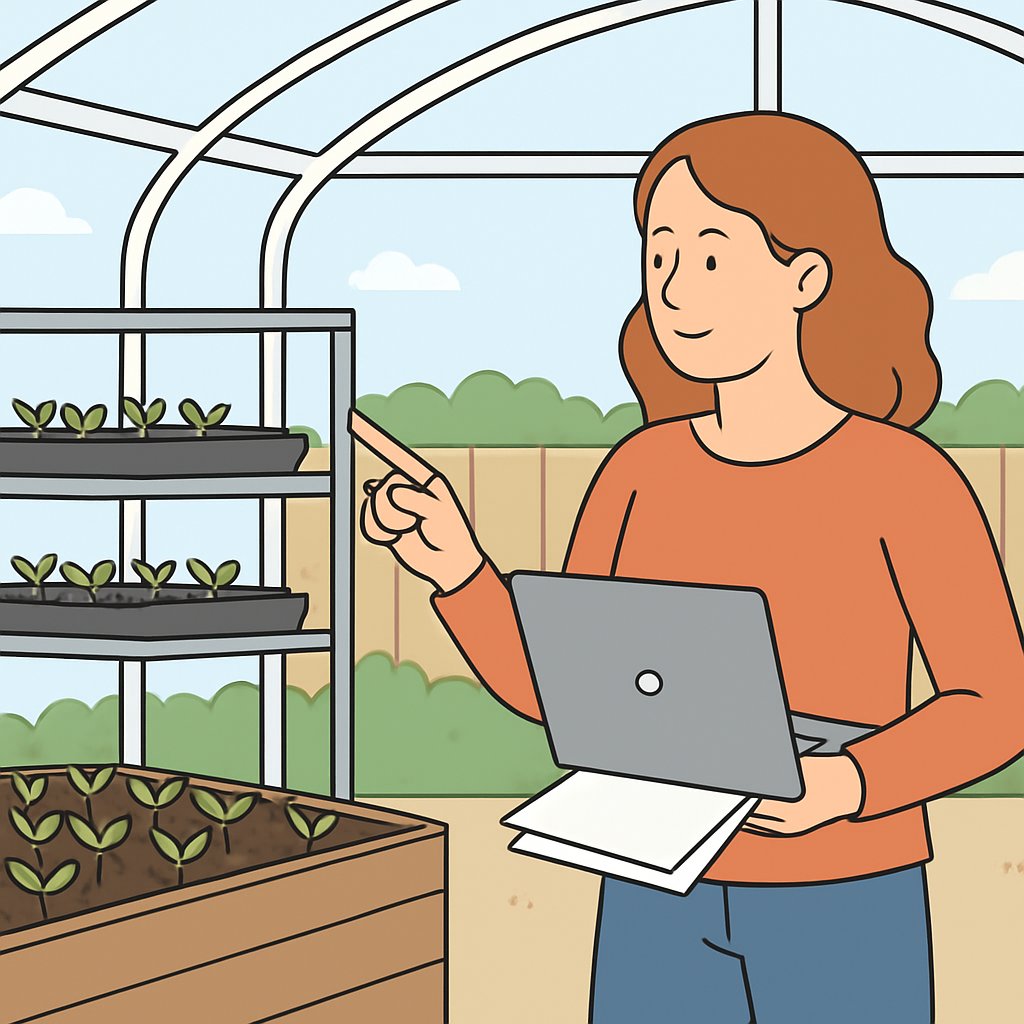
Integrated Pest Management Techniques for Residential Greenhouses
This guide outlines integrated pest management techniques for residential greenhouses.
It explains practical methods suitable for home growers.
Additionally, it presents prevention, monitoring, biological, cultural, and chemical approaches.
Fundamentals of Integrated Pest Management
Integrated Pest Management (IPM) combines multiple strategies to control pests effectively.
It emphasizes prevention, monitoring, and minimal use of chemicals.
Therefore, IPM helps maintain a healthy greenhouse environment.
Preventive Measures to Avoid Pest Infestations
Start by inspecting plants carefully before introducing them to your greenhouse.
Use clean tools and sanitize surfaces regularly.
Additionally, maintain proper ventilation and humidity control to discourage pests.
Remove any plant debris promptly to eliminate breeding grounds.
Monitoring and Early Detection
Regularly inspect plants for signs of damage or pests.
Use yellow sticky traps to catch flying insects early.
Record observations to track pest populations over time.
Early detection allows you to act before infestations grow severe.
Biological Control Methods
Introduce beneficial insects like ladybugs or predatory mites to combat pests naturally.
Companies like GreenLeaf Biocontrol supply effective natural predators.
Moreover, encourage pollinators to enhance overall greenhouse health.
Employing biological controls reduces reliance on chemical pesticides.
Cultural and Mechanical Control Techniques
Rotate crops within your greenhouse to disrupt pest lifecycles.
Use physical barriers, such as insect netting, to prevent pest entry.
Handpick visible pests and remove affected leaves promptly.
Showcase Your Farming Business
Publish your professional farming services profile on our blog for a one-time fee of $200 and reach a dedicated audience of farmers and agribusiness owners.
Publish Your ProfileThese methods supplement biological controls and strengthen pest management.
Selective Use of Chemical Controls
If necessary, opt for targeted organic pesticides like neem oil or insecticidal soap.
Always follow label instructions and apply treatments during cooler parts of the day.
Limit chemical use to minimize harm to beneficial insects.
Residual effects should be considered to protect plant health.
Implementing an Effective IPM Plan
Develop a schedule for regular pest monitoring and maintenance activities.
Train household members on identifying common greenhouse pests.
Work with local experts, like Greenhouse Solutions LLC, for advice and support.
Consistent application of IPM promotes sustainable pest control in residential setups.
Sustainable Practices: Water Conservation and Soil Health in Greenhouse Farming
Water conservation plays a crucial role in sustainable greenhouse farming.
Growers like Emma Larson implement drip irrigation to reduce water waste.
This technique delivers water directly to plant roots, increasing efficiency.
Effective Water Conservation Techniques
Moreover, capturing and reusing rainwater helps minimize freshwater use.
Greenhouses managed by EverGreen Growers use rainwater harvesting systems for irrigation needs.
Additionally, installing moisture sensors allows precise control over watering schedules.
These sensors prevent overwatering and adapt to changing plant demands.
Furthermore, mulching inside greenhouses reduces soil moisture evaporation.
Maintaining and Enhancing Soil Health
Healthy soil forms the foundation of productive greenhouse farming.
Specialists at TerraRoot Farms emphasize organic soil amendments to improve fertility.
They incorporate compost and vermicompost to enrich soil with essential nutrients.
Rotating crops inside greenhouses helps prevent soil nutrient depletion.
This practice also reduces the risk of pest and disease buildup.
Moreover, beneficial microorganisms promote nutrient cycling and soil structure.
Products like BioGro Soil Enhancer, developed by GreenTech Labs, support microbial activity.
Adding cover crops, such as clover, improves soil aeration and nitrogen levels.
Integrating Sustainable Practices for Long-Term Success
Combining water conservation with soil health management boosts sustainability.
For example, Elena Martinez integrates drip irrigation with compost application in her greenhouse.
This synergy reduces resource use and increases crop yield quality.
Regular soil testing informs targeted amendments and water adjustments.
Adopting these practices enhances resilience against climate variability.
Local greenhouse consultants, like GreenLeaf Advisory, provide tailored sustainable farming plans.
Consequently, residential property owners can achieve eco-friendly and productive greenhouse operations.
Legal Considerations and Local Regulations for Residential Greenhouses
Zoning laws determine how you can use your residential property.
They frequently regulate structures such as greenhouses and their permitted locations.
Always check with your city’s planning department before building.
Understanding Zoning Laws
Zoning codes determine allowed uses on residential parcels.
They commonly regulate where greenhouses may sit on a lot.
For example, the city of Springdale requires permits for all backyard greenhouses.
Zoning may also limit greenhouse size or height on residential lots.
Building Permits and Approval Processes
Most local governments require building permits for greenhouse construction.
Showcase Your Farming Business
Publish your professional farming services profile on our blog for a one-time fee of $200 and reach a dedicated audience of farmers and agribusiness owners.
Publish Your ProfilePermit applications usually need detailed plans and materials used.
Contact the building inspector’s office for specific requirements in your area.
Greenhouse owner Maria Lopez from Evergreen Hills shared her permit process was straightforward.
She recommends submitting all documents promptly to avoid delays.
Homeowner Association Regulations
Homeowner associations often have additional rules beyond city ordinances.
They may restrict greenhouse appearance or location in your yard.
Check your HOA’s covenants and bylaws carefully before starting construction.
Sometimes you must get approval from the HOA board beforehand.
Ignoring HOA rules can result in fines or forced removal of your greenhouse.
Environmental and Safety Standards
Environmental regulations might affect water runoff and pesticide use in your greenhouse.
The Department of Environmental Quality enforces some limitations on chemicals used.
Safety codes may apply to electrical wiring and ventilation systems.
Licensed contractors like GreenTech Installations ensure compliance with all codes.
Proper adherence protects your family and neighbors from hazards.
Tax Incentives and Subsidies
Some municipalities offer tax breaks or grants for sustainable residential farming.
Projects like greenhouse farming might qualify for these financial incentives.
Contact the local agricultural extension office for available programs.
In Oakwood County, property owner James Peters received a rebate for his solar-powered greenhouse.
These incentives can significantly reduce overall setup costs.
Consulting Local Experts and Resources
Consulting with local experts simplifies navigating legal requirements.
Land use attorney Rachel Matthews specializes in residential agricultural projects.
Local cooperative extension offices provide detailed guidelines and advice.
They can assist in permit applications and regulatory compliance.
Leveraging their knowledge ensures your greenhouse project proceeds smoothly.
Getting Started: A Step-by-Step Guide to Building Your First Greenhouse
Follow this step by step guide to build your first greenhouse.
The guide outlines site choice, structure, materials, and systems.
Work carefully and consult suppliers for help when necessary.
Choosing the Right Location
Begin by selecting an ideal spot on your property for the greenhouse.
Consider areas that receive ample sunlight throughout the day.
Avoid locations shaded by tall trees or nearby structures.
Additionally, ensure the ground is level to provide stable support.
Access to water and electricity nearby will simplify daily tasks.
Deciding on the Greenhouse Style and Size
Evaluate different greenhouse styles such as lean-to, hoop, or freestanding.
Each style offers unique benefits based on space and budget.
Then, determine the greenhouse size that fits your gardening goals.
Remember to leave room for plant growth and maintenance paths.
Consult with local suppliers like Evergreen Structures for expert advice.
Gathering Materials and Tools
List essential materials including framing components, glazing panels, and fasteners.
Choose durable materials like aluminum or treated wood for framing.
Glazing options range from glass, polycarbonate, to polyethylene film.
Showcase Your Farming Business
Publish your professional farming services profile on our blog for a one-time fee of $200 and reach a dedicated audience of farmers and agribusiness owners.
Publish Your ProfileConsider tools such as drills, saws, measuring tapes, and safety gear.
Visit Riverside Garden Supply to purchase quality materials and tools.
Preparing the Site
Clear the chosen area of debris, rocks, and vegetation.
Level the ground to create a smooth foundation for your structure.
Mark the greenhouse perimeter using stakes and string lines.
If needed, lay a gravel bed to improve drainage and stability.
Contact GreenScape Contractors to assist with professional site preparation.
Building the Greenhouse Frame
Start by assembling the base frame on the prepared site.
Securely fasten all joints according to manufacturer instructions.
Next, erect vertical supports and connect horizontal beams.
Check the frame for square alignment frequently during construction.
Consult a structural engineer from Urban Farm Designs for large projects.
Installing the Glazing
Carefully attach glazing panels to the frame, ensuring even spacing.
Use appropriate sealants or weatherstripping to prevent leaks.
Handle glass panels with caution to avoid injury and breakage.
Polycarbonate panels offer durable, lightweight alternatives with good insulation.
Secure doors and windows properly to maintain temperature control.
Adding Essential Systems
Install irrigation systems such as drip lines or misting equipment.
Set up ventilation through manually operated vents or automatic fans.
Consider adding heating systems if you plan to grow plants year-round.
Lighting can extend growing hours during short daylight periods.
Local businesses like SunFarm Solutions offer custom greenhouse system installations.
Final Inspection and First Planting
Walk around your completed greenhouse to inspect structural integrity.
Check doors, windows, and seals for proper functioning and security.
Clean the interior to remove any construction debris or dust.
Start with easy-to-grow plants to build confidence and knowledge.
Join community groups such as the Green Home Growers Club for ongoing support.


