




Introduction to Food Waste in Agriculture
Overview of Food Waste in Farming
Food waste significantly impacts agricultural sustainability worldwide.
Farmers face challenges that cause large amounts of produce to be discarded.
These losses occur during harvesting, processing, and distribution stages.
Therefore, reducing food waste is essential for environmental and economic health.
Current Statistics on Agricultural Food Waste
Global food waste from agriculture accounts for roughly 30% of total production.
According to recent studies, over 1.3 billion metric tons of food spoil annually on farms.
The Food Sustainability Institute highlights that fruits and vegetables face the highest loss rates.
In the United States, nearly 20 billion pounds of produce go to waste each year.
Impact of Food Waste on the Environment and Economy
Food waste contributes to unnecessary water and land resource depletion.
It also leads to increased greenhouse gas emissions from decomposing organic matter.
Economically, farmers lose millions of dollars due to unsold or discarded crops.
Consequently, food waste reduction benefits both producers and the environment.
Factors Contributing to Food Waste in Farms
Poor harvesting techniques lead to damaged or discarded fruits and vegetables.
Additionally, inadequate storage facilities cause spoilage in many farming communities.
Transportation delays often result in produce losing freshness before reaching markets.
Transform Your Agribusiness
Unlock your farm's potential with expert advice tailored to your needs. Get actionable steps that drive real results.
Get StartedFurthermore, market fluctuations can force farmers to leave crops unharvested.
Significance of Addressing Food Waste Early in Farming
Addressing food waste at the farming stage maximizes resource efficiency.
Early intervention helps improve food availability and farmer profitability.
Moreover, it supports global efforts to reduce hunger and carbon footprints.
Therefore, sustainable farm practices must prioritize minimizing food loss from the start.
Understanding Causes of Food Waste on Farms
Losses During Production
Food waste often begins right at the farm during crop cultivation.
Weather fluctuations can damage crops unpredictably.
Moreover, pests and diseases frequently reduce harvestable yields.
Improper irrigation or nutrient management also affects crop quality.
Sometimes farmers harvest prematurely to avoid anticipated risks.
Therefore, significant volumes of produce never reach optimal market condition.
Harvesting Challenges
Harvest timing critically influences food waste levels.
If produce is harvested too late, spoilage can occur quickly.
Additionally, inefficient harvesting methods cause mechanical damage.
Labor shortages may delay harvest times, increasing losses.
Small-scale farms sometimes lack access to modern harvesting equipment.
Consequently, damaged or unsellable products contribute to waste.
Sorting and Grading Practices
Farmers sort and grade produce to meet market standards.
Appearance standards often lead to rejection of perfectly edible goods.
Consumers and retailers demand uniform size, shape, and color.
This practice results in edible but imperfect items being discarded.
Furthermore, sorting processes can be time-consuming and labor-intensive.
As a result, some farms discard surplus or lower-quality produce.
Storage and Handling Issues
Proper storage conditions are essential to prevent spoilage.
Showcase Your Farming Business
Publish your professional farming services profile on our blog for a one-time fee of $200 and reach a dedicated audience of farmers and agribusiness owners.
Publish Your ProfileMany farms lack adequate refrigeration facilities.
Exposure to heat, moisture, or physical damage reduces product shelf life.
Inconsistent handling during transport increases bruising and decay.
Additionally, poor packaging can accelerate deterioration.
Therefore, storage and post-harvest handling often cause significant waste.
Distribution and Market Access Barriers
Limited access to reliable transportation hinders timely delivery.
Perishable goods may spoil during long or delayed transit.
Small-scale farmers often struggle to connect with larger markets.
Volatile market prices can discourage farmers from harvesting all produce.
Furthermore, complex supply chains increase the risk of loss.
Consequently, distribution challenges contribute heavily to farm-level food waste.
Impact of Regulatory and Economic Factors
Food safety regulations sometimes require discarding marginal products.
Strict export standards can exclude imperfect but edible goods.
Farmers may face financial pressure to prioritize high-value crops.
Market incentives often do not reward waste reduction efforts.
Additionally, lack of education about waste implications slows adoption.
Hence, economic and policy contexts significantly affect farm food waste.
Implementing Crop Rotation Techniques to Minimize Waste
Principles of Crop Rotation
Crop rotation involves planting different crops sequentially on the same land.
This technique helps disrupt pest and disease cycles effectively.
Consequently, it reduces the need for chemical pesticides and herbicides.
Moreover, rotating crops improves soil fertility by balancing nutrient use.
Farmers like Elena Morales successfully apply these techniques on their farms.
Impact on Waste Reduction
Crop rotation minimizes food waste by enhancing crop yield stability.
Healthier crops suffer less damage from pests and diseases over time.
Thus, it leads to fewer rejected or discarded products during harvesting.
Also, it decreases post-harvest losses by maintaining soil health and structure.
Farm owner Liam O’Connor notes significant waste reduction after adopting rotation methods.
Common Crop Rotation Strategies
- Legume-grain rotation replenishes nitrogen in the soil naturally.
- Root-tuber and leafy vegetable rotation interrupts pest life cycles.
- Cover crops improve soil organic matter and prevent erosion.
For instance, Sunrise Meadows Farms rotates soybeans, corn, and wheat annually.
Best Practices for Successful Implementation
Planning the rotation schedule is essential to maximize benefits.
Farmers should consider crop compatibility and nutrient requirements carefully.
Furthermore, monitoring soil health ensures adjustments are timely and effective.
Local agronomist Grace Kim advises integrating technology to track crop performance.
Regular training supports farm workers in applying rotation techniques correctly.
Explore Further: Farm-To-Table Pop-Ups for Farm Brewery and Winery Pairing Experiences
Innovative Farming Technology
Smart Sensors for Real-Time Monitoring
Smart sensors improve farm efficiency by monitoring crop and soil conditions continuously.
These devices detect moisture levels, temperature, and nutrient content precisely.
As a result, farmers receive timely alerts to make informed decisions quickly.
GreenField Technologies introduced advanced soil sensors that help Lucas Moreno reduce waste drastically.
Moreover, sensor data allows targeted irrigation, preventing water oversupply and crop spoilage.
Thus, farms optimize resource use while minimizing waste of surplus produce.
Showcase Your Farming Business
Publish your professional farming services profile on our blog for a one-time fee of $200 and reach a dedicated audience of farmers and agribusiness owners.
Publish Your ProfileData Analytics to Optimize Farm Management
Data analytics transforms sensor data into actionable insights for better farm management.
Farmers analyze growth patterns, pest activity, and weather forecasts to plan effectively.
For instance, Green Valley Farm employs AI tools to predict harvest schedules accurately.
This foresight decreases overproduction and limits unsold crops from spoiling.
Additionally, analytics help identify inefficiencies in storage and transportation processes.
Therefore, overall losses from food waste significantly decline with tailored interventions.
Integration of Technology in Waste Reduction Strategies
Integrating smart sensors and analytics creates well-rounded waste reduction strategies.
Farm managers collaborate with tech providers like AgroSmart to customize solutions.
They develop systems that adjust nutrient delivery based on real-time plant needs.
This prevents excess fertilizer use that can harm crops and the environment.
Furthermore, technology aids in monitoring harvest timing to reduce premature or delayed picking.
Consequently, produce maintains quality and shelf life, satisfying market demand more reliably.
Enhancing Sustainability and Profitability Through Technology
Innovative farming technology also enhances sustainability and profitability simultaneously.
By reducing waste, farms lower operational costs and improve resource conservation.
Environmental impact decreases through efficient use of water, fertilizers, and energy.
Additionally, consumers benefit from fresher, high-quality products delivered promptly.
Investing in smart farming attracts partnerships and funding opportunities for further growth.
Ultimately, technology adoption drives competitive advantage and long-term farm resilience.
Learn More: Farm-to-Restaurant Programs for Farm-Grown Herbs and Spices
Strategies for Educating Farmers and Stakeholders on Best Practices for Reducing Waste
Building Awareness Through Community Workshops
Organizing interactive community workshops helps spread knowledge effectively.
Local experts like Maria Gonzalez often lead engaging sessions on waste reduction.
Workshops encourage farmers to share their experiences and learn from peers.
Furthermore, practical demonstrations showcase techniques to minimize food loss.
These events also allow for immediate feedback and personalized guidance.
Utilizing Digital Platforms for Wider Reach
Creating educational content on platforms such as FarmConnect enhances accessibility.
Video tutorials led by specialists like Daniel Harper illustrate sustainable practices clearly.
Moreover, webinars connect stakeholders across regions in real-time discussions.
Social media campaigns by GreenFields Cooperative raise continual awareness effectively.
Digital newsletters provide regular updates on innovations and success stories.
Partnering with Agricultural Extension Services
Extension agents play a crucial role in delivering tailored advice to farms.
The North Valley Agricultural Extension offers workshops focused on reducing waste.
Through farm visits, agents assess individual needs and recommend best methods.
They also facilitate access to resources such as composting equipment and storage solutions.
Building trust with extension services increases farmer engagement in sustainable initiatives.
Implementing Farmer-to-Farmer Mentorship Programs
Experienced farmers like Lawrence Kim mentor newcomers on efficient resource use.
Mentorship programs foster long-term relationships and continuous knowledge exchange.
They help translate theoretical practices into successful daily routines.
Additionally, they promote accountability and motivate participants to minimize waste.
Such peer-based learning supplements formal training and strengthens community bonds.
Providing Incentives and Recognition
Farms that reduce waste significantly receive awards from organizations like Harvest Alliance.
Showcase Your Farming Business
Publish your professional farming services profile on our blog for a one-time fee of $200 and reach a dedicated audience of farmers and agribusiness owners.
Publish Your ProfileIncentives such as grants encourage adoption of innovative waste reduction tools.
Recognition motivates stakeholders to improve practices and share achievements publicly.
Consequently, it creates positive competition and widespread awareness of sustainable methods.
Ultimately, incentives drive continuous improvement across the agricultural community.
You Might Also Like: How Farm-To-Table Delivery Impacts Rural American Agriculture And Food Access
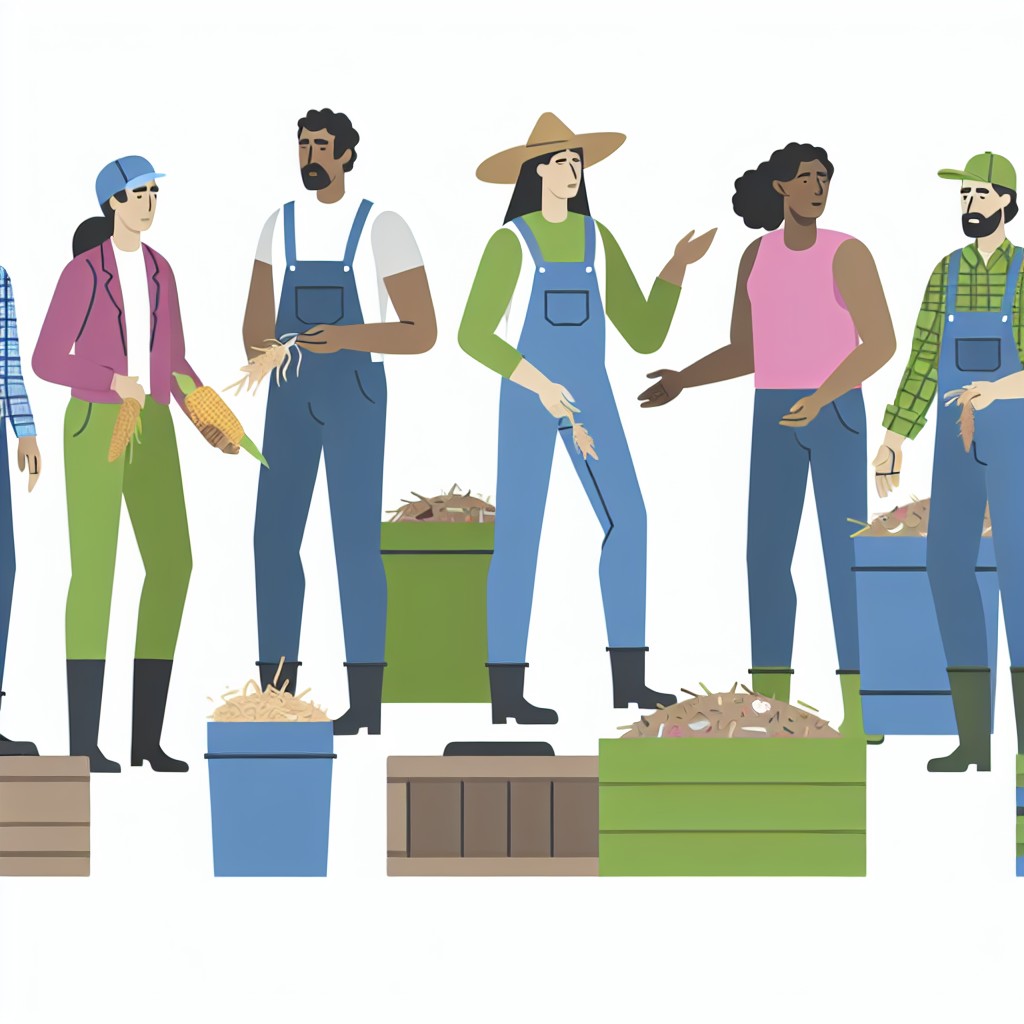
Utilizing Surplus Produce
Options for Food Banks
Many farms experience surplus produce during peak harvest seasons.
They can donate excess fruits and vegetables to local food banks.
For instance, Maple Ridge Farms regularly partners with Community Harvest Food Bank.
This collaboration helps distribute fresh produce to families in need.
Donations reduce food waste while supporting food insecurity efforts.
Farms should establish clear schedules for picking up or dropping off donations.
Moreover, proper packaging ensures produce stays fresh during transport.
Farm managers like Elena Torres coordinate with regional food banks efficiently.
Such partnerships often result in positive community feedback and support.
Community Outreach Initiatives
Beyond food banks, farms can engage directly with local communities.
Community-supported agriculture (CSA) programs accept surplus produce as donations.
These programs promote awareness about sustainable farming practices.
For example, Greenfield Organics organizes weekly farmers' markets featuring surplus items.
Offering discounted or free produce encourages healthier eating habits locally.
Additionally, farms may collaborate with nonprofit groups focused on hunger relief.
Farm owner Lucas Ramirez hosts educational workshops on reducing food waste.
These events often include distributing surplus vegetables to participants.
Consequently, community outreach strengthens farm-community relationships.
Logistical Considerations
Effective logistics improve surplus produce distribution success.
Farms should track inventory accurately to identify available surplus in advance.
Cold storage facilities preserve produce quality between harvest and donation.
Transportation arrangements require coordination with receiving organizations.
Volunteers often assist in harvesting and delivering donated fruits and vegetables.
For example, Sunny Acres Farm recruits local volunteers for donation days.
Careful planning prevents spoilage and maximizes the impact of donations.
Furthermore, digital platforms can streamline donor and recipient communication.
Using apps like FreshConnect helps connect farms with nearby food programs promptly.
Discover More: Farm-To-Table Pop-Ups for Celebrating Heirloom and Heritage Crops
Composting: Turning Food Waste into a Resource for Soil Health
Benefits of Composting for Farms
Composting transforms food waste into valuable organic matter.
It enriches soil with essential nutrients naturally.
As a result, farmers reduce reliance on chemical fertilizers.
Moreover, compost improves soil structure and water retention.
This practice enhances microbial activity, promoting plant growth.
Ultimately, composting supports sustainable and resilient farm ecosystems.
How to Set Up a Composting System
First, choose a suitable location with good drainage and shade.
Showcase Your Farming Business
Publish your professional farming services profile on our blog for a one-time fee of $200 and reach a dedicated audience of farmers and agribusiness owners.
Publish Your ProfileNext, gather organic materials, including food scraps and farm residues.
It is important to balance green materials rich in nitrogen with brown materials high in carbon.
This balance accelerates decomposition and prevents odors.
Arrange materials in layers to ensure proper aeration and moisture levels.
Regularly turn the compost to supply oxygen and distribute heat evenly.
To monitor progress, check that the pile maintains a temperature between 130°F and 160°F.
Following these steps results in nutrient-rich compost ready to use within a few months.
Materials Suitable for Farm Composting
- Vegetable and fruit scraps from farm operations and markets
- Crop residues such as stalks and leaves
- Manure from livestock as a nitrogen source
- Dry materials like straw, sawdust, and shredded paper
- Eggshells and coffee grounds
However, avoid adding meat, dairy, and oily foods to prevent pests and odors.
Best Practices to Maximize Compost Quality
Maintain moisture similar to a damp sponge to aid microbial activity.
Avoid compacting materials to allow airflow and prevent anaerobic conditions.
Chop or shred large pieces to speed up decomposition.
Test soil periodically to assess nutrient levels and adjust compost use accordingly.
Finally, involve farm workers like Miguel Santos and Anna Becker to manage compost effectively.
Regulatory Frameworks and Incentives
Government Policies Supporting Waste Reduction
Governments worldwide enact policies to encourage food waste reduction in farming.
These policies provide clear guidelines to minimize waste throughout agricultural processes.
For example, the Department of Agriculture in Vermont supports sustainable farm waste initiatives.
They require farms to report food loss and set targets for ongoing reduction.
Moreover, regulations promote responsible use and redistribution of surplus crops.
To stimulate adoption, authorities offer financial incentives to farmers.
Subsidies often cover costs related to composting equipment and waste processing technologies.
Additionally, tax breaks reward farms implementing certified waste reduction programs.
Such incentives drive innovation in sustainable farming practices aggressively.
Furthermore, many programs foster partnerships between farmers and food banks.
This collaboration ensures edible surplus food reaches communities in need promptly.
Support from Agricultural Extension Services
Extension services play a crucial role in disseminating waste reduction knowledge.
The California Agricultural Extension provides training on effective post-harvest handling.
These programs improve harvesting techniques to reduce crop damage significantly.
Likewise, they promote best storage practices to extend produce shelf life.
Consequently, farmers experience less spoilage and lower waste at the farm level.
Experts like Dr. Michael Reynolds lead workshops focusing on sustainable resource use.
Moreover, ongoing support ensures farmers keep pace with evolving regulations.
International Cooperation and Standards
International bodies establish standards to harmonize food waste reduction globally.
The Food and Agriculture Organization (FAO) advocates for sustainable food systems.
It encourages member countries to adopt policies reducing agricultural waste strategically.
Similarly, the United Nations promotes frameworks linking waste reduction to climate goals.
Global trade policies increasingly consider environmental sustainability criteria.
Hence, farmers benefit from accessing new markets rewarding eco-friendly practices.
Countries such as Denmark and New Zealand lead by example in enforcing strict waste policies.
International cooperation accelerates progress towards sustainable farming worldwide.
Additional Resources
How is the Farm-to-Table movement promoting Sustainability?
Showcase Your Farming Business
Publish your professional farming services profile on our blog for a one-time fee of $200 and reach a dedicated audience of farmers and agribusiness owners.
Publish Your ProfileRegenerative Agriculture 101 – NRDC