




Introduction to Pest and Disease Control in Sustainable Farming
Pest and disease management plays a crucial role in sustainable farming practices.
Farmers must integrate environmentally friendly strategies to protect their crops.
These strategies enhance yields while minimizing ecological damage.
Therefore, farmers should implement integrated pest management to achieve these goals.
Understanding Integrated Pest Management
Integrated pest management combines several approaches to control pests effectively.
This method reduces farmers’ reliance on chemical pesticides.
It uses biological, cultural, and physical control measures.
Farmers identify pests and regularly monitor their populations.
They use action thresholds to decide when control measures become necessary.
The Role of Biodiversity
Biodiversity plays a vital role in managing pests and diseases.
In many cases, greater biodiversity supports natural pest control mechanisms.
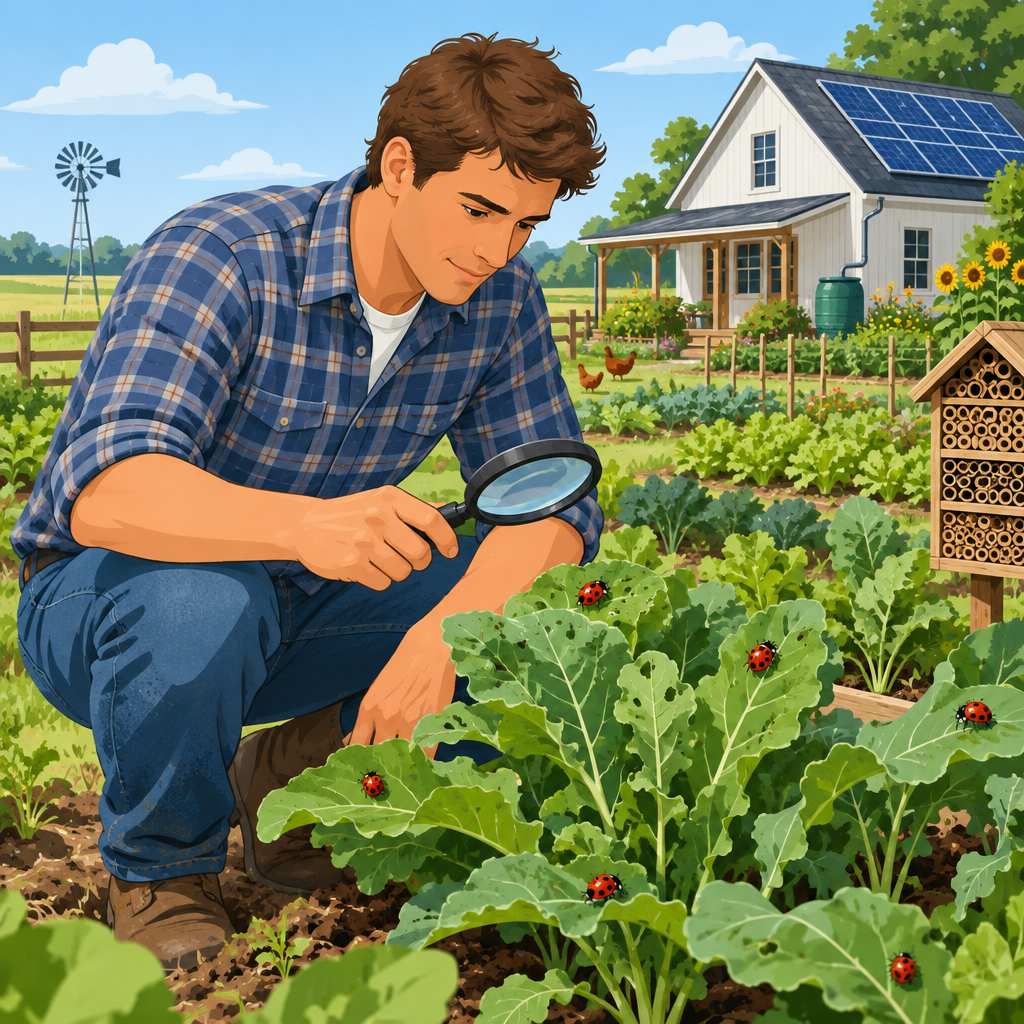
For example, farmers can encourage beneficial insects, such as ladybugs, to maintain ecological balance.
Additionally, diverse crops can reduce the spread of specific pests.
Crop rotation and intercropping can further enhance farm diversity.
Utilizing Organic Practices
Organic farming practices support sustainable pest and disease management.
Transform Your Agribusiness
Unlock your farm's potential with expert advice tailored to your needs. Get actionable steps that drive real results.
Get StartedFarmers can apply natural inputs, such as neem oil and diatomaceous earth.
These substances generally reduce harm to beneficial organisms.
Meanwhile, regular soil health checks promote stronger plants that resist pests.
Incorporating Technology
Modern technology improves farmers’ ability to monitor pests and diseases.
Drones and sensors provide precise observations of crop health.
Farm management software helps farmers track pest populations efficiently.
As a result, farmers can analyze data and make informed intervention decisions.
Community and Knowledge Sharing
Farmers benefit when they share knowledge and experiences with their peers.
Local farming groups can provide support and introduce new strategies.
Furthermore, workshops and seminars help farmers learn innovative practices.
Research institutions also offer valuable resources and recommendations.
Common Farmland Pests and Diseases
Farmland faces threats from pests and diseases that reduce crop health and productivity.
These problems involve insects, rodents, nematodes, fungi, bacteria, and viruses.
Farmers can protect crops by identifying threats and applying suitable management practices.
Identifying Common Pests
Farmers regularly encounter pests that threaten crops and reduce productivity.
These pests include insects, rodents, and nematodes.
For example, aphids and caterpillars can cause severe crop damage.
Meanwhile, mice and voles can also threaten farmland production.
Furthermore, nematodes can damage soil health and reduce yields.
Recognizing Common Crop Diseases
Crops face numerous diseases that can severely restrict growth.
For instance, fungal infections such as blight spread quickly during wet conditions.
Bacterial diseases, including wilt, can eventually destroy affected crops.
Additionally, viral infections can weaken plants and reduce yields.
Contaminated tools and equipment can also spread diseases between plants.
Showcase Your Farming Business
Publish your professional farming services profile on our blog for a one-time fee of $200 and reach a dedicated audience of farmers and agribusiness owners.
Publish Your ProfileEconomic and Environmental Impacts
Pests and diseases can create significant economic losses for farmers.
Infected crops often produce smaller harvests or become unsuitable for consumption.
Consequently, farmers may spend more money caring for affected crops.
Many farmers use chemical treatments to control serious infestations and infections.
However, excessive chemical use can damage soil and reduce biodiversity.
Integrated Pest Management Strategies
Integrated Pest Management offers a broad approach to controlling agricultural pests.
This strategy combines biological, cultural, and chemical practices.
Regular monitoring helps farmers make informed pest management decisions.
Moreover, natural predators can reduce pest populations without relying only on chemicals.
Cultural practices also help farmers prevent pest outbreaks.
Preventive Measures Against Crop Diseases
Farmers can prevent diseases by maintaining healthy soil.
For example, crop rotation can interrupt disease cycles and support soil health.
Furthermore, disease-resistant crop varieties can limit disease development.
Regular plant inspections allow farmers to identify diseases at an early stage.
Finally, clean farming equipment helps prevent disease transmission.
The Role of Integrated Pest Management in Sustainable Practices
Integrated Pest Management combines multiple strategies for controlling pests.
This method supports environmental sustainability while promoting crop health.
Farmers use IPM to reduce pesticide use and limit harmful effects on ecosystems.
Overview of Integrated Pest Management
IPM requires farmers to understand pest life cycles and environmental interactions.
Farmers can then select control methods that match specific pest conditions.
This approach combines prevention, monitoring, and carefully selected interventions.
As a result, IPM supports crop protection with fewer unnecessary treatments.
Components of IPM
IPM combines several complementary components to manage pest populations.
Each component addresses pest problems through a different practical strategy.
Farmers can coordinate these methods while responding to conditions on their land.
- Cultural control changes farming practices and uses crop rotations to reduce pest habitats.
- Biological control uses natural predators or parasites to manage pest populations.
- Mechanical control uses physical barriers or traps to prevent pest damage.
- Chemical control uses targeted pesticides when necessary and limits effects on non-target species.
Benefits of IPM
IPM offers several benefits for sustainable agriculture.
It reduces reliance on chemical pesticides and supports environmental health.
Farmers may also reduce costs over time by adopting IPM practices.
Additionally, healthier crops can strengthen long-term agricultural productivity.
Implementing IPM on Farmland
Farmers should begin by assessing specific pest challenges on their land.
Next, monitoring pest populations can guide targeted interventions.
Education and training help farmers apply IPM strategies effectively.
Furthermore, local agricultural extensions can provide valuable implementation resources.
Case Studies of Successful IPM
Many farms have adopted IPM practices and achieved positive results.
For instance, Green Valley Orchards reduced pesticide use through biological controls.
Meanwhile, Riverstone Farms used cultural controls to improve soil health.
These examples show how IPM can support diverse farming systems.
Learn More: Impact of Invasive Pests on Farmland and Rural Property Values
Cultural Control Methods: Promoting Healthy Soil and Crop Rotation
Cultural control uses farming practices that strengthen plant health.
These practices reduce risks from pest and disease outbreaks.
Showcase Your Farming Business
Publish your professional farming services profile on our blog for a one-time fee of $200 and reach a dedicated audience of farmers and agribusiness owners.
Publish Your ProfileHealthy soils and farm ecosystems support sustainable farming.
Promoting Healthy Soil
Soil health provides the foundation for successful crop production.
First, test soil to understand its nutrient composition.
This assessment guides amendments and organic matter additions.
Next, incorporate compost to improve nutrient levels and soil structure.
Additionally, cover crops prevent erosion and improve fertility.
Crop Rotation Strategies
Crop rotation offers a proven cultural control method.
It disrupts pest and disease cycles effectively.
Rotate different plant families to reduce specific pest populations.
For instance, follow legumes with grains to enhance soil nitrogen levels.
Moreover, diverse rotations improve overall biodiversity.
Additional Practices for Soil Health and Pest Management
Mulching provides another beneficial practice for soil health.
It suppresses weeds while maintaining soil moisture.
Furthermore, intercropping creates a natural barrier against pests.
Choose companion plants that deter harmful insects.
For example, marigolds repel nematodes and other pests.
Monitoring and Evaluation
Consistently monitor soil health and pest populations.
Then, adjust practices according to observed conditions and outcomes.
This ongoing evaluation helps farmers remain proactive.
Also, collaborate with local agricultural extension services for support.
By using these cultural control methods, farmers can support sustainable farming practices.
Explore Further: How Agricultural Pests Affect Property Values in Rural Areas
Natural Predators for Sustainable Pest Control
Natural predators play a crucial role in pest management.
They control pest populations effectively and sustainably.
For example, ladybugs effectively target aphids.
Similarly, lacewings target various soft-bodied insects.
By introducing these predators, farmers can reduce chemical pesticide use.
Moreover, beneficial predators enhance biodiversity throughout the farm.
Farmers should enhance habitats for these helpful insects.
Planting diverse flora attracts additional natural predators.
Microorganisms for Targeted Pest Management
Microorganisms also provide powerful tools for pest control.
For instance, certain bacteria target harmful insects while sparing beneficial species.
Bacillus thuringiensis, or Bt, provides a well-known example.
It produces toxins that kill specific pests, including caterpillars.
Consequently, this method reduces reliance on broad-spectrum insecticides.
Farmers can also use fungi to support disease management.
Entomopathogenic fungi naturally infect and kill pest insects.
By integrating these microorganisms, farmers strengthen resilience against pests and diseases.
Balanced Ecosystems for Biological Control
A balanced ecosystem supports successful biological control.
Diverse crop planting promotes stability within pest populations.
Showcase Your Farming Business
Publish your professional farming services profile on our blog for a one-time fee of $200 and reach a dedicated audience of farmers and agribusiness owners.
Publish Your ProfileAdditionally, crop rotation disrupts pest life cycles and reduces outbreaks.
Including flowering plants also provides food for beneficial insects.
This approach fosters healthy conditions and reduces pest pressure.
Farmers should regularly monitor pest populations and adjust their strategies.
Furthermore, local agricultural experts can provide valuable guidance.
Sustainable pest management supports healthier crops and soils.
Discover More: Climate Change and Its Role in Pest Infestation Near Farmland Homes
Understanding Pesticides
Pesticides are chemical substances that farmers use to manage pests effectively.
They can protect crops from insects, weeds, and diseases.
However, improper use can harm human health and the environment.
Choosing Appropriate Pesticides
Farmers should select pesticides that address specific pest problems.
Research helps identify options that reduce environmental impacts.
Additionally, less toxic products can better protect non-target organisms.
Safe Application Techniques
Proper application techniques improve pesticide effectiveness and protect users.
Apply pesticides during calm weather to reduce chemical drift.
Furthermore, appropriate protective gear helps safeguard personal health.
Follow label instructions for dosage and timing to support effective treatment.
Chemical Controls Within Integrated Management
Farmers should combine chemical controls with other pest management strategies.
Biological controls, cultural practices, and mechanical methods can complement pesticide use.
This combination reduces reliance on chemical pesticides.
As a result, integrated management supports more sustainable long-term control.
Monitoring and Evaluating Results
Regular monitoring reveals changes in pest populations and crop health.
Farmers can evaluate whether pesticide treatments provide effective control.
These evaluations guide future pest management decisions.
Documenting findings also helps farmers improve their management strategies.
Protecting Environmental Resources
Farmers should assess how pesticide use may affect the environment.
Runoff reduction strategies help protect nearby water bodies.
Buffer zones can shield sensitive habitats from chemical exposure.
Where feasible, organic farming practices can complement responsible chemical control.
Meeting Pesticide Regulations
Farmers must follow local regulations when using agricultural chemicals.
They should understand pesticide registration and usage requirements.
Proper disposal prevents unused or expired pesticides from causing harm.
Regularly reviewing legal updates helps maintain compliant pesticide practices.
Learn More: Pest and Disease Risks for Farms Near Residential Communities
Monitoring and Early Detection
Regular crop monitoring supports effective pest management.
Farmers can identify issues before they become significant problems.
Moreover, timely detection improves the chances of successful intervention.
Tools for Monitoring
Farmers can use various tools to monitor crops effectively.
Drones equipped with cameras support aerial crop surveys.
Additionally, crop sensors gather real-time data about plant health.
Showcase Your Farming Business
Publish your professional farming services profile on our blog for a one-time fee of $200 and reach a dedicated audience of farmers and agribusiness owners.
Publish Your ProfileLight traps attract and capture certain pests for analysis.
Techniques for Early Detection
Specific techniques can improve the accuracy of early detection.
Farmers should routinely inspect leaves and stems visually.
Furthermore, soil tests monitor nutrient levels and soil health.
Farmers should record pest occurrences to recognize recurring patterns.
Data Management and Analysis
Effective data management helps farmers make informed decisions.
Software tools can streamline data collection and analysis.
Farmers can also use apps designed for pest monitoring.
Analyzing data trends enables proactive responses to pest infestations.
Educating the Agricultural Community
Education plays an important role in monitoring and detection success.
Farmers should attend training workshops on pest identification.
Moreover, sharing findings with agricultural groups strengthens community knowledge.
Open communication fosters continuous learning and mutual support.
Importance of Community Involvement
Community involvement strengthens local pest management efforts.
Engaged residents understand local pest concerns more clearly.
They can share useful information about outbreaks and practical solutions.
Moreover, community collaboration improves the effectiveness of management activities.
Educational Programs and Workshops
Educational programs empower farmers to manage pests responsibly.
Workshops can teach participants to identify pests and select suitable management techniques.
Participants also learn about beneficial insects and organic methods.
Furthermore, these programs encourage environmental responsibility.
Hands-on training increases farmers’ confidence when addressing pest problems.
Partnerships with Local Organizations
Partnerships with local organizations strengthen community pest management efforts.
Schools and universities can provide valuable expertise and educational support.
They can also help create accessible learning resources and materials.
Additionally, local health departments can offer relevant advice and assistance.
Technology for Community Engagement
Technology expands communication opportunities within community pest management programs.
Online platforms allow participants to share information quickly.
Mobile applications can help residents report pest sightings promptly.
Consequently, communities can respond more quickly to emerging pest threats.
Feedback Mechanisms for Continuous Improvement
Feedback mechanisms encourage residents to contribute ongoing pest management insights.
Surveys can measure how effectively communities apply management strategies.
Regular responses help organizers improve their methods over time.
Moreover, evaluation activities build trust and cooperation among residents.
They also encourage communities to take ownership of local pest management.
Future Trends in Pest and Disease Control for Sustainable Agriculture
Future pest control will combine technology, ecological practices, climate adaptation, and education.
Farmers will seek sustainable solutions that protect productivity while reducing environmental harm.
Communities will support these efforts through shared knowledge and practical training.
Advancements in Agricultural Technology
Technological innovation will strengthen future pest and disease management.
Precision agriculture uses drones and sensors to monitor crop conditions.
Showcase Your Farming Business
Publish your professional farming services profile on our blog for a one-time fee of $200 and reach a dedicated audience of farmers and agribusiness owners.
Publish Your ProfileThese tools help farmers detect pests and diseases during their early stages.
Furthermore, artificial intelligence analyzes crop data and provides predictive insights.
Biological Approaches Within Future Pest Management
Integrated Pest Management will continue gaining attention among sustainable farmers.
Farmers increasingly choose biological controls instead of relying mainly on chemical pesticides.
This approach reduces environmental impacts while supporting consistent crop productivity.
Additionally, ecological strategies can interrupt pest development without excessive chemical use.
Climate-Resilient Farming Systems
Farmers must adapt pest and disease strategies to changing climate conditions.
Resilient crop varieties can withstand shifting weather patterns.
Farmers also invest in native plants to support agricultural biodiversity.
These practices strengthen farms against future pest and disease pressures.
Regenerative Agriculture and Soil Health
Regenerative agriculture focuses on restoring and maintaining healthy soil.
Healthy soils can help crops resist pest invasions more effectively.
For example, cover crops encourage microbial activity within the soil.
Farmers increasingly view these practices as sustainable long-term solutions.
Education and Community Knowledge Sharing
Education will remain essential for successful sustainable pest control.
Organizations provide training workshops that explain environmentally responsible practices.
Local farmers share knowledge and collaborate on practical management approaches.
Consequently, communities can strengthen pest management outcomes across their farms.


