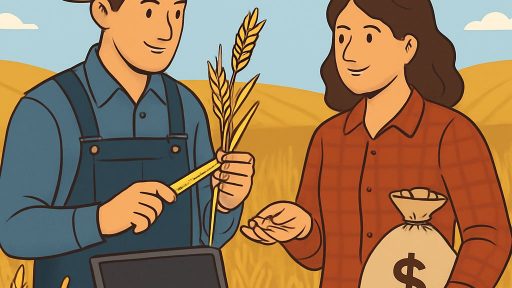




Overview of On-Farm Food Waste
Food waste on farms accounts for a significant portion of overall food loss in the USA.
Farms face unique challenges that contribute to this issue.
Overproduction, market demand, and cosmetic standards lead to substantial waste.
Scope of Food Waste in the USA
Approximately 30-40% of food produced in the country goes uneaten.
This translates to nearly 133 billion pounds of food wasted annually.
Moreover, wasted food represents wasted resources, including water and land.
Impact of Food Waste on the Environment
The environmental consequences of on-farm food waste are profound.
Decomposing food in landfills emits methane, a potent greenhouse gas.
Additionally, this practice can improve soil health and support sustainable farming.
Economic Implications of Food Waste
Food waste also carries heavy economic costs.
Farmers lose money on unsellable produce each year.
Furthermore, wasted food translates to losses in labor and input costs.
Community Responses to Food Waste
Communities are increasingly recognizing the need for collaborative solutions.
Local partnerships and initiatives can significantly reduce on-farm waste.
For instance, programs connect farmers with food banks and charitable organizations.
Transform Your Agribusiness
Unlock your farm's potential with expert advice tailored to your needs. Get actionable steps that drive real results.
Get StartedThis creates a beneficial exchange, redirecting surplus food to those in need.
Ultimately, community efforts enhance food security and reduce wastage.
The Role of Community Partnerships in Reducing Food Waste
This piece highlights community partnerships that reduce food waste.
It focuses on local networks, research, education, policy, and measurement.
Readers will see how collaboration supports practical solutions without added complexity.
Building Strong Local Networks
Community partnerships play a vital role in addressing food waste on farms.
They connect farmers with local businesses to enhance resource sharing.
Collaborative efforts often yield creative solutions that reduce surplus.
For example, farmers can donate surplus produce to local food banks.
This action minimizes waste and supports families in need.
Encouraging Research and Innovation
Community partnerships can drive research into food waste solutions.
Universities and agricultural organizations often collaborate with farmers on studies.
Joint research projects focus on developing more efficient farming practices.
These activities raise awareness about sustainable practices among producers.
Additionally, innovation in storage techniques can significantly reduce spoilage.
Educational Initiatives and Outreach
Formal education plays a key role in changing perceptions about food waste.
Local community groups organize workshops that target farmers and producers.
Workshops teach sustainable farming practices and waste reduction techniques.
Moreover, outreach programs raise awareness among consumers about responsible choices.
Educating the public on food waste impacts promotes more responsible consumption.
Collaborative Policy Advocacy
Community partnerships amplify voices that advocate for supportive policies.
Groups unite to press for regulations that reduce food waste.
Partners also pursue funding for initiatives that cut waste.
This collaborative strategy increases the effectiveness of advocacy efforts.
Showcase Your Farming Business
Publish your professional farming services profile on our blog for a one-time fee of $200 and reach a dedicated audience of farmers and agribusiness owners.
Publish Your ProfileWhen farmers, organizations, and local governments work together, change becomes possible.
Measuring Impact and Advancing Goals
Assessing the effectiveness of partnerships is crucial for progress.
With clear metrics, stakeholders can track progress toward waste reduction.
Surveys and data collection reveal changes in food waste levels.
These insights let communities adjust strategies and refine goals.
Ultimately, the shared knowledge benefits all partners involved.
Case Studies: Successful Community Initiatives Addressing Food Waste
Case studies show community initiatives can reduce food waste while improving food access.
These projects often involve farmers, schools, restaurants, nonprofits, and technology partners.
Moreover, they demonstrate practical strategies that communities can adapt locally.
Partnership with Local Food Banks
A community in Indiana partnered with local food banks.
Farmers donate unsold crops to diminish food waste.
As a result, families receive fresh produce and improved food access.
Additionally, the program raises awareness about food waste and hunger.
Innovative Composting Programs
In Oregon, a forward-thinking composting project emerged.
The program involves farmers, restaurants, and schools collecting organic waste.
Participants transform organic waste into compost to enrich soil.
Consequently, the project reduces landfill waste within the community.
The Farm-to-School Initiative
California launched a farm-to-school initiative.
This program connects local farms to school cafeterias.
Students receive fresh produce while learning about sustainability.
Moreover, the initiative minimizes food waste through mindful portioning.
Community-Supported Agriculture
In New York, community-supported agriculture groups thrive.
Members purchase shares of a farm’s harvest in advance.
This model encourages responsible consumption and reduces surplus.
Furthermore, it fosters direct connections between farmers and consumers.
Utilizing Technology for Food Recovery
A tech startup in Massachusetts created an app for food recovery.
The app connects businesses with excess food to local charities.
Therefore, surplus food reaches those in need quickly.
As a result, the app reduces waste and increases food accessibility.
Educational Workshops and Initiatives
Community centers across the U.S. host workshops on reducing food waste.
Workshops teach meal planning and proper storage techniques to participants.
Participants engage in hands-on cooking lessons to avoid waste.
Additionally, centers increase local awareness about reducing household food waste.
Discover More: Growing Heritage Wheat and Its Benefits for Small-Scale Farmers
Strategies for Engaging Farmers in Food Waste Solutions
Trust is essential for effective collaboration with farmers.
Education plays a critical role in addressing food waste.
Technology can streamline food waste management on farms.
Building Trust and Relationships
Engagement starts with understanding their concerns and motivations.
Establishing personal connections helps build long-term partnerships.
Regular communication fosters openness and mutual respect.
Showcase Your Farming Business
Publish your professional farming services profile on our blog for a one-time fee of $200 and reach a dedicated audience of farmers and agribusiness owners.
Publish Your ProfileFarmers are more likely to adopt solutions when they trust their partners.
Promoting Education and Awareness
Workshops and seminars can share best practices among farmers.
Highlighting success stories encourages others to participate.
Providing resources simplifies the learning process for farmers.
Awareness campaigns can showcase the environmental impact of food waste.
Incentivizing Participation
Financial incentives can motivate farmers to adopt food waste solutions.
Grants and subsidies lower the cost of implementing new practices.
Recognition programs can celebrate farmers who lead the way.
Highlighting tangible benefits encourages wider adoption.
Partnerships with local businesses can create new revenue streams.
Implementing Technology Solutions
Mobile apps provide resources and guidance for farmers.
Data-driven approaches help track waste and improve practices.
Innovative tools decrease the time and effort required for farmers.
Fostering tech partnerships can produce tailored solutions for farmers.
Collaborating with Local Organizations
Local organizations can enhance initiatives aimed at reducing food waste.
Collaboration opens doors for resource sharing and joint efforts.
These partnerships can amplify outreach and education efforts.
Local organizations understand their communities’ unique needs.
Working together can drive community-wide change in food waste practices.
Discover More: Why Farm-To-Restaurant Programs Drive Economic Growth In Rural America
The Importance of Education and Training for Farmers and Communities
Education plays a vital role in helping farmers understand the impact of waste.
Partnerships with local organizations amplify education efforts.
Technology enhances access to educational resources for farmers.
Understanding Food Waste Challenges
Farmers face significant challenges with food waste on their farms.
Recognizing these challenges is the first step toward finding effective solutions.
Through training, farmers learn to implement practices that reduce waste.
Enhancing Knowledge through Workshops
Workshops provide farmers with practical knowledge about waste reduction.
Expert speakers share innovative techniques and strategies in these settings.
Additionally, farmers engage in hands-on activities to practice new skills.
These workshops foster a community learning environment.
Farmers can exchange ideas and learn from each other’s experiences.
Collaboration with Local Organizations
Organizations often provide resources and support for training programs.
They help bridge gaps between research and practical application on farms.
This collaboration ensures that local contexts are considered in training.
Ultimately, it strengthens community ties and encourages sustainable practices.
Utilizing Technology in Education
Online platforms offer webinars and tutorials about waste management.
Farmers can learn at their own pace and revisit content as needed.
Moreover, mobile applications provide tools for tracking waste on farms.
This integration of technology empowers farmers to make informed choices.
Success Stories from Trained Farmers
Many farmers report significant reductions in waste after training.
Showcase Your Farming Business
Publish your professional farming services profile on our blog for a one-time fee of $200 and reach a dedicated audience of farmers and agribusiness owners.
Publish Your ProfileFor example, Sarah, a vegetable farmer, implemented new sorting techniques.
As a result, she reduced her waste by 30% within a season.
Similarly, Tom adopted composting methods, turning waste into valuable fertilizer.
These success stories inspire others and demonstrate tangible benefits.
Gain More Insights: Farm-To-Table Pop-Ups for Educating Consumers on Food Traceability
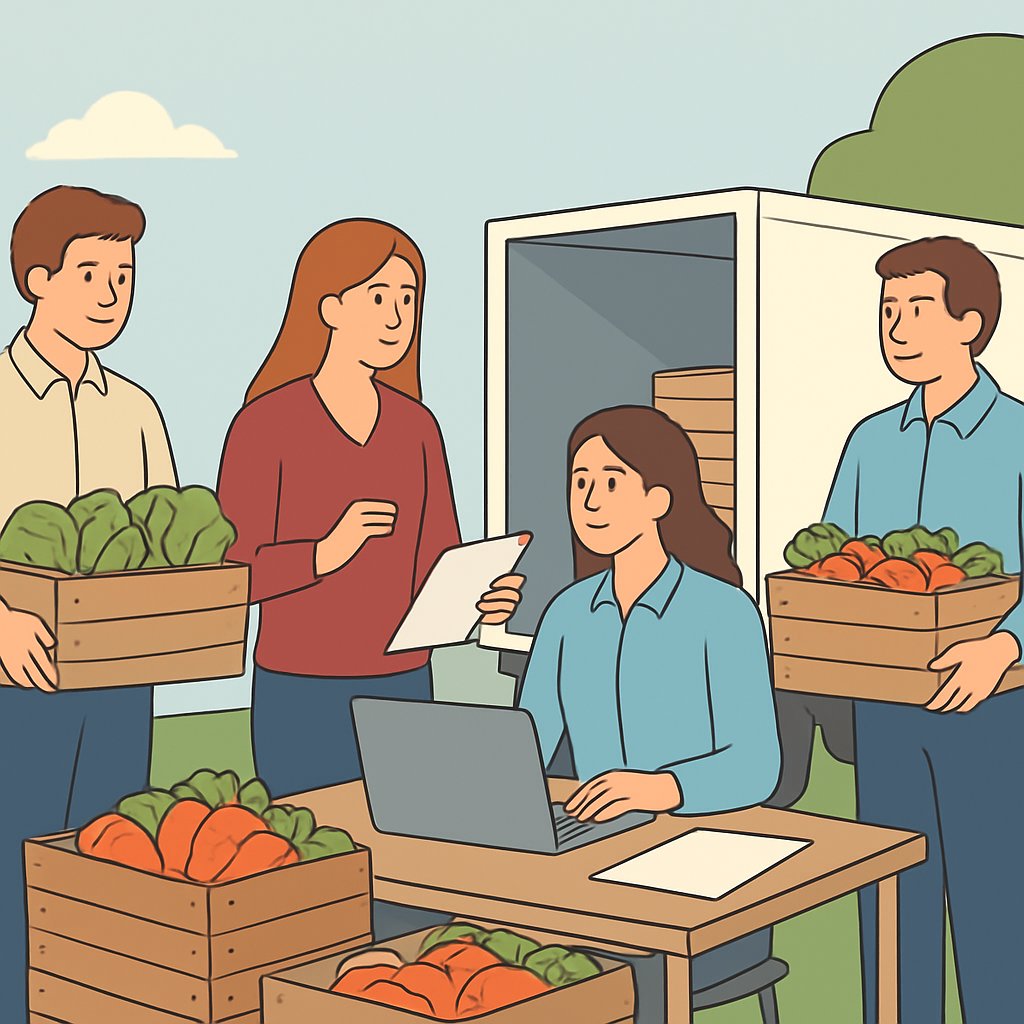
Innovative Technologies Supporting Food Waste Reduction on Farms
This article highlights technologies that help reduce food waste on farms.
Additionally, it examines tools that improve decision making and waste processing.
Ultimately, farmers can adopt several practical approaches described below.
Data Analytics for Better Decision-Making
Farmers use data analytics to track crop yields effectively.
This technology allows for precise forecasting of produce volumes.
With better insights, farmers can adjust planting and harvesting schedules.
Consequently, this reduces surplus produce that might otherwise go to waste.
Composting and Organic Matter Management
Composting technologies convert farm waste into valuable organic matter.
Farmers can use compost to enrich the soil naturally.
This process minimizes food waste while enhancing soil fertility.
On-Farm Apps and Mobile Platforms
Mobile applications help farmers manage crop lifecycles efficiently.
Farmers can receive real-time alerts about market demands.
These apps also provide guidance on storage and preservation methods.
As a result, farmers can reduce the waste of excess inventory.
Precision Agriculture Tools
Precision agriculture employs drones and sensors to monitor crop health.
Using this technology, farmers can detect diseases early.
Thus, they can take action before crops become unsalvageable.
Collaboration with Tech Startups
Partnerships with startups facilitate innovation in waste processing.
Many startups develop solutions tailored specifically for agriculture.
This collaboration drives the creation of more effective waste management systems.
Explore Further: Food Waste Reduction Impact on Small Farm Profitability
Government Policies and Funding Opportunities for Community Partnerships
Several policies shape food waste reduction efforts nationwide.
Various funding sources exist to support community partnerships.
Case studies illustrate effective government and community collaborations.
Importance of Government Support
Government support is crucial for driving on-farm food waste solutions.
These policies create a framework for sustainable agricultural practices.
Additionally, they promote collaboration between farmers and communities.
Key Policies Impacting Food Waste Management
The Food Recovery Act encourages food donation and reduction initiatives.
This legislation sets standards for diverting food waste from landfills.
Furthermore, the Farm Bill allocates funding for sustainability projects.
Funding Opportunities Available
The USDA offers grants for innovative food waste solutions.
Similarly, local government initiatives provide financial assistance.
Non-profit organizations also contribute funding for specific projects.
Building Effective Partnerships
Successful partnerships enhance the impact of government policies.
Collaboration between farmers and local organizations fosters innovation.
Showcase Your Farming Business
Publish your professional farming services profile on our blog for a one-time fee of $200 and reach a dedicated audience of farmers and agribusiness owners.
Publish Your ProfilePartnerships also help in identifying regional food waste challenges.
Success Stories and Case Studies
For example, the “Food Waste Diversion Initiative” in California shows success.
This program integrates local producers with food recovery organizations.
Moreover, similar projects in New York demonstrate promising outcomes.
These examples inspire other regions to adopt comparable strategies.
Measuring and Evaluating the Success of Food Waste Interventions
Effective measurement is essential to understanding food waste interventions.
Moreover, it allows stakeholders to track progress and outcomes.
Also, measuring success helps identify areas for improvement.
Importance of Measurement
Measurement supports informed decisions about intervention priorities.
It clarifies which activities produce measurable benefits.
Consequently, teams can allocate resources more effectively.
Key Performance Indicators
Establishing key performance indicators is crucial.
These metrics provide a framework for evaluating interventions.
They help stakeholders set clear measurement targets.
- Reduction in the volume of food waste generated.
- Increased food recovery rates across farms.
- Enhancements in farmers’ economic savings.
- Improvements in community engagement and awareness.
Data Collection Methods
Utilizing effective data collection methods enhances accuracy.
Farmers can implement various techniques for gathering data.
In addition, technology such as smart sensors can aid collection.
- Surveys of on-farm waste management practices.
- Regular audits of waste disposal methods.
- Collaboration with local universities for research support.
- Incorporating technology, such as smart sensors.
Analyzing the Results
Analysis of gathered data reveals trends and insights.
Stakeholders can use statistical analysis to interpret results.
Those insights then inform decision making and future strategies.
Case Studies
Successful case studies provide real-world examples.
One example is the partnership between Green Valley Farm and local food banks.
This collaboration significantly reduced food waste while supporting communities.
Riverbend Farms achieved sustainability goals through the use of technology.
Continuous Improvement
Continuous improvement is vital for long-term success.
Regular reviews of intervention strategies help refine processes.
Engaging with participants allows for valuable feedback.
Ultimately, adaptability enhances effectiveness of waste reduction efforts.